
Cognitive Behavioral Therapy (CBT) Treatment Centers
Cognitive Behavioral Therapy (CBT) is an evidence-based treatment that helps individuals identify and change negative thought patterns and behaviors related to substance use.
Found 186 treatment centers offering cognitive behavioral therapy (cbt) across Massachusetts.
Last reviewed: March 27, 2026
Want us to find the perfect facility for you?
Call now - it's completely free!
Showing 20 of 186 cognitive behavioral therapy (cbt) treatment centers
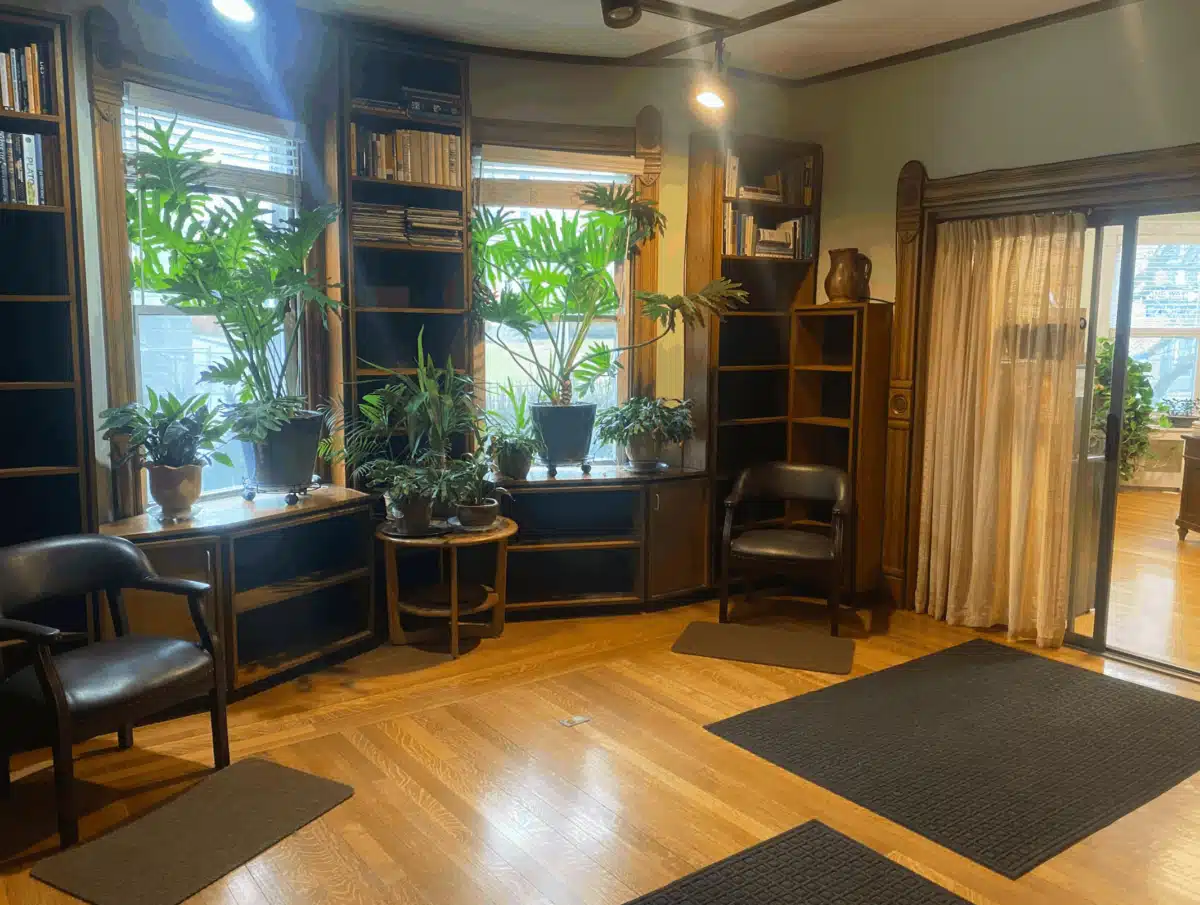
Middlesex Recovery PC, located in Stoughton, MA, provides specialized outpatient treatment programs aimed at addressing substance use concerns for both adults and young adults. The center employs a variety of evidence-based treatments, which include cognitive behavioral therapy, motivational interviewing, and counseling for substance use disorders. Prioritizing individualized care, Middlesex Recovery PC ensures that each client receives focused and personal attention tailored to their unique situation. Additionally, they offer outpatient options involving methadone, buprenorphine, and naltrexone to meet the varying needs of their clients. The facility is open to both men and women who are in search of effective and understanding support for their addiction recovery journeys. Middlesex Recovery PC is noteworthy for its dedication to delivering quality care and a comprehensive support system designed to assist individuals as they work toward recovery.
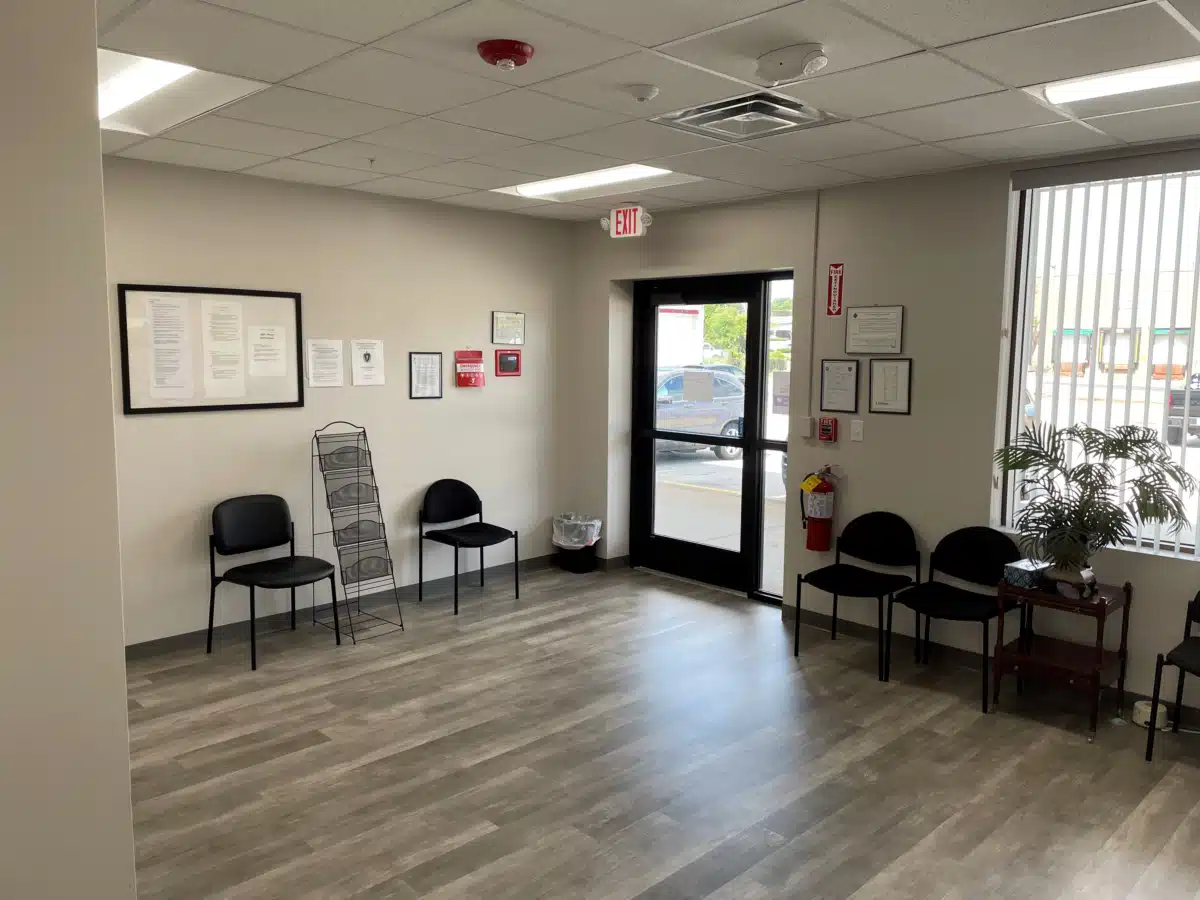
Old Colony Comprehensive Counseling, located in Brockton, MA, provides outpatient services for substance use treatment, as well as specialized support for those facing both substance use challenges and serious mental health issues or emotional disturbances. The facility employs evidence-based methodologies, including anger management, cognitive behavioral therapy, and motivational interviewing, to create personalized treatment plans that cater to the unique needs of each individual. Serving a diverse population of adults and seniors across all genders, Old Colony Comprehensive Counseling is recognized for its extensive and empathetic care approach. The center prioritizes quality and individualized attention, making it a reliable choice for individuals in the Brockton area who are in search of effective rehabilitation services.
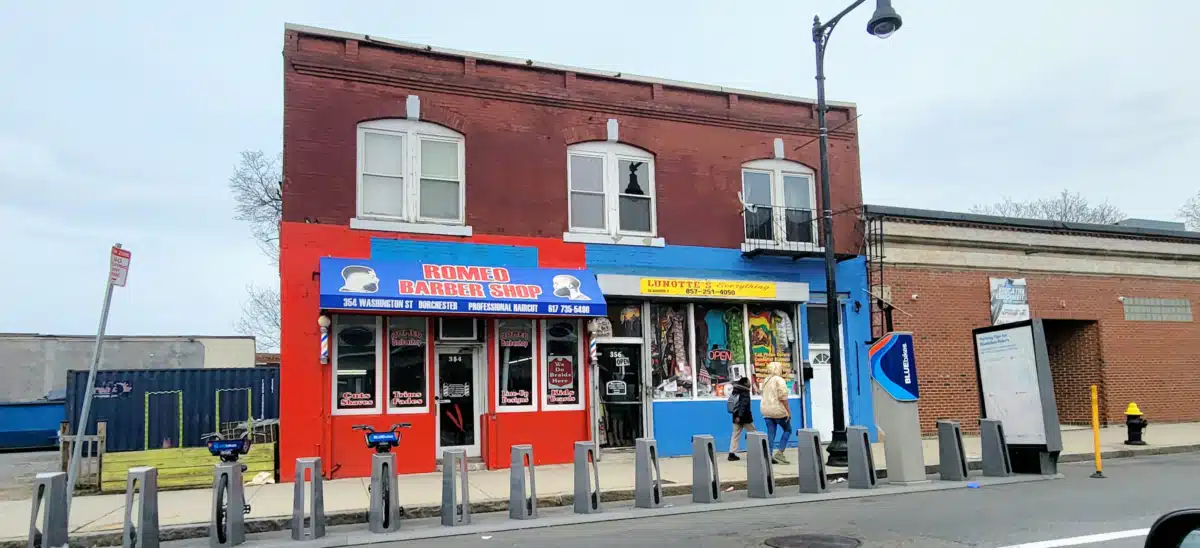
Out for Good Inc, situated in Dorchester Center, MA, provides outpatient treatment services for those grappling with substance use, catering to both adults and adolescents. The facility is equipped with a focus on various therapeutic methods, including anger management, brief intervention, and cognitive behavioral therapy. Out for Good Inc has developed specific programs aimed at adult men, adult women, and individuals impacted by intimate partner violence, creating a safe space conducive to healing. Their holistic approach ensures personalized care for both male and female clients, emphasizing the distinct needs of each individual. For anyone looking for addiction treatment that prioritizes specialized programs and evidence-based methodologies, this facility is committed to supporting individuals on their journey toward recovery.
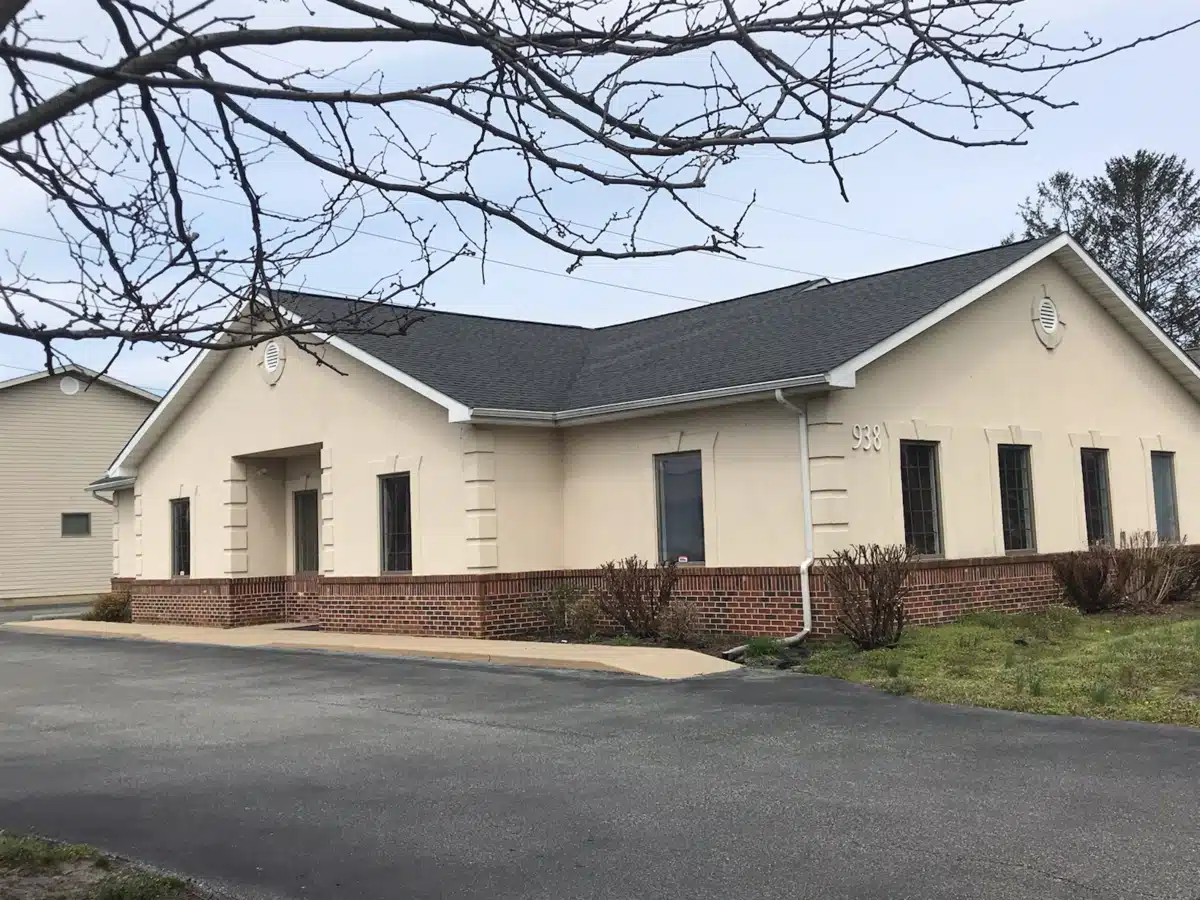
SaVida Health, located in Worcester, MA, specializes in outpatient treatment for substance use disorders, emphasizing high-quality care and effective treatment methodologies. The facility offers various services, including outpatient options featuring methadone, buprenorphine, or naltrexone therapies, along with standard outpatient treatment. They also provide specialized programs tailored for adult men and women, as well as those who have faced trauma. In addition to these services, SaVida Health includes offerings such as anger management, brief interventions, and cognitive behavioral therapy to support clients on their journey to recovery. This center is committed to serving adults and young adults of all genders, fostering a comprehensive and personalized approach to each individual's recovery process. For those in search of evidence-based treatment within a nurturing environment, SaVida Health focuses on helping clients attain sustained sobriety.
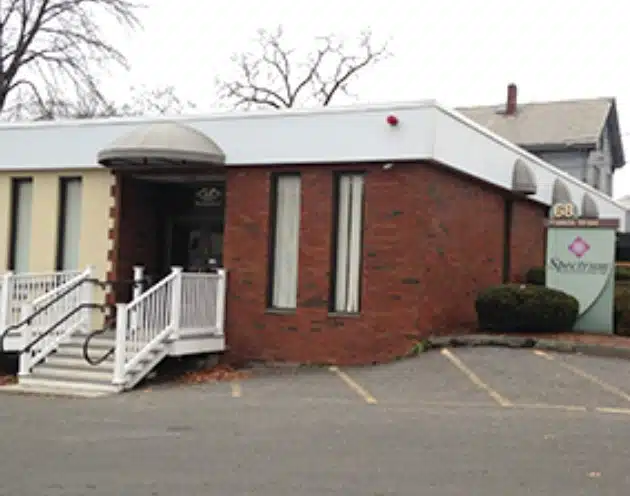
Spectrum Health Systems Inc, located in Worcester, MA, provides a wide range of substance use treatment options for both adults and children facing co-occurring mental health challenges. The facility offers outpatient care that includes methadone and buprenorphine treatments, as well as cognitive behavioral therapy. To meet the diverse needs of its clients, Spectrum Health has developed specialized programs specifically designed for active duty military personnel, adolescents, and adult men. The clinic employs various tailored approaches, such as anger management and brief interventions, to ensure that each individual receives the personalized care they require. Spectrum Health Systems Inc welcomes both male and female clients and is committed to offering effective, evidence-based treatment aimed at fostering recovery and promoting overall well-being.
Situated in Jamaica Plain, Massachusetts, Victory Programs Inc provides an extensive range of services for individuals facing substance use challenges, particularly through its long-term residential program. The facility features various housing options including transitional housing, a halfway house, and sober living arrangements for both men and women, with specific support for those who have encountered domestic violence. The center emphasizes a diverse approach to treatment that includes 12-step facilitation, anger management, and cognitive behavioral therapy, accommodating adults and young adults of all genders. Victory Programs Inc is notable for its tailored programs designed to meet the distinct needs of its clients, aiming to deliver effective care and encouragement during their recovery process.
Victory Programs Inc, situated in Boston, MA, provides a long-term residential treatment option for adult males struggling with substance use in a secure and nurturing setting. This facility places an emphasis on transitional housing and sober living for those who have encountered intimate partner violence, domestic violence, or sexual abuse. The program utilizes various therapeutic approaches, including 12-step facilitation, anger management, and cognitive behavioral therapy, to effectively meet the distinct needs of each individual. Victory Programs Inc serves a diverse clientele, including adults, seniors, and young adults, while focusing on personalized care specifically designed for male participants. With a strong dedication to delivering specialized services, this facility offers a thorough rehabilitation program aimed at fostering recovery and healing.
Victory Programs Inc, located in Dorchester, MA, focuses on delivering specialized treatment for substance use and transitional housing specifically for women ages 18 and older. The organization provides long-term residential support that emphasizes a variety of therapeutic techniques, including 12-step facilitation, anger management, and cognitive behavioral therapy. The facility addresses the needs of clients who have faced challenges such as intimate partner violence, domestic violence, and sexual abuse. Through its tailored programs, the facility serves a diverse age range of women, from young adults to seniors. Known for its dedication to providing quality care and personalized treatment strategies, Victory Programs Inc serves as a vital resource for women on their journey to recovery and emotional well-being.
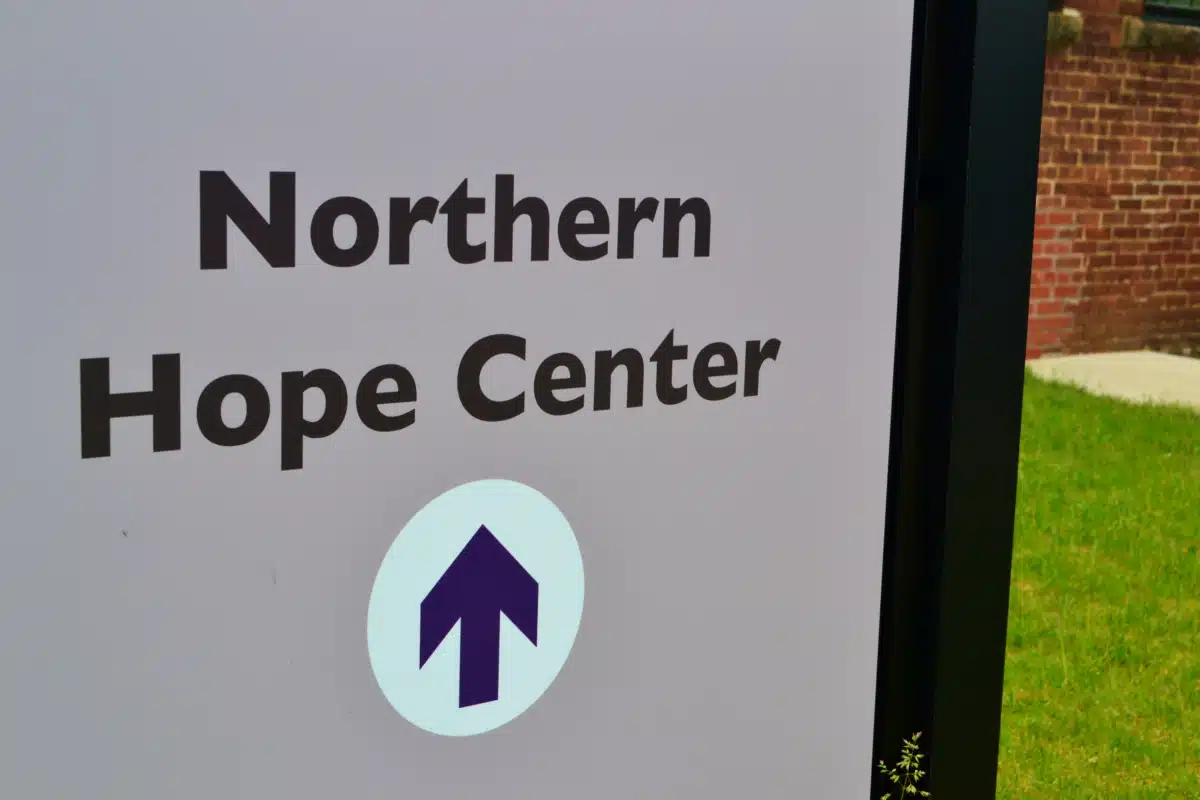
Behavioral Health Network (BHN) is situated in Greenfield, MA, and provides an extensive array of services designed for addiction treatment. The center offers detoxification and substance use treatment, along with specialized support aimed at individuals who are facing both substance use and mental health challenges. BHN offers various treatment formats, including long-term residential care, outpatient services, and options using methadone or buprenorphine, customizing its programs to address the unique needs of each client. The center employs several therapeutic approaches, including 12-step facilitation, anger management, and cognitive-behavioral therapy, fostering a comprehensive treatment environment. BHN has tailored programs designed for adult men, adult women, and members of the LGBTQ community. It serves a broad demographic that includes adults, seniors, and young adults of all genders, focusing on providing individualized care to support each person's journey toward recovery.

Catholic Charities, situated in Leominster, MA, provides long-term residential treatment that emphasizes support for individuals facing challenges related to substance use, as well as those in need of transitional housing. The facility is equipped to address the needs of those who are dealing with co-occurring substance use disorders and serious mental health issues. With therapeutic approaches that include 12-step facilitation, anger management, and cognitive behavioral therapy, the center specializes in supporting adult women who have encountered intimate partner violence, domestic violence, or sexual abuse. The program is designed to cultivate a safe and supportive atmosphere, catering to adults, seniors, and young adults. By focusing exclusively on female clients, Catholic Charities offers a holistic approach to both recovery and emotional healing, ensuring that each individual receives the specialized care they require during their treatment journey.
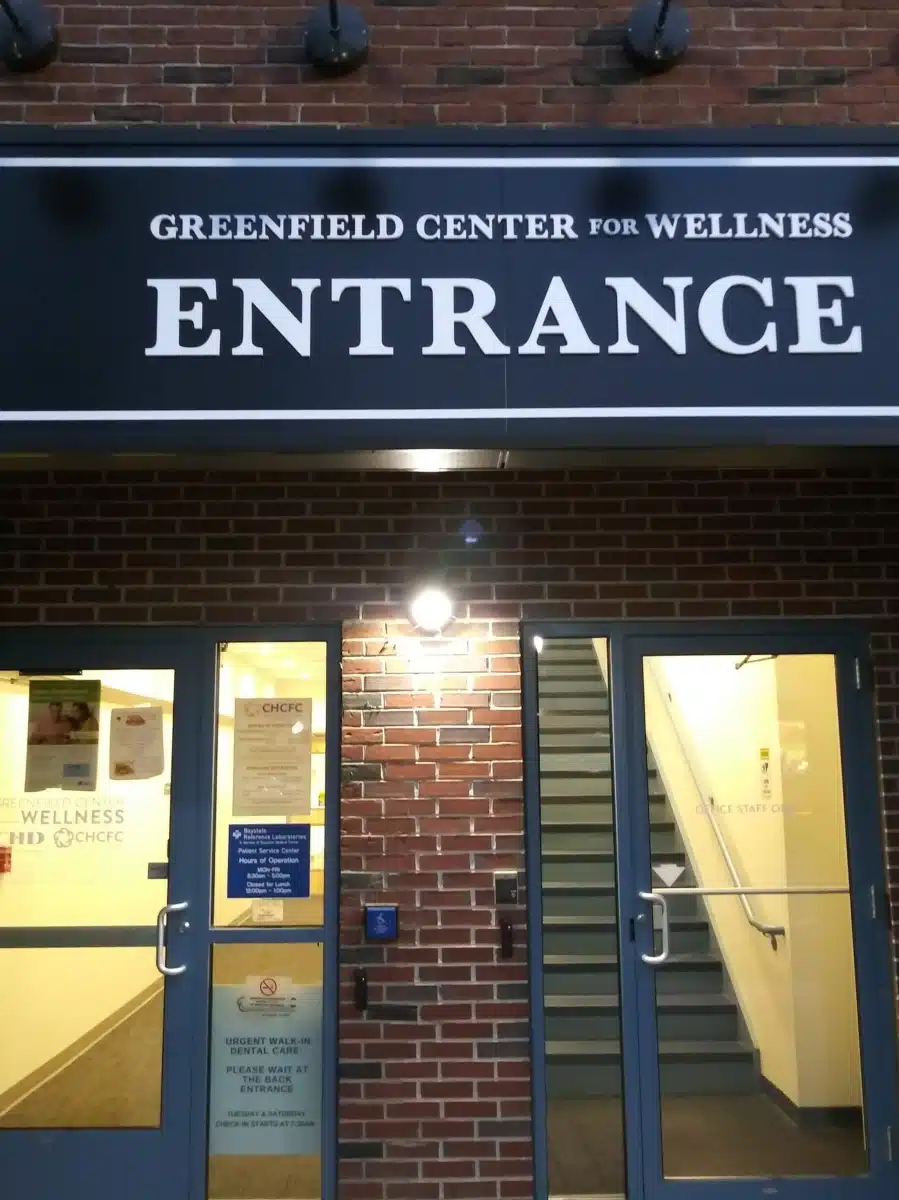
CHD, located in Greenfield, MA, provides specialized outpatient services for adults and children/adolescents dealing with substance use and co-occurring disorders. The facility employs a variety of evidence-based methods, including cognitive behavioral therapy and anger management, to address the unique needs of its clients. Both male and female individuals can access these services, and the center has specific programs designed for pregnant or postpartum women, as well as clients involved with the criminal justice system. Among the treatments offered at CHD are outpatient options for methadone, buprenorphine, or naltrexone, in addition to regular outpatient care. With a strong commitment to quality and individualized treatment plans, CHD serves as a reliable resource for those seeking rehabilitation services within the Greenfield community.

Hope House Inc, located in Roxbury, MA, provides an extensive array of long-term residential treatment programs aimed at adult men facing challenges related to substance use disorders, as well as co-occurring serious mental health conditions. The facility is dedicated to creating a nurturing atmosphere for individuals who have encountered intimate partner violence, domestic violence, or sexual abuse. By employing methods such as 12-step facilitation, anger management techniques, and cognitive behavioral therapy, Hope House Inc emphasizes personalized care to support lasting recovery. Additionally, the center offers transitional housing options, making it accessible for adults, seniors, and young adults who are in need of a gender-specific program that addresses the particular requirements of male clients.
Hope House Inc, located in Roxbury, MA, provides targeted support for adult men facing the challenges of substance use alongside serious mental health disorders. The facility offers a range of treatment options, including intensive outpatient, outpatient, and regular outpatient programs. These therapeutic interventions incorporate various methodologies, such as anger management, cognitive behavioral therapy, and brief intervention techniques. Additionally, Hope House features specialized programs designed for individuals who have endured experiences related to intimate partner violence, domestic violence, or sexual abuse. The center's commitment is to serve adult, senior, and young adult males, ensuring that care and support are customized to meet the unique needs of each client within a safe and compassionate setting.
The Institute for Health and Recovery Inc, situated in Watertown, MA, provides outpatient treatment for substance use, catering to both adults and children who are experiencing co-occurring serious mental health disorders. The facility emphasizes brief intervention, cognitive behavioral therapy, and motivational interviewing, offering regular outpatient programs designed to address the unique needs of each individual. In particular, the center focuses on providing support for adolescents, pregnant and postpartum women, as well as young adults, ensuring that both males and females receive appropriate gender-specific care. The commitment to delivering quality services and a comprehensive treatment approach makes this facility a notable option for those in need of compassionate addiction support.
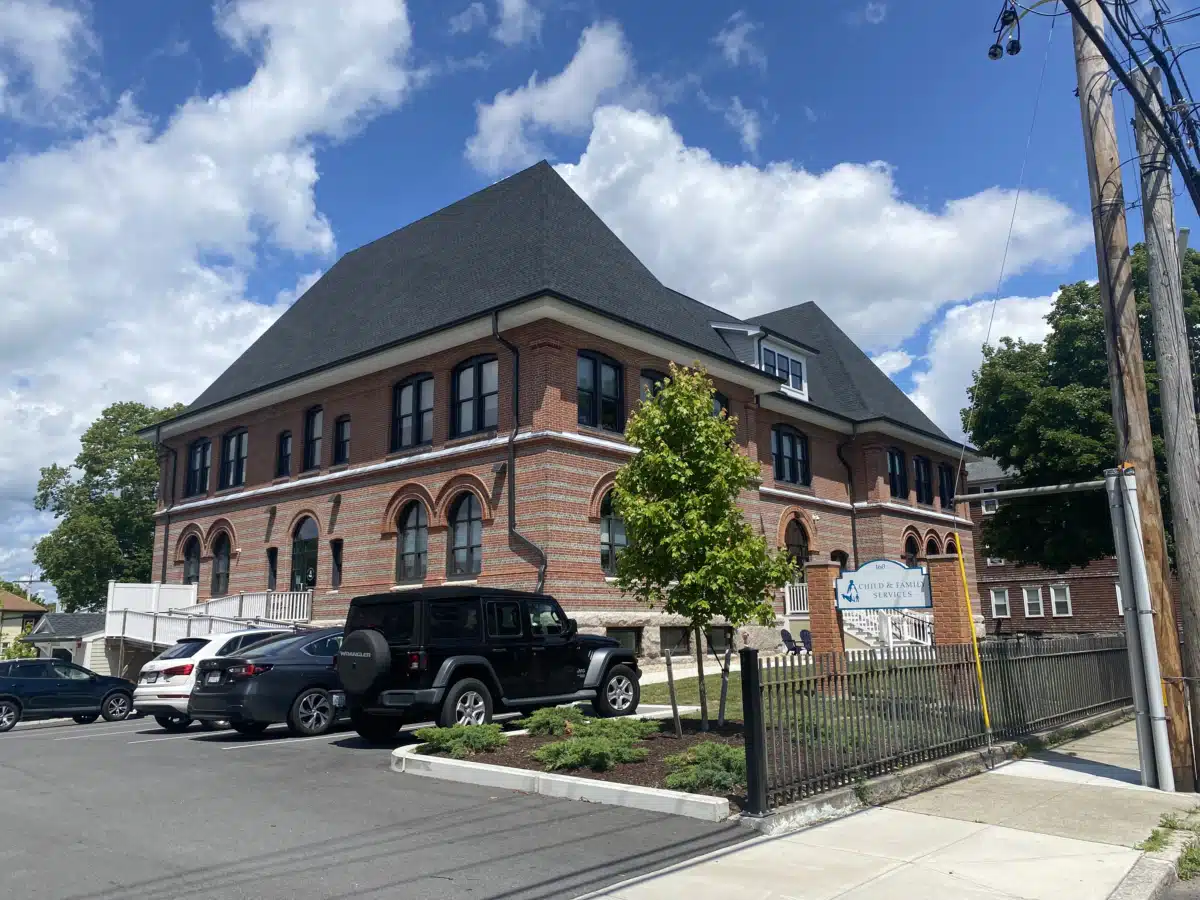
Situated in Fall River, MA, the Mental Health Clinic provides targeted outpatient services for both substance use and co-occurring disorders affecting adults and children. The clinic utilizes a range of therapeutic approaches, including cognitive behavioral therapy, motivational interviewing, and strategies for relapse prevention. Emphasizing trauma-informed care, the facility serves adults and seniors across all genders, tailoring its programs to address the specific challenges faced by clients struggling with addiction and mental health concerns. The Mental Health Clinic is committed to delivering evidence-based care, supporting individuals as they navigate their path to recovery.
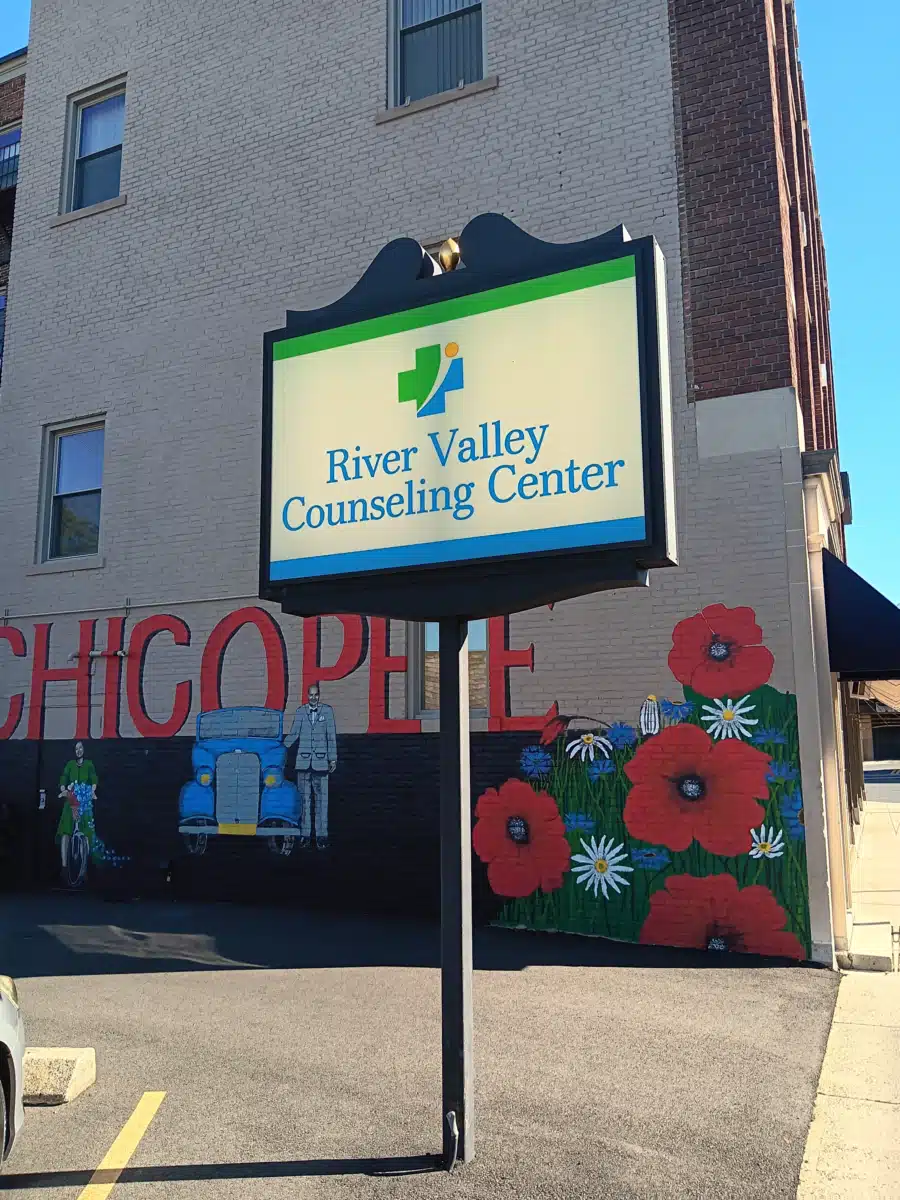
River Valley Counseling Center, located in Holyoke, MA, provides a wide range of outpatient services aimed at addressing substance use issues alongside co-occurring mental health disorders for both adults and children. The center has developed expertise in areas such as anger management, brief interventions, and cognitive behavioral therapy. It features specialized programs tailored for adolescents, individuals experiencing pain in conjunction with substance use disorders, and young adults. Emphasizing personalized care, the facility accommodates clients of all ages and genders. River Valley Counseling Center strives to create a supportive atmosphere for individuals in pursuit of effective, evidence-supported rehabilitation services within the Holyoke region.
River Valley Counseling Center, located in Westfield, MA, provides outpatient services for individuals, including both adults and children, who are facing substance use issues in conjunction with significant mental health conditions or emotional challenges. The center emphasizes various therapeutic approaches, including anger management, brief interventions, and cognitive behavioral therapy, to support clients who are navigating co-occurring pain and substance use disorders. With specialized programs designed specifically for adolescents and young adults, River Valley Counseling Center serves both male and female clients who are looking for thorough and thoughtful rehabilitation care. Their commitment to individualized treatment and comprehensive support distinguishes this facility in the realm of mental health and substance use recovery.

ROOTS at Evergreen Grove, located in Gardner, MA, provides outpatient treatment specifically for substance use challenges faced by both adults and children dealing with co-occurring mental health issues. The facility employs a variety of therapeutic approaches, including anger management techniques, cognitive behavioral therapy, and brief intervention strategies, to cater to the diverse needs of its patients. Special programs are available for LGBTQ individuals, adolescents, as well as those navigating both substance use and mental health disorders. ROOTS at Evergreen Grove is dedicated to offering supportive services for both male and female individuals of all ages, including young adults, thereby ensuring that anyone seeking rehabilitation can find effective care within a welcoming and inclusive atmosphere.
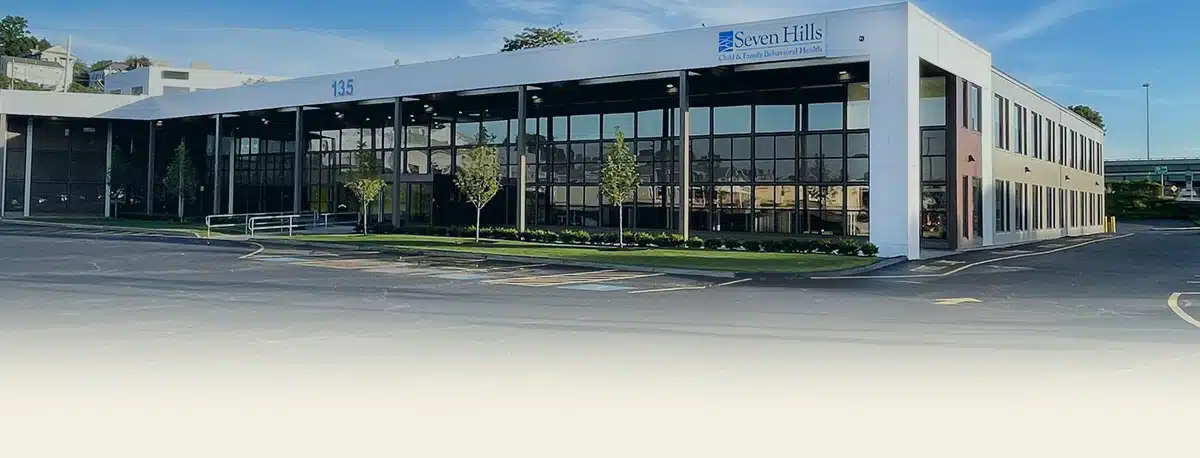
Seven Hills Behavioral Health, located in Milford, MA, provides outpatient treatment specifically designed for adults facing substance use and co-occurring mental health challenges, as well as for children dealing with emotional disturbances. The treatment methods used include anger management, brief interventions, and cognitive behavioral therapy. This facility also offers specialized programs tailored for adolescents, survivors of intimate partner violence, those affected by domestic violence, and individuals who have experienced sexual abuse. Their services are inclusive, addressing the needs of both adults and children/adolescents across all gender identities. The center prioritizes a comprehensive and individualized approach to care, making it a suitable option for individuals seeking rehabilitation services in the Milford region.

Situated in Framingham, MA, SMOC Behavioral Healthcare provides targeted substance use treatment within a nurturing setting. The facility focuses on long-term and around-the-clock residential programs designed for both adults and young adults. It employs various therapeutic techniques, including 12-step facilitation, brief intervention, and cognitive behavioral therapy, addressing the needs of adult men, women, and individuals who are pregnant or in the postpartum period. By prioritizing individualized care, SMOC Behavioral Healthcare aims to deliver effective treatment tailored for each client, whether male or female. For those seeking a comprehensive approach to addiction recovery, this center offers a range of specialized programs that may support their healing process.
About Cognitive Behavioral Therapy (CBT)
Cognitive Behavioral Therapy (CBT) is one of the most extensively researched and widely practiced forms of psychotherapy in addiction treatment. Developed by Dr. Aaron Beck in the 1960s, CBT is based on the principle that our thoughts, feelings, and behaviors are interconnected — and that by changing maladaptive thought patterns, we can change the behaviors that follow. The National Institute on Drug Abuse recognizes CBT as an evidence-based treatment for substance use disorders, and it is a core component of most addiction treatment programs in Massachusetts.
What Is CBT?
CBT is a structured, goal-oriented form of psychotherapy that focuses on identifying and modifying negative thought patterns and beliefs that contribute to problematic behaviors. Unlike psychoanalytic therapy that explores the distant past, CBT focuses on present-day thinking and practical skill-building.
Core principles of CBT include:
- Cognitive restructuring: Identifying distorted thoughts (e.g., "I can't cope without alcohol") and replacing them with more accurate, balanced thinking
- Behavioral activation: Gradually increasing engagement in positive activities that reinforce recovery
- Skill building: Developing practical coping strategies for managing triggers, cravings, and high-risk situations
- Collaborative empiricism: Therapist and client work together as a team, testing beliefs and assumptions through real-world experiments
- Homework and practice: Skills learned in sessions are practiced between appointments, building lasting change
How CBT Works in Addiction Treatment
In addiction treatment, CBT helps individuals understand the connection between their thoughts, emotions, and substance use. The therapy follows a structured progression:
Functional Analysis
The therapist and client work together to identify the specific triggers, thoughts, and circumstances that lead to substance use. This analysis maps out the chain of events — what happened before, during, and after using — creating a detailed understanding of the individual's unique use patterns.
Identifying Cognitive Distortions
Common cognitive distortions in addiction include:
- All-or-nothing thinking: "I slipped once, so my recovery is ruined"
- Minimization: "My drinking isn't that bad compared to other people"
- Catastrophizing: "If I don't use, I won't be able to handle the stress"
- Permission-giving: "I've been sober for a month, I deserve a drink"
- Selective attention: Focusing on the positive effects of substance use while ignoring the negative consequences
Skills Training
CBT equips individuals with practical skills:
- Craving management: Techniques like urge surfing, distraction, and delay strategies
- Refusal skills: Practicing how to say no in social situations involving substances
- Problem-solving: Systematic approaches to addressing life challenges without turning to substances
- Stress management: Relaxation techniques, time management, and healthy coping alternatives
- Relapse prevention: Identifying warning signs and developing action plans for high-risk situations
CBT for Different Substances
CBT is effective across all substance use disorders, though the focus may shift depending on the substance:
- Alcohol: Focus on identifying social triggers, managing high-risk situations (parties, restaurants), and developing alternative stress relief
- Opioids: Addressing pain catastrophizing, developing non-pharmacological pain management, working alongside MAT
- Stimulants: CBT is a primary treatment given the lack of FDA-approved medications; focus on managing anhedonia and developing reward alternatives
- Marijuana: Addressing minimization of consequences and building motivation for change
- Gambling: Targeting cognitive distortions specific to gambling (illusion of control, gambler's fallacy)
What to Expect in CBT Sessions
CBT for addiction typically involves 12-16 individual sessions, often supplemented by group CBT. Sessions are structured and collaborative:
- Session structure: Each session follows an agenda — reviewing homework, discussing current challenges, learning new skills, and assigning practice exercises
- Duration: Sessions typically last 50-60 minutes, held weekly or more frequently in intensive programs
- Active participation: CBT requires active engagement — you'll practice skills in session and complete exercises between appointments
- Measurable progress: Therapists use validated scales to track symptom improvement and skill development
- Time-limited: CBT is designed to be effective within a defined timeframe, teaching skills for independent maintenance
CBT is available at all levels of care in Massachusetts — from residential treatment to intensive outpatient and standard outpatient programs. It can be delivered individually, in groups, or as part of comprehensive treatment plans alongside other therapies.
Research and Effectiveness
CBT has one of the strongest evidence bases of any psychotherapy for addiction treatment:
- Meta-analyses consistently show CBT reduces substance use and improves treatment outcomes across substance types
- Effects are durable — research shows CBT benefits persist even after treatment ends, unlike some other approaches that lose effectiveness after discontinuation
- CBT combined with medication-assisted treatment produces the strongest outcomes for opioid and alcohol use disorders
- Computer-based CBT programs have shown effectiveness for increasing access in underserved areas
- CBT is equally effective for co-occurring mental health and substance use disorders
Frequently Asked Questions
How is CBT different from other therapies?
Unlike psychodynamic therapy (which explores the unconscious and childhood), CBT focuses on present-day thoughts and practical skill-building. Unlike DBT (which emphasizes emotional regulation and acceptance), CBT focuses more on cognitive change. CBT is also more structured and time-limited than many other therapeutic approaches.
How long does it take for CBT to work?
Most people begin noticing improvements within 4-8 sessions, with full treatment typically lasting 12-16 sessions. Some individuals benefit from longer-term CBT, especially when addressing co-occurring depression or anxiety.
Can CBT be combined with other treatments?
Absolutely. CBT is frequently combined with MAT, 12-step programs, group therapy, and mindfulness-based approaches. Research shows these combinations often produce better outcomes than any single approach alone.
Is CBT effective for people who have relapsed?
Yes. CBT is particularly valuable after relapse because it helps individuals analyze what went wrong, identify the cognitive and behavioral patterns that contributed, and strengthen their coping strategies. Each treatment episode builds on previous learning.
Does insurance cover CBT for addiction?
Yes. As an evidence-based treatment for substance use disorders, CBT is covered by MassHealth and most commercial insurance plans under Massachusetts mental health parity laws.
For more information about CBT and addiction treatment:
- NIDA — Behavioral Therapies for Drug Addiction
- American Psychological Association — CBT
- SAMHSA National Helpline — 1-800-662-4357
Find treatment centers offering CBT in Massachusetts through our directory, or call the Massachusetts Substance Use Helpline at 1-800-327-5050 for referrals.