
Stimulant Addiction Rehab Centers
Stimulant addiction treatment focuses on behavioral therapies and support for recovery from cocaine, methamphetamine, and other stimulant substances.
Found 331 rehab centers specializing in stimulant addiction across Massachusetts.
Last reviewed: March 27, 2026
Want us to find the perfect facility for you?
Call now - it's completely free!
Showing 20 of 331 stimulant addiction rehab centers
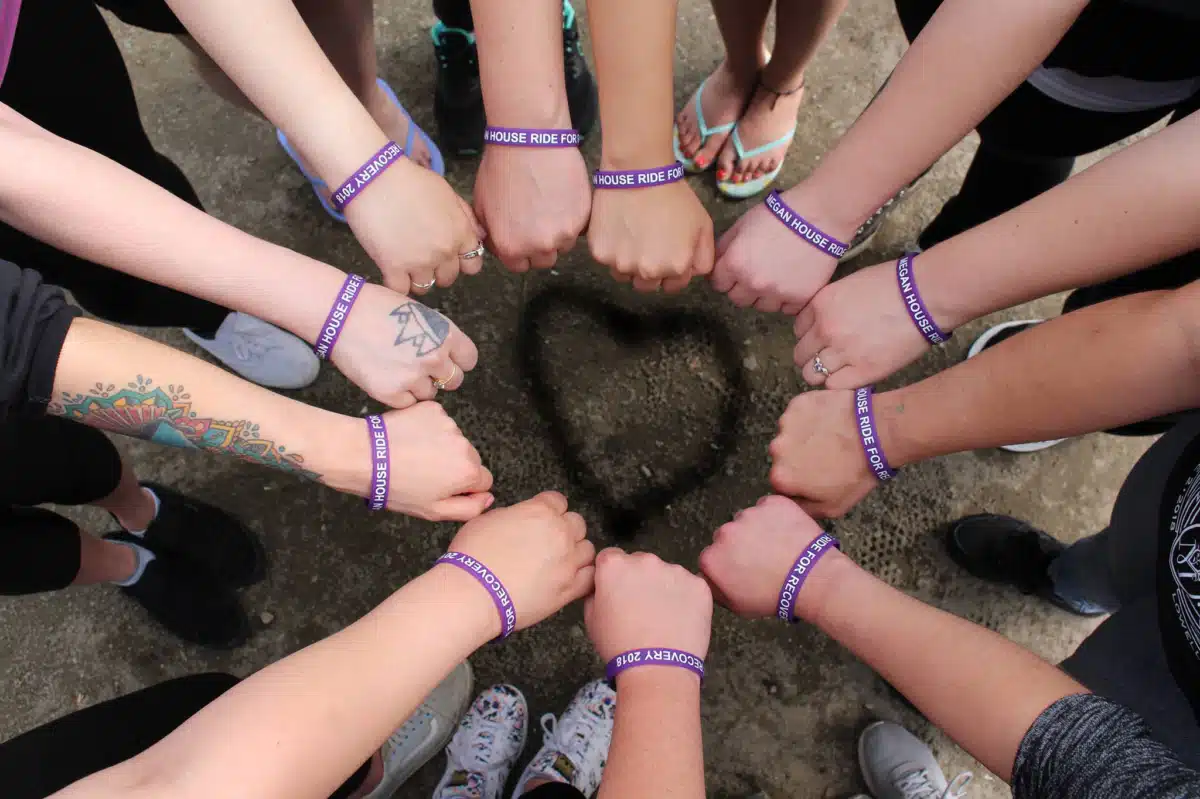
Megans House, situated in Lowell, Massachusetts, provides extensive long-term residential treatment for adult women dealing with substance use issues. The facility is particularly focused on addressing co-occurring substance use disorders, especially in conjunction with serious emotional difficulties stemming from trauma, intimate partner violence, domestic violence, and sexual abuse. Emphasizing a range of therapeutic approaches such as 12-step facilitation, anger management, and cognitive behavioral therapy, Megans House fosters a nurturing environment that supports women in their healing and recovery journeys. Catering to a diverse population that includes adults, seniors, and young adults, the center is dedicated to delivering high-quality care and individualized programs designed to meet the specific needs of those facing challenges related to addiction and mental health.
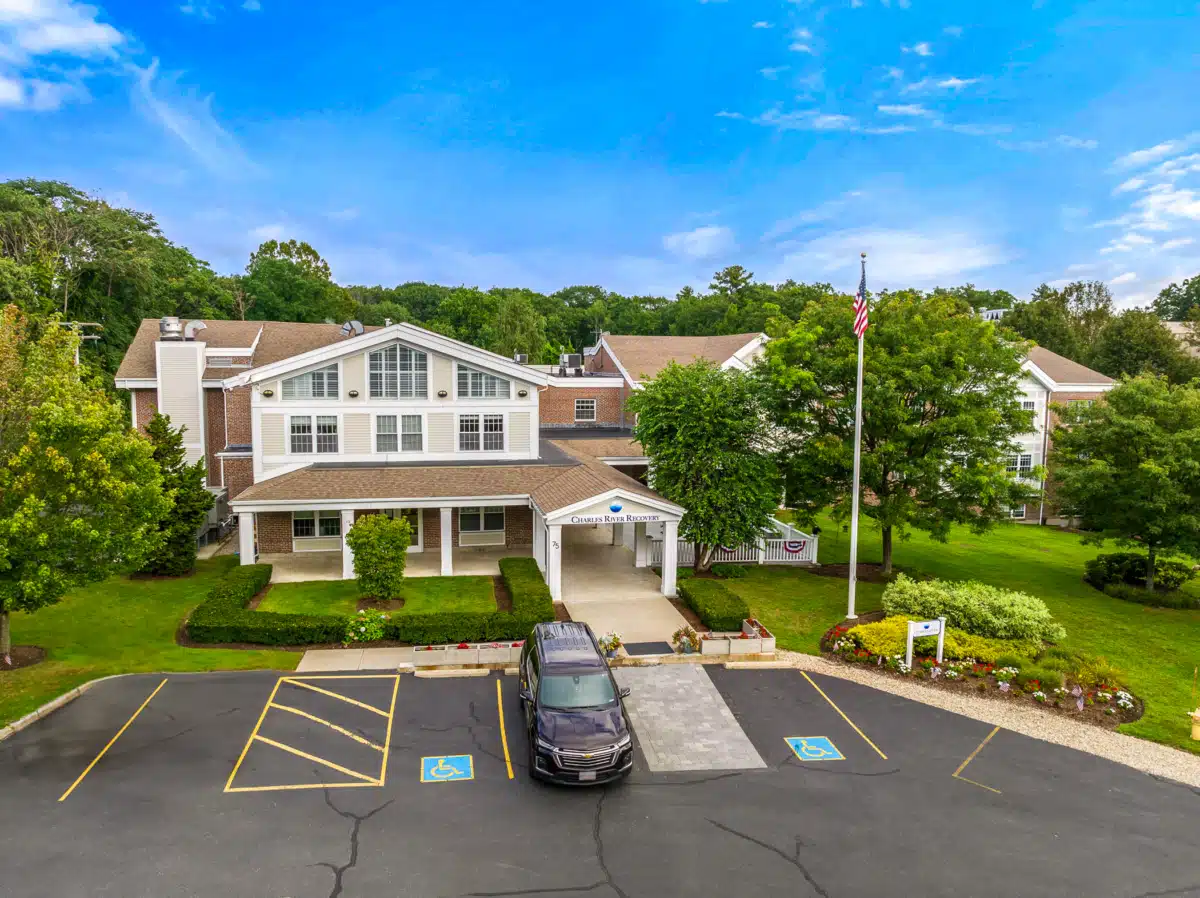
Charles River Recovery LLC, situated in Weston, Massachusetts, provides a range of substance use treatment options, including detoxification services. The facility offers hospital inpatient detoxification and treatment, featuring specialized programs designed for adult men, women, and active duty military members. Employing methodologies such as 12-step facilitation and anger management, this center serves both adults and young adults, regardless of gender. With an emphasis on delivering quality care and personalized treatment plans, Charles River Recovery LLC is committed to supporting individuals as they navigate their recovery journey.
Lake Avenue Recovery LLC, located in Worcester, MA, provides a wide range of substance use treatment options aimed at both adults and young adults. The facility features intensive outpatient, outpatient, and day treatment programs that utilize various approaches, including 12-step facilitation, anger management techniques, and brief intervention strategies. Specializing in the treatment of individuals dealing with trauma, co-occurring mental health and substance use disorders, as well as pain-related substance use issues, the center offers customized care designed to meet the unique needs of each client. With services available for both men and women, Lake Avenue Recovery LLC is committed to delivering personalized treatment that fosters sustainable recovery and supports individuals on their journey toward achieving their recovery goals.
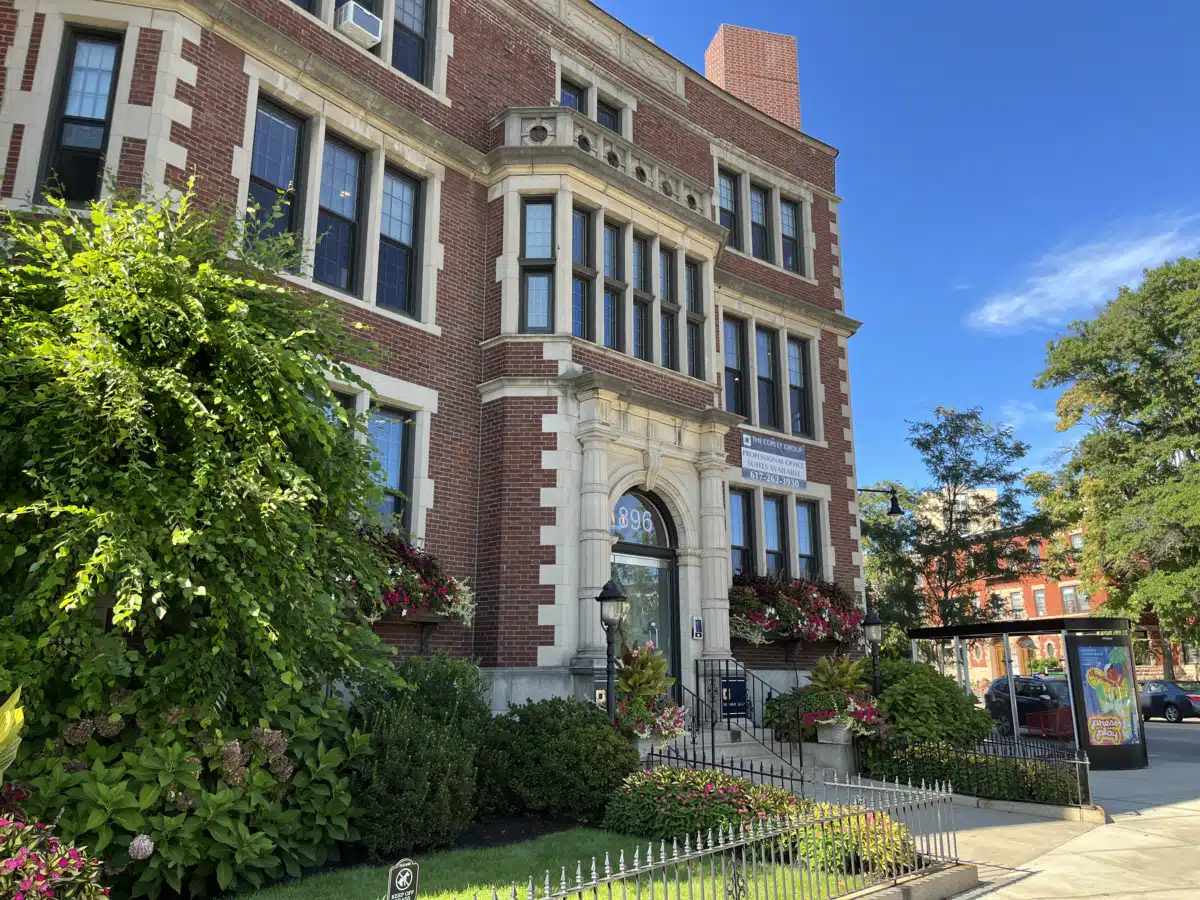
Providence Treatment, located in Boston, MA, provides various substance use treatment programs specially designed for both adults and young adults. The facility offers intensive outpatient treatment, outpatient programs, and day treatment options, all tailored to meet the unique needs of each individual. Their approach incorporates evidence-based practices such as 12-step facilitation, brief intervention, and cognitive behavioral therapy to promote effective recovery outcomes. The center also features specialized programs that cater to adult men, adult women, and clients who have experienced sexual abuse, ensuring comprehensive support that addresses the distinct challenges faced by each group. By focusing on the needs of both male and female clients, Providence Treatment aims to create a nurturing environment that facilitates the journey toward healing and recovery from addiction.

Recovery Centers of America, situated in Westminster, MA, provides a range of services aimed at addressing addiction. The facility places an emphasis on detoxification procedures and offers residential support along with 24-hour care to ensure continuous assistance. A significant component of the treatment approach is rooted in 12-step facilitation, alongside anger management and brief intervention techniques. This center serves both adult men and women, including those currently in active duty military roles. Additionally, it accommodates adults and young adults by offering specialized programs tailored to distinct age groups and genders, thereby providing individualized care for each person seeking treatment.
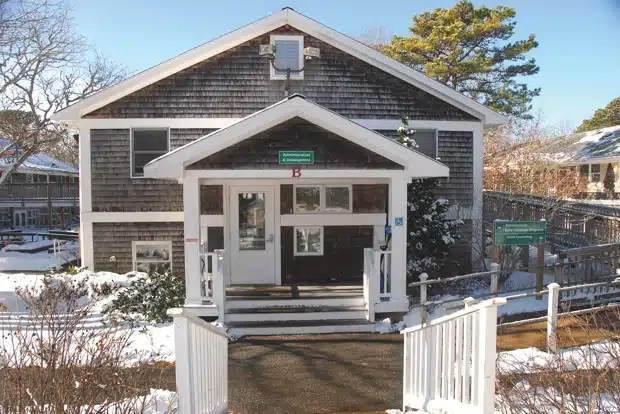
Martha's Vineyard Community Services, located in Vineyard Haven, MA, provides a thorough outpatient substance use treatment program designed for adults and young adults experiencing co-occurring serious mental health issues or emotional disturbances. The treatment incorporates evidence-based methods, including cognitive behavioral therapy and motivational incentives. This facility offers specialized support tailored for active duty military personnel, as well as adult men and women. Emphasizing a commitment to high-quality care, the center serves both male and female clients who are pursuing outpatient treatment options such as methadone, buprenorphine, or naltrexone. For those seeking individualized and effective solutions for addiction, this facility is focused on guiding individuals through their recovery journey.
Chapters Recovery Center Inc, located in Danvers, MA, provides comprehensive treatment for substance use disorders, as well as care for co-occurring mental health conditions in both adults and children. The facility offers a range of treatment options including intensive outpatient, outpatient, and day treatment programs. These are designed to meet individual needs and incorporate various therapeutic approaches such as 12-step facilitation, anger management, and brief interventions. Additionally, tailored programs aim to serve specific populations, including active duty military personnel, adult men, and women, ensuring that each individual receives appropriate and specialized care. Focused on adults and young adults regardless of gender, the center is committed to delivering quality care and holistic approaches, promoting enduring recovery.
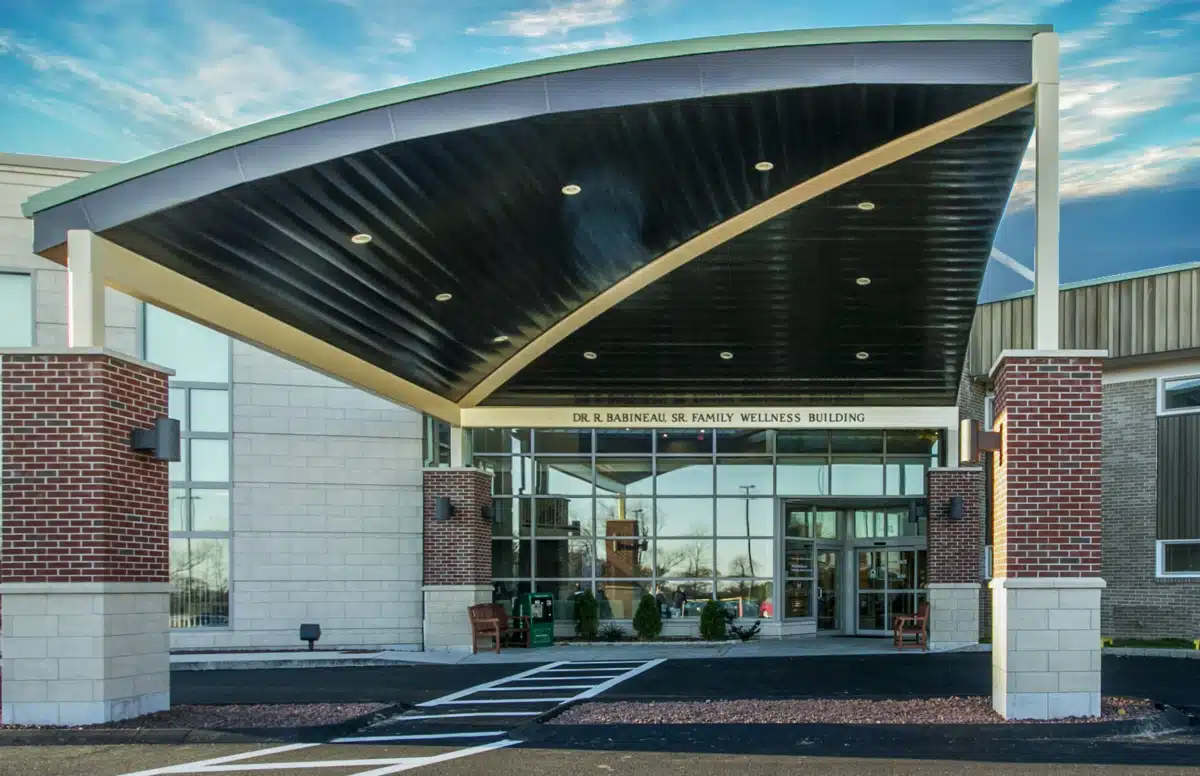
Community Health Connections Inc, situated in Fitchburg, MA, provides extensive outpatient treatment for substance use that caters to both adults and children who are dealing with serious mental health conditions that occur alongside substance use issues. The facility features targeted programs designed for individuals living with HIV/AIDS, those facing co-occurring mental and substance use disorders, and individuals managing pain combined with substance use concerns. Emphasizing treatment methods such as cognitive behavioral therapy and community reinforcement approaches, the center also administers outpatient options for methadone, buprenorphine, or naltrexone. By serving adults and seniors of all genders, this facility focuses on delivering personalized care and support to individuals navigating their journey towards recovery from addiction and mental health difficulties.
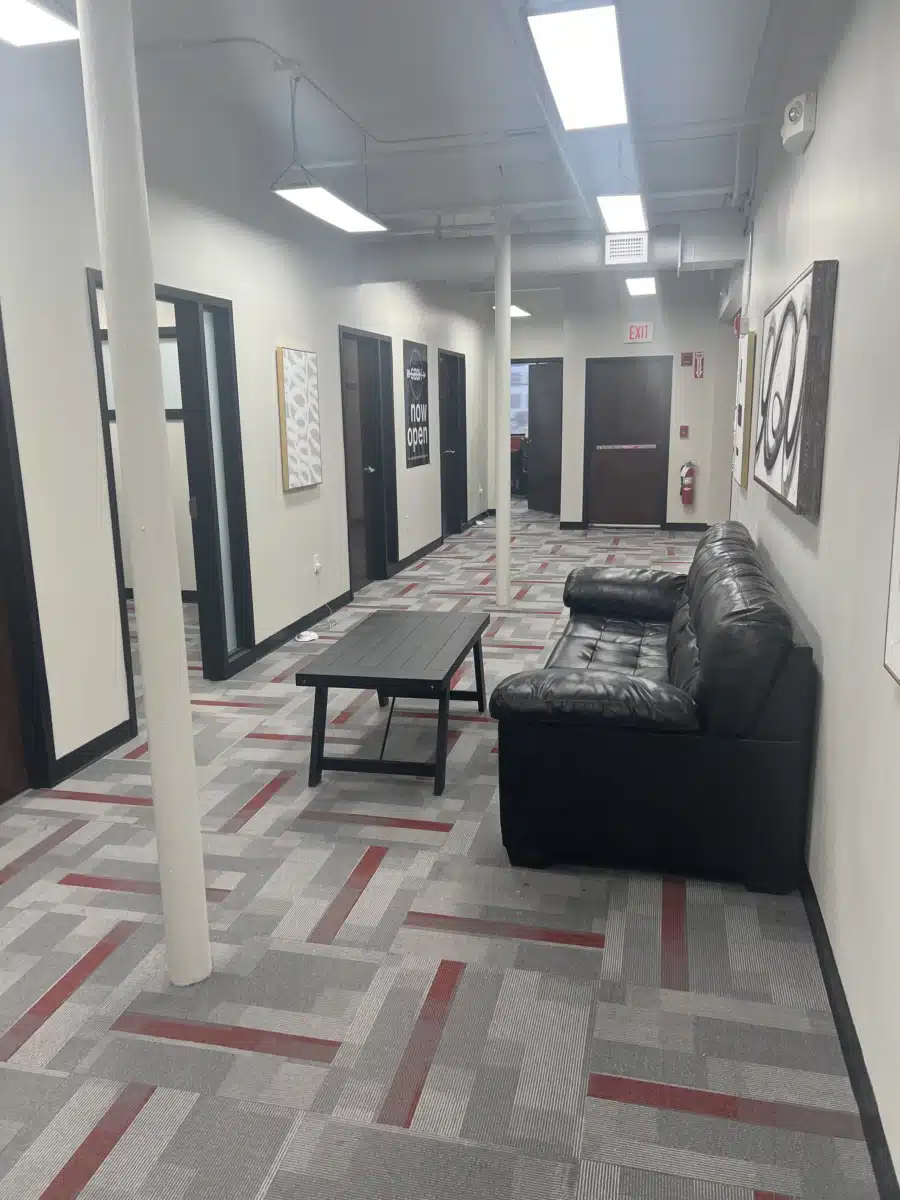
Situated in Needham Heights, Massachusetts, the Greater Boston Addiction Center provides targeted treatment for substance use issues among adults and young adults. This facility offers a range of care options, including intensive outpatient treatment, outpatient day therapy, and partial hospitalization. With an emphasis on methods such as 12-step facilitation, anger management, and brief interventions, the center is equipped to assist those who are dealing with both substance use disorders and serious mental health conditions. Additionally, the center features specialized programs tailored for active duty military members, as well as distinct offerings for adult men and women. By serving clients of all genders, the center places a strong emphasis on delivering high-quality care and developing personalized treatment plans aimed at fostering recovery.
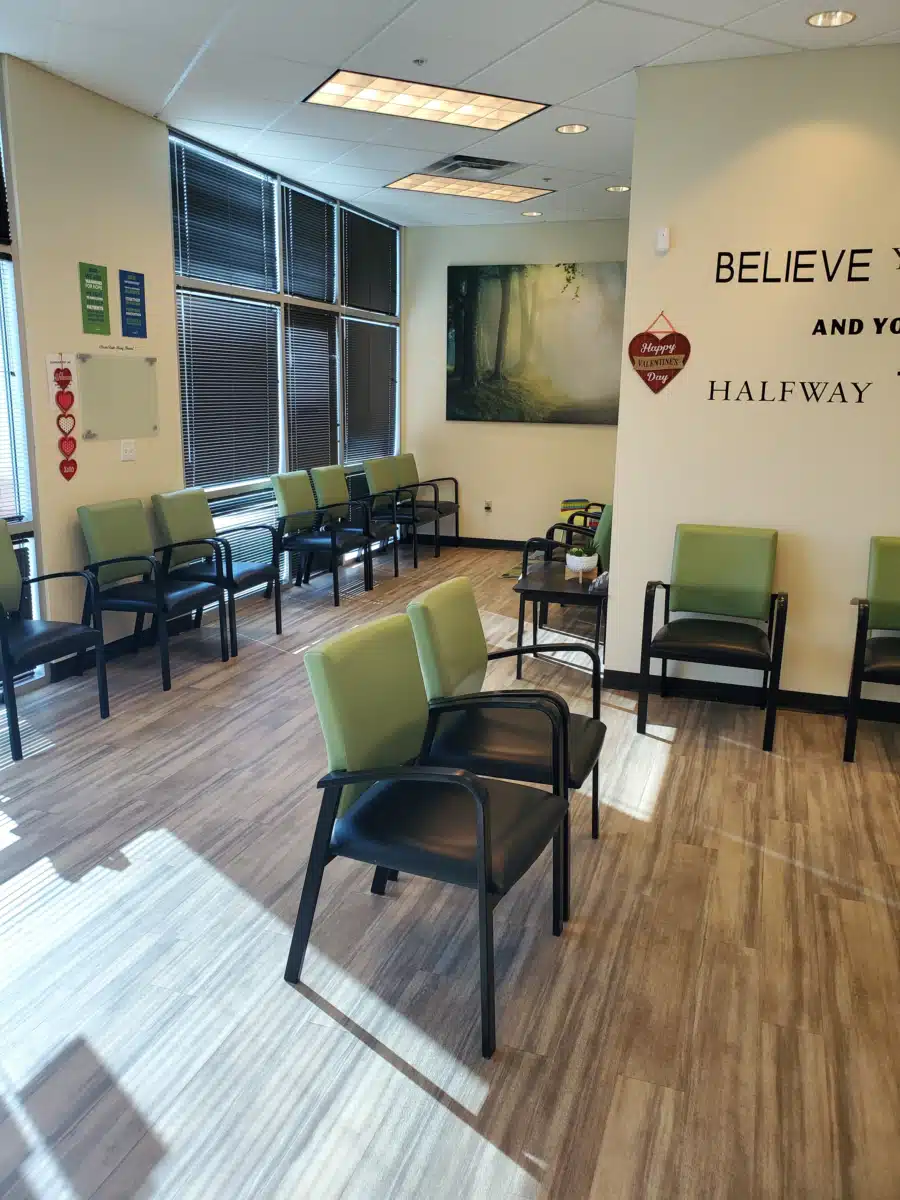
CleanSlate Centers, located in Hyannis, MA, offers outpatient treatment for substance use disorders, featuring options such as methadone, buprenorphine, and naltrexone. The facility employs motivational interviewing along with relapse prevention techniques and counseling specific to substance use disorders. This approach ensures that each individual receives care tailored to their unique needs. The center specializes in providing support for adults and young adults, accommodating all genders. CleanSlate Centers emphasizes quality treatment through a personalized methodology. This may be a suitable option for individuals or their loved ones seeking effective addiction treatment with a comprehensive and customized focus.
Community Health Connections Inc, located in Leominster, MA, delivers specialized outpatient care for both substance use disorders and co-occurring mental health issues in individuals of all ages, including adults and children. The facility employs a range of therapeutic methods, such as cognitive behavioral therapy and community reinforcement strategies, to create personalized treatment plans. Their programs are designed to accommodate clients facing challenges related to mental health alongside substance use, as well as individuals contending with pain and addiction. This center provides a variety of comprehensive treatment options, including outpatient services utilizing methadone, buprenorphine, or naltrexone, and serves a diverse demographic, including adults and seniors of all genders. Emphasizing quality care and tailored support, Community Health Connections Inc aims to be a reliable resource for individuals pursuing their path to recovery.
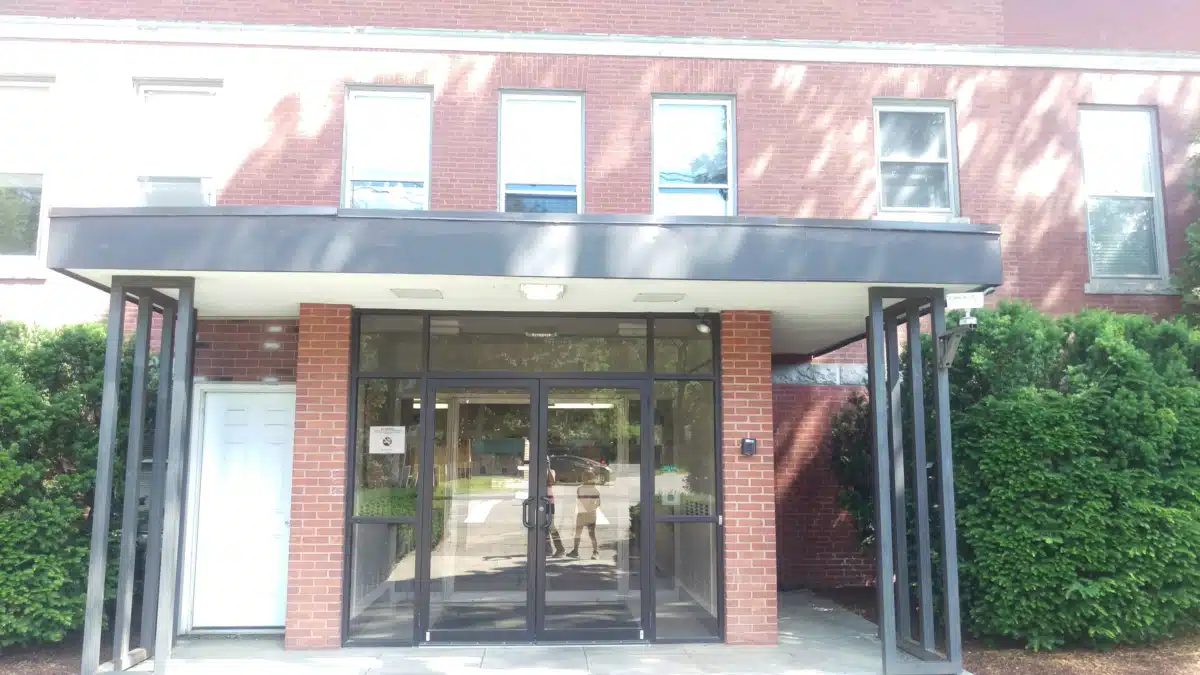
Situated in Fitchburg, Massachusetts, LUK Inc provides outpatient treatment for substance use disorders along with targeted support for individuals experiencing both substance use and significant mental health challenges. The facility offers cognitive behavioral therapy in a standard outpatient setting, specifically designed for adults and seniors. Notable programs are available that cater to specific populations, including active duty military personnel, adolescents, and adult males. LUK Inc emphasizes quality care and creates a welcoming environment for all clients, regardless of gender, who are looking for effective rehabilitation support.
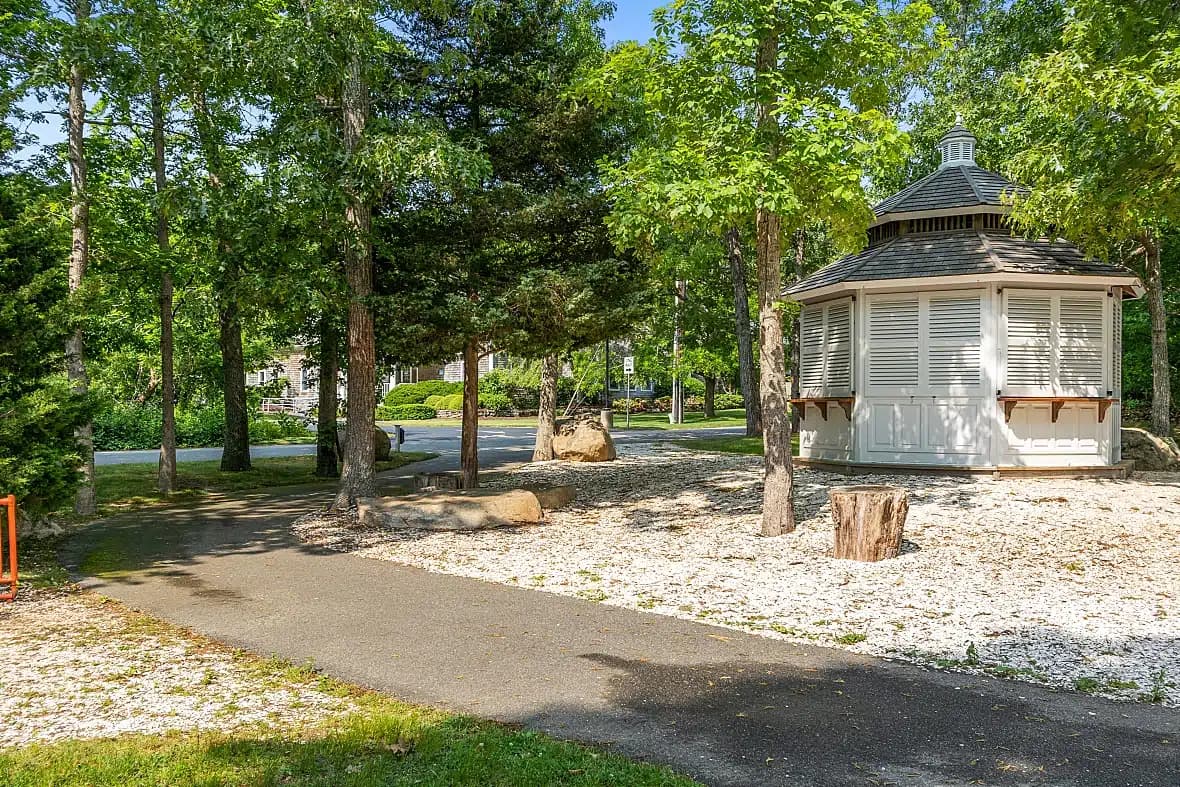
Situated in Falmouth, Massachusetts, Relief Recovery Center provides thorough treatment options for substance use disorders aimed at both adults and young adults. The center has a particular emphasis on addressing co-occurring substance use disorders alongside significant mental health issues for adults, as well as emotional disturbances in younger individuals. Utilizing approaches such as 12-step facilitation, anger management strategies, and brief interventions, the facility offers a variety of program types, including intensive outpatient, outpatient, and day treatment services. Relief Recovery Center also features programs specifically designed for active duty military personnel, as well as distinct services for adult men and women. By fostering a specialized, gender-responsive care environment, the center is committed to delivering tailored treatment plans that support individuals navigating the complex journey of recovery from both addiction and mental health struggles.
CleanSlate Centers, located in Worcester, Massachusetts, provides outpatient treatment for substance use disorders. Their offerings include methadone and buprenorphine treatment, as well as naltrexone therapy. The center emphasizes the use of motivational interviewing techniques, focuses on relapse prevention strategies, and offers counseling specifically designed for substance use disorders. This facility adopts a personalized approach to care, serving both adults and young adults of any gender. By delivering specialized services, CleanSlate Centers strives to assist individuals in navigating their path to recovery from substance use challenges. For those in search of effective and individualized addiction treatment, this center may be a suitable option to consider.
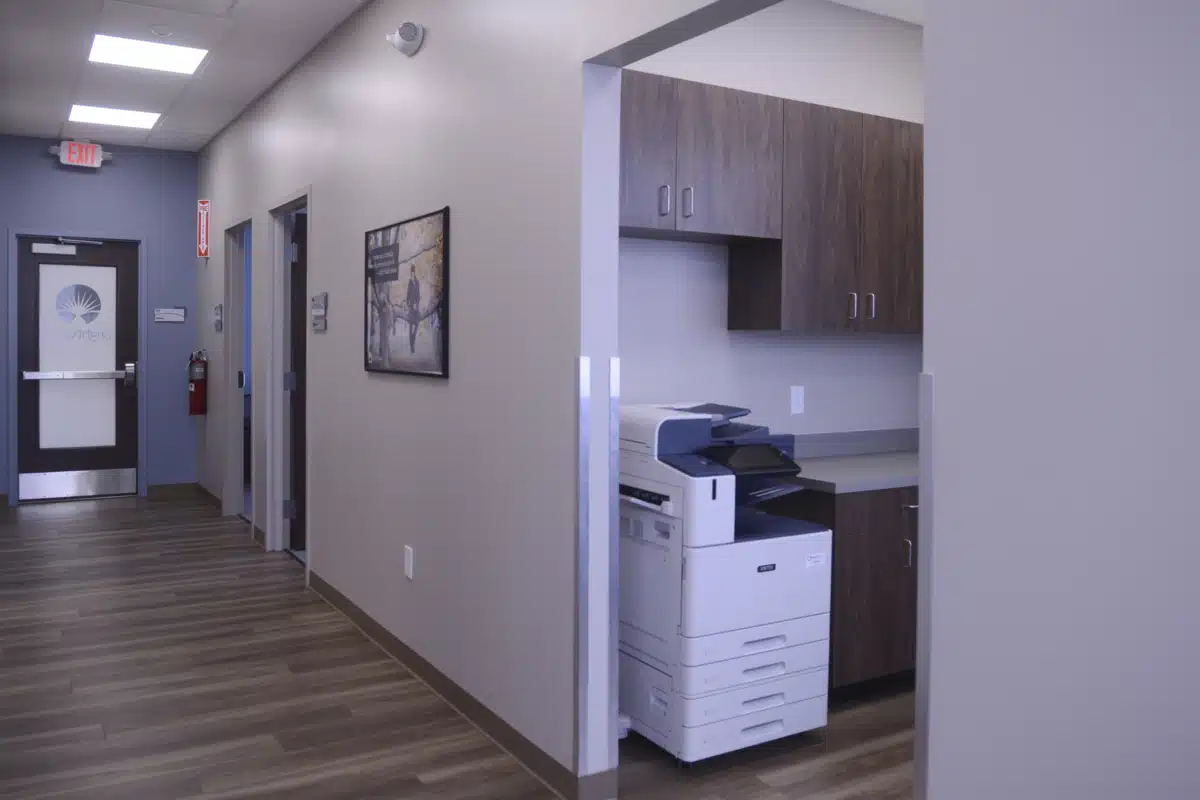
BrightView Health, situated in Attleboro, Massachusetts, provides a wide range of addiction treatment services for both adults and young adults. The facility supports individuals through detoxification and various levels of substance use treatment, including intensive outpatient, outpatient, and day treatment options. By employing evidence-based methods such as brief intervention, cognitive behavioral therapy, and community reinforcement with vouchers, BrightView Health ensures that each treatment plan is customized to meet the unique needs of its clients. The center has a specific emphasis on serving adult men and women, including those who have faced challenges related to intimate partner violence. With a commitment to delivering quality care and personalized assistance, BrightView Health strives to support individuals in their journey toward sustainable recovery.

The Massachusetts Center for Addiction, located in Quincy, MA, provides a wide array of services aimed at addressing addiction. These include treatment for substance use, transitional housing, and support for individuals facing both substance use and mental health disorders for both adults and children. The center offers various treatment modalities, encompassing intensive outpatient programs as well as long-term residential options. Its specialized approaches include 12-step facilitation, anger management, and brief intervention techniques. The center also features targeted programs designed specifically for active duty military personnel, as well as distinct services for adult men and women, accommodating different population needs. By serving both adults and young adults across genders, the facility emphasizes personalized care within a nurturing environment, helping individuals work toward sustainable recovery.
CleanSlate Centers, located in Lynn, Massachusetts, provides outpatient treatment for substance use disorders. The facility offers methadone, buprenorphine, and naltrexone programs, focusing on techniques such as motivational interviewing and relapse prevention, alongside counseling specific to substance use disorders. With an emphasis on personalized care, CleanSlate caters to both adults and young adults, regardless of gender. The center aims to create a supportive atmosphere for those seeking assistance with addiction, prioritizing quality care through individualized treatment plans. For individuals in Lynn looking for a thorough approach to substance use treatment, CleanSlate Centers delivers tailored programs to facilitate recovery.
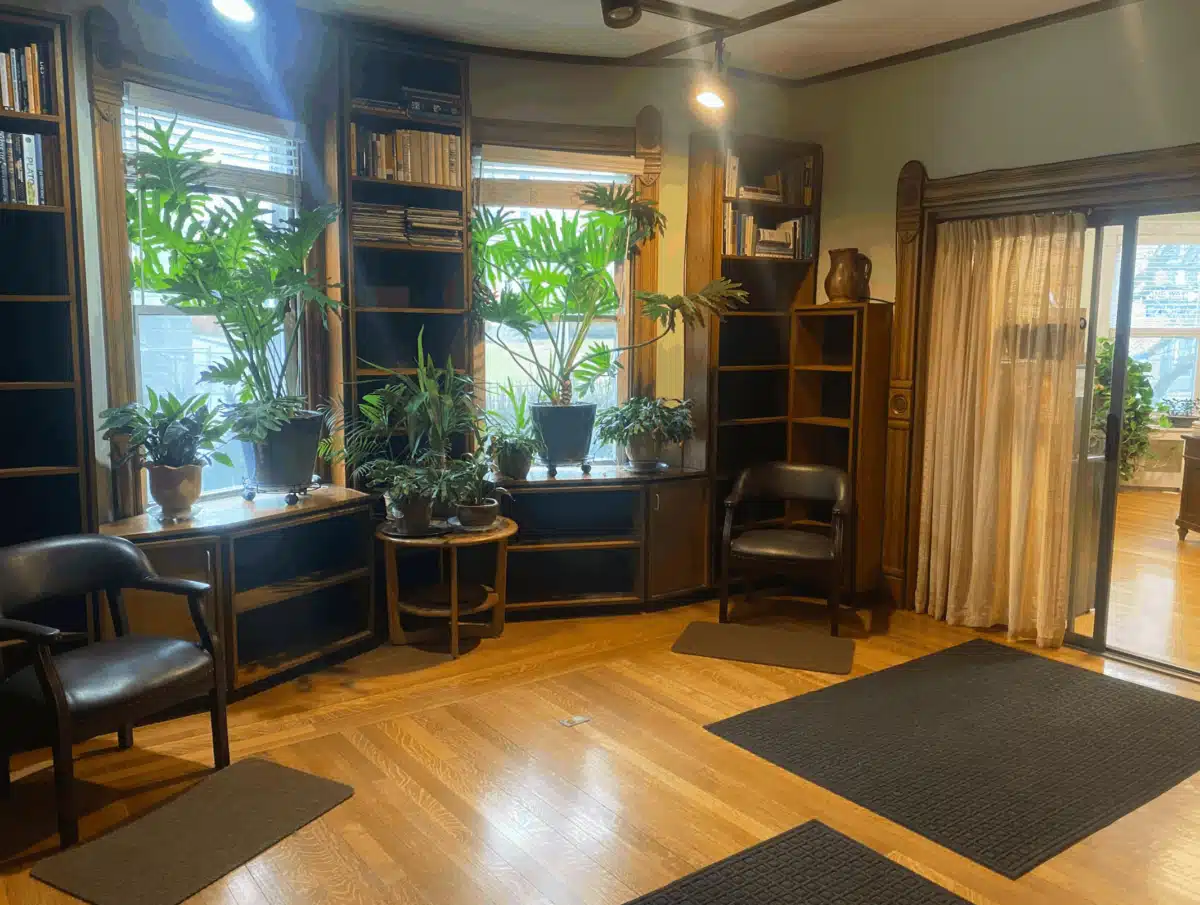
Middlesex Recovery PC, located in Norton, Massachusetts, provides targeted treatment for substance use disorders, addressing the needs of both adults and young adults. The center specializes in outpatient services, which include treatment options with methadone, buprenorphine, or naltrexone, as well as regular outpatient care and personalized treatment plans. By employing therapeutic techniques such as cognitive behavioral therapy, motivational interviewing, and substance use disorder counseling, Middlesex Recovery PC is committed to customizing its approach to suit each individual client. With a dedication to personalized care, the facility serves male and female clients who are seeking thorough support in their journey towards recovery.
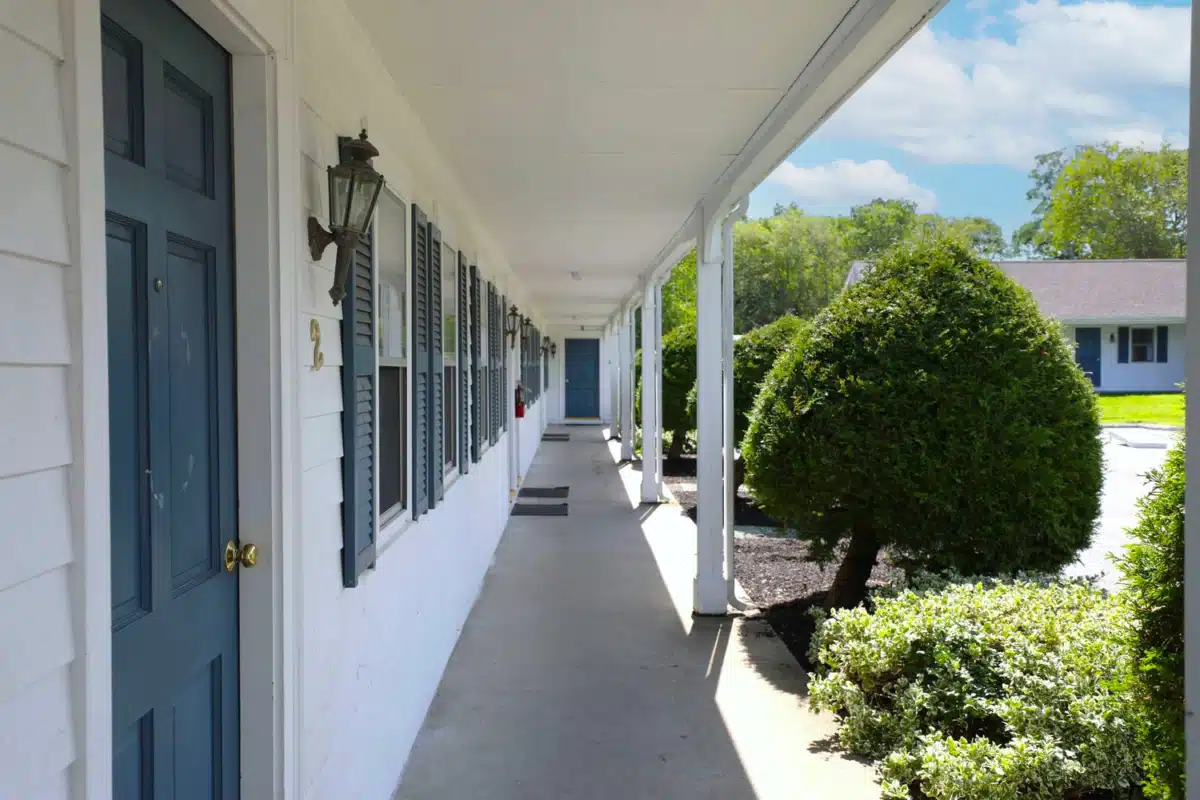
Recovering Champions LLC, situated in East Falmouth, MA, provides a comprehensive approach to substance use treatment aimed at both adults and young adults. The facility is particularly adept at addressing co-occurring substance use disorders along with significant mental health issues or emotional challenges in children. It emphasizes intensive outpatient and outpatient day treatment options, tailoring its programs to meet the needs of diverse populations, including active duty military members, as well as adult men and women. The center employs various therapeutic strategies, such as 12-step facilitation, anger management, and brief interventions to ensure that every individual receives care that aligns with their unique circumstances. With a clear focus on delivering quality and customized treatment, Recovering Champions LLC actively supports individuals throughout their recovery process.
Central Mass Clinical Associates Inc, located in Worcester, MA, provides specialized rehabilitation services for individuals facing challenges related to substance use and co-occurring mental health disorders, accommodating both adults and children. The facility emphasizes intensive outpatient treatment, outpatient care, and medication-assisted treatment options, including methadone, buprenorphine, and naltrexone. Their approach incorporates methods such as 12-step facilitation, anger management, and brief intervention to offer tailored support for each individual. In addition to their standard offerings, Central Mass Clinical Associates features distinct programs designed for adolescents and individuals who have experienced intimate partner violence, domestic violence, or sexual abuse. The center serves a diverse population, including adults, seniors, and young adults of all genders, ensuring a holistic and compassionate approach to addiction treatment for those in need.
About Stimulant Addiction Treatment
Stimulant addiction — involving cocaine, methamphetamine, crack cocaine, and prescription amphetamines — presents unique treatment challenges because there are currently no FDA-approved medications specifically for stimulant use disorder. However, behavioral therapies have proven highly effective, and Massachusetts treatment centers offer comprehensive programs designed to help individuals break free from stimulant dependency and build lasting recovery.
Understanding Stimulant Use Disorders
Stimulants are a class of drugs that increase central nervous system activity, producing feelings of heightened energy, euphoria, confidence, and alertness. While these effects may seem appealing, stimulants rapidly alter brain chemistry — particularly the dopamine system — creating powerful compulsive use patterns.
Common stimulants of abuse include:
- Cocaine: A powerful, short-acting stimulant that produces intense euphoria. The crash that follows drives repeated use and binge patterns.
- Crack cocaine: A smokeable form of cocaine that produces an even more intense, shorter high with a more severe crash.
- Methamphetamine: A synthetic stimulant with longer-lasting effects that can cause severe neurotoxicity, psychosis, and physical deterioration with chronic use.
- Prescription amphetamines: Medications like Adderall and Dexedrine, prescribed for ADHD, can be misused for their stimulant effects — particularly among college students and young adults.
- MDMA (Ecstasy/Molly): A synthetic stimulant with hallucinogenic properties that can lead to dependence and dangerous health complications.
Signs and Symptoms of Stimulant Addiction
Recognizing stimulant addiction involves identifying both behavioral and physical changes:
- Increased energy, talkativeness, and decreased need for sleep during use
- Paranoia, agitation, and aggressive behavior
- Significant weight loss and decreased appetite
- Financial problems due to spending on substances
- Neglecting responsibilities, relationships, and personal hygiene
- Dental problems ("meth mouth" with methamphetamine use)
- Severe crashes — prolonged sleep, depression, intense cravings — after use episodes
- Psychotic symptoms (hallucinations, delusions) with heavy use
Treatment Approaches for Stimulant Addiction
Because there are no FDA-approved medications for stimulant addiction, behavioral therapies form the foundation of treatment. Research has identified several highly effective approaches:
Cognitive Behavioral Therapy (CBT)
CBT is the most widely studied and effective behavioral treatment for stimulant addiction. It helps individuals recognize triggers for use, develop coping strategies, manage cravings, and build skills to avoid relapse. CBT for stimulant use typically involves 12-16 sessions and produces lasting effects.
Contingency Management (CM)
Contingency management is the treatment approach with the strongest evidence for stimulant use disorders. CM provides tangible rewards (vouchers, prizes, or privileges) for achieving treatment goals like submitting drug-free urine samples. Research published in the New England Journal of Medicine shows CM can double abstinence rates for stimulant addiction.
Motivational Interviewing (MI)
Motivational interviewing helps individuals resolve ambivalence about stopping stimulant use and build internal motivation for change. It is particularly useful in early treatment when commitment to recovery may be uncertain.
The Matrix Model
Originally developed specifically for stimulant addiction, the Matrix Model is a 16-week intensive outpatient program combining CBT, family education, relapse prevention, 12-step participation, and urine testing. It has been validated through large-scale studies funded by the National Institute on Drug Abuse.
Recovery Timeline
Stimulant withdrawal, while not typically medically dangerous, involves significant psychological symptoms that require professional support:
- Days 1-3 ("The Crash"): Extreme fatigue, increased sleep (sometimes 12-20 hours), depression, increased appetite
- Week 1-2: Continued fatigue, vivid dreams, irritability, difficulty concentrating, intense cravings
- Weeks 2-4: Mood begins to stabilize, but anhedonia (inability to feel pleasure) can persist as the brain's dopamine system recovers
- Months 1-6: Gradual improvement in mood, energy, and cognitive function. Intermittent cravings may continue, often triggered by environmental cues
- 6+ months: Brain dopamine levels continue normalizing. Ongoing therapy and support are important for maintaining gains
Levels of Care
Massachusetts treatment centers offer all levels of care for stimulant addiction: residential treatment for severe addiction (recommended 60-90 days for stimulant use), partial hospitalization and intensive outpatient for step-down or less severe cases, and standard outpatient for ongoing maintenance and relapse prevention.
Frequently Asked Questions
Is there medication for stimulant addiction?
Currently, there are no FDA-approved medications specifically for stimulant use disorder. However, research is active — several promising medications are in clinical trials. For now, behavioral treatments like CBT and contingency management are the evidence-based standard of care.
How dangerous is stimulant withdrawal?
Unlike alcohol or opioid withdrawal, stimulant withdrawal is not typically medically dangerous. However, the severe depression and suicidal thoughts that can occur make professional supervision important for safety. The psychological intensity of stimulant withdrawal should not be underestimated.
Can the brain recover from stimulant abuse?
Yes. Research shows that brain dopamine systems can recover with sustained abstinence, though the process takes months to over a year depending on the substance and duration of use. Cognitive function, mood, and motivation gradually improve throughout recovery.
What about co-occurring mental health conditions?
Stimulant addiction frequently co-occurs with depression, anxiety, ADHD, and bipolar disorder. Integrated dual diagnosis treatment addressing both conditions is essential for lasting recovery.
For more information about stimulant addiction and treatment:
Recovery from stimulant addiction is achievable with the right support. Browse our directory of Massachusetts treatment centers to find programs specializing in stimulant use disorders, or call the Massachusetts Substance Use Helpline at 1-800-327-5050.