
Contingency Management Treatment Centers
Contingency Management uses positive reinforcement and rewards to encourage sobriety and treatment engagement.
Found 15 treatment centers offering contingency management across Massachusetts.
Last reviewed: March 27, 2026
Want us to find the perfect facility for you?
Call now - it's completely free!
Showing 15 of 15 contingency management treatment centers
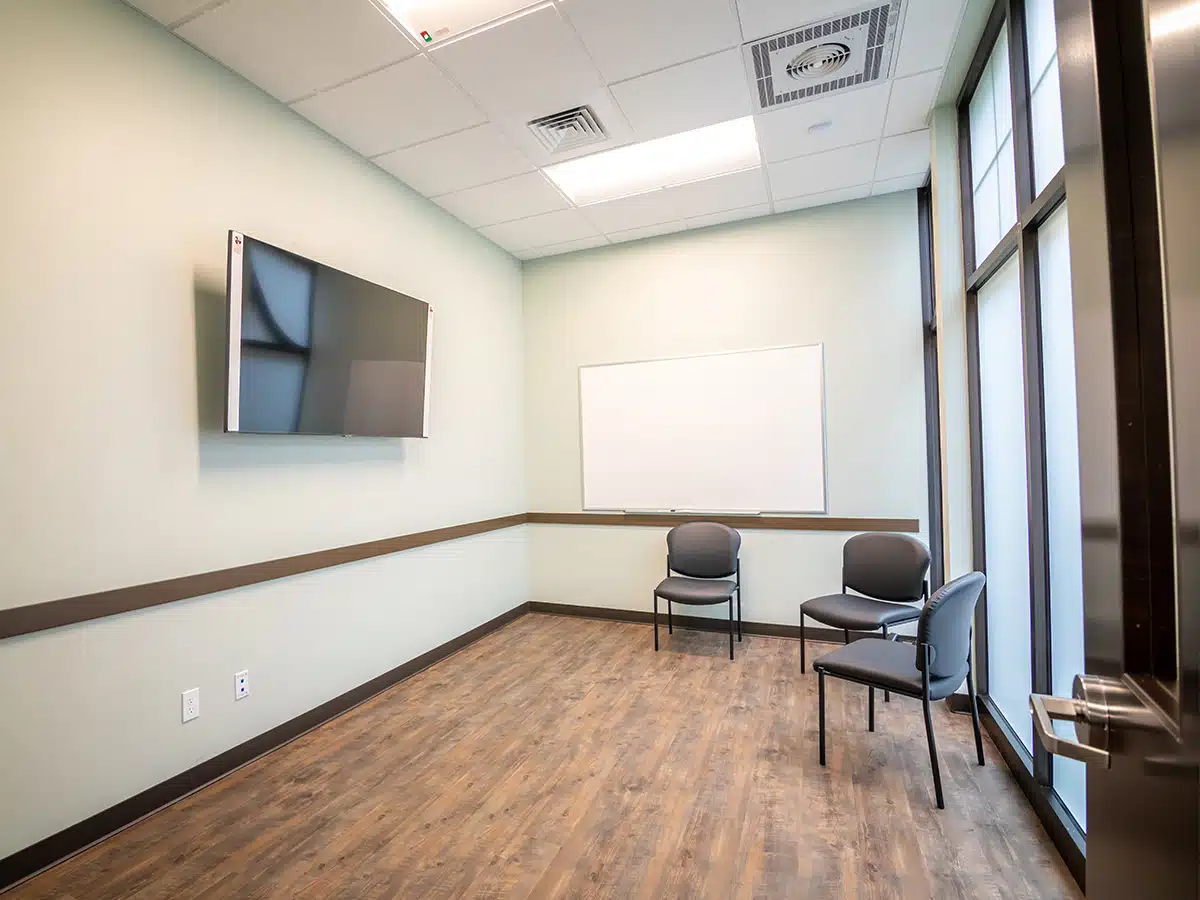
Situated in Boston, Massachusetts, the Boston Comprehensive Treatment Center provides outpatient treatment for individuals dealing with substance use issues, specifically catering to both adults and young adults. This center features dedicated programs designed for adult men, adult women, and those facing co-occurring mental health and substance use disorders. In its commitment to effective recovery practices, the facility employs a variety of evidence-based methods, including anger management, cognitive behavioral therapy, and contingency management with motivational incentives. The Boston Comprehensive Treatment Center prioritizes personalized care, ensuring that all clients, regardless of gender, receive comprehensive support within a nurturing atmosphere.
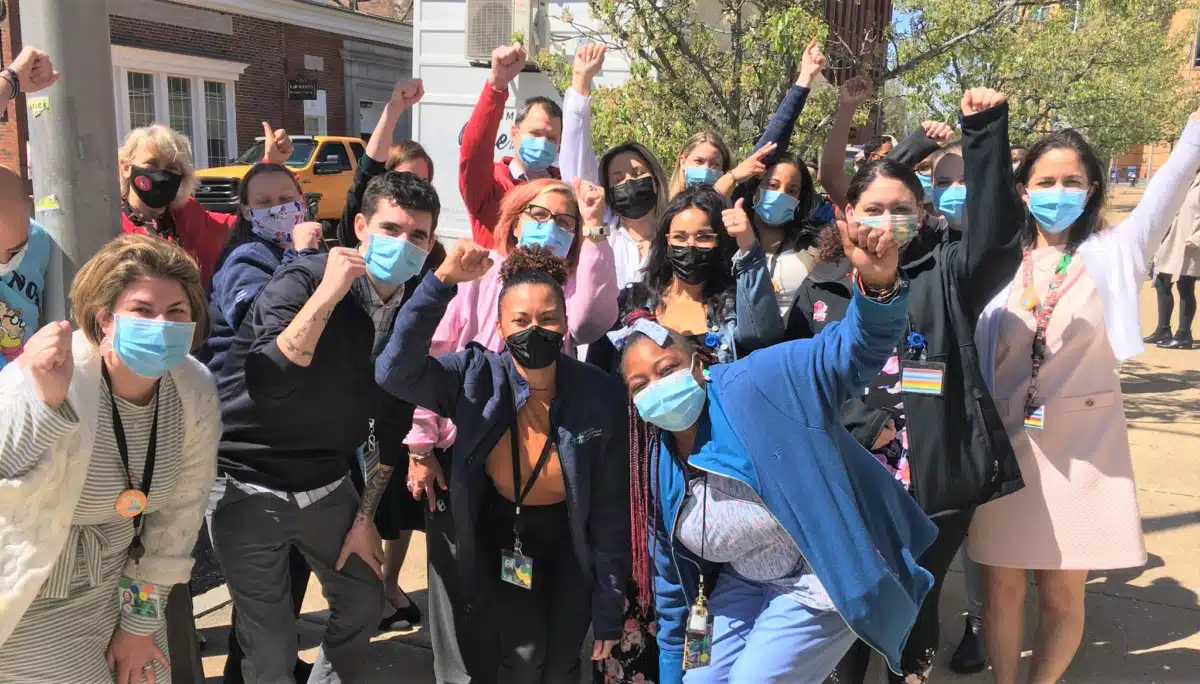
Brockton Neighborhood Health Center, situated in Brockton, MA, provides a broad range of outpatient services focused on substance use treatment. This center is dedicated to assisting adults who face co-occurring serious mental health disorders and children grappling with significant emotional disturbances. It offers various treatment options, including outpatient methadone or buprenorphine and naltrexone therapies, regular outpatient care, and targeted programs for specific populations such as individuals living with HIV/AIDS, those with co-occurring conditions, and pregnant or postpartum women. The treatment methodologies employed at the center encompass brief intervention techniques, cognitive behavioral therapy, and contingency management with motivational incentives. Brockton Neighborhood Health Center caters to both men and women, ensuring that the care provided is tailored to meet the unique needs of both adults and children/adolescents. The facility's commitment to quality and holistic care underscores its dedication to supporting individuals on their journey to recovery.
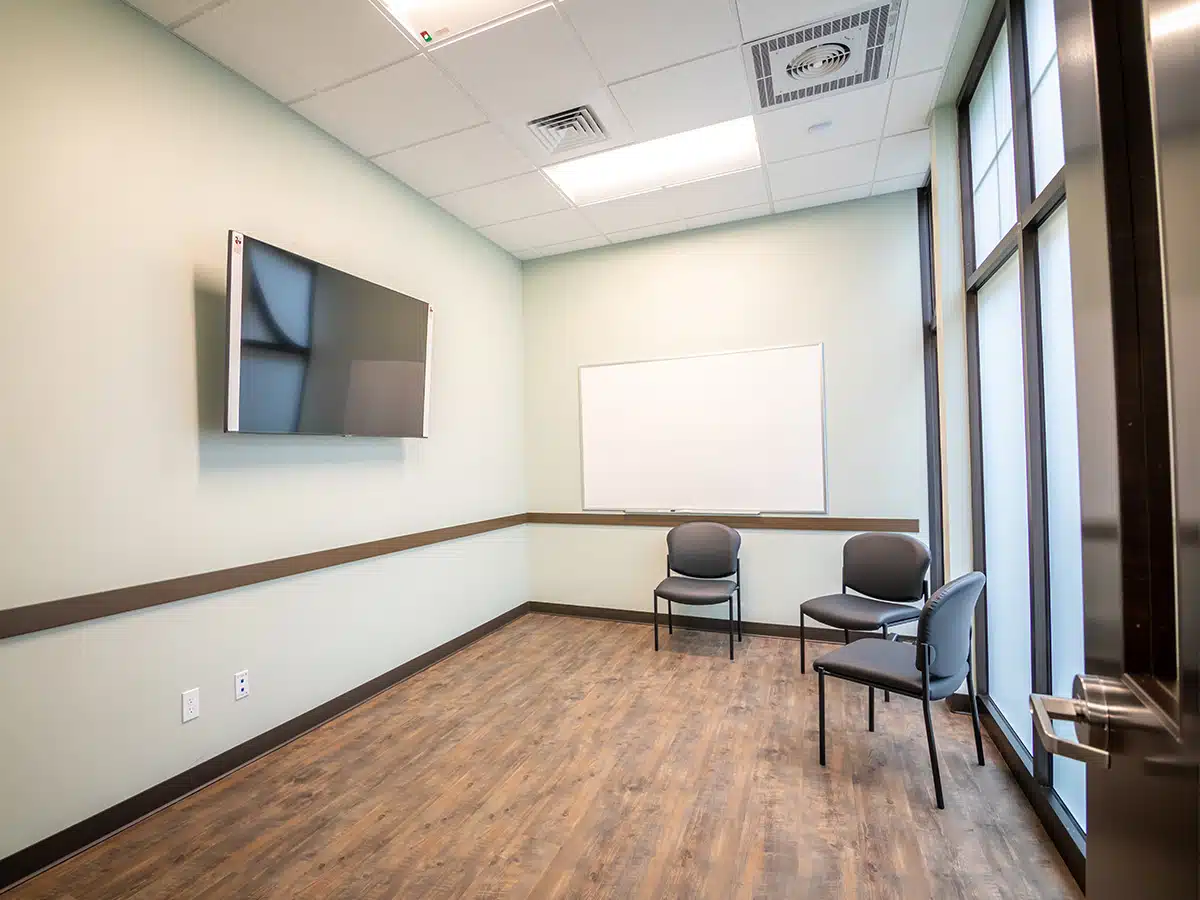
Situated in Taunton, Massachusetts, the Taunton Comprehensive Treatment Center specializes in outpatient services for adult men and women dealing with substance use challenges, including those who also face co-occurring mental health issues. The center employs a variety of evidence-based treatment methods, such as cognitive behavioral therapy, motivational interviewing, and contingency management. Recognizing the unique needs of each individual, the facility offers tailored programs for both adults and young adults, ensuring a personalized approach to care. In addition to standard outpatient services, the center provides treatment options that include methadone, buprenorphine, or naltrexone, all aimed at facilitating comprehensive healing. The Taunton Comprehensive Treatment Center prioritizes a compassionate and effective treatment experience, demonstrating a commitment to helping individuals navigate their recovery journeys.
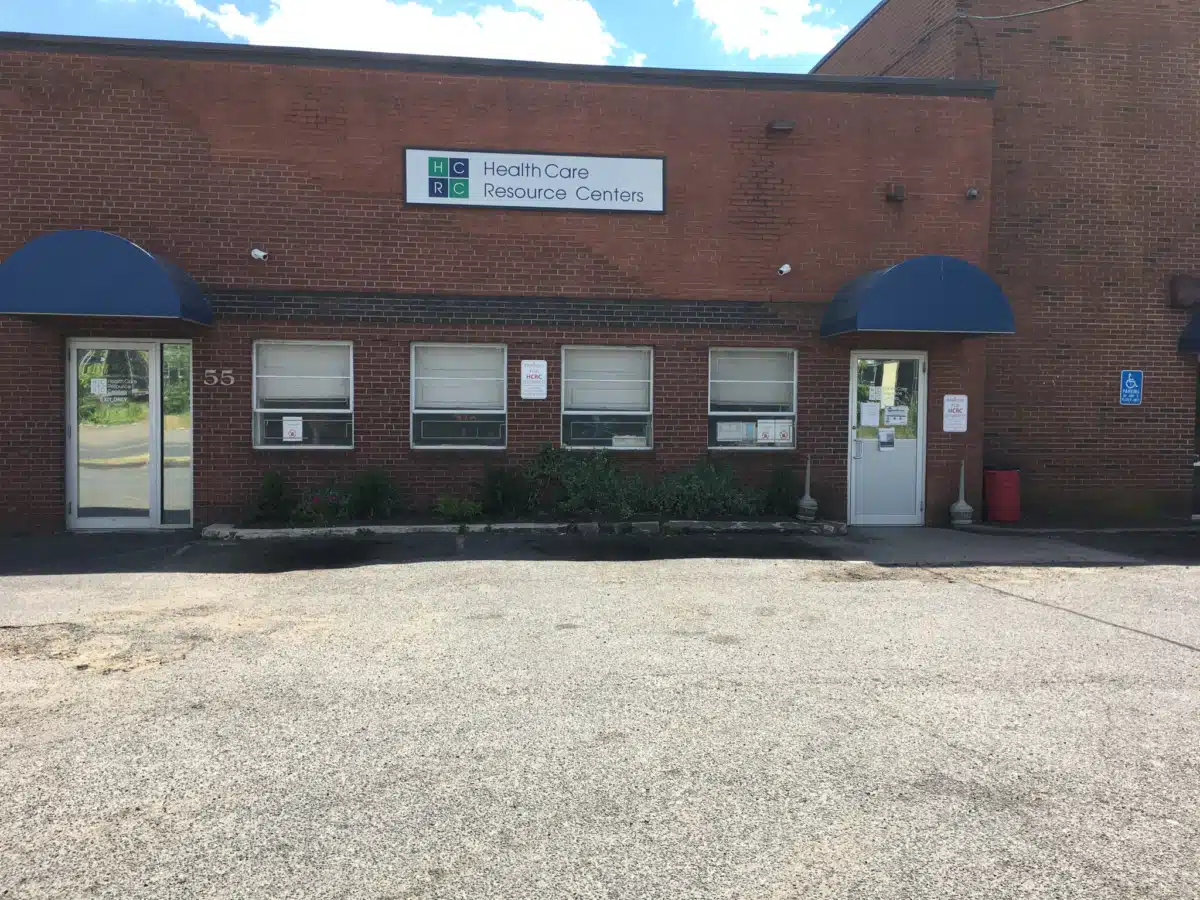
Situated in Boston, MA, Healthcare Resource Centers provides extensive services for individuals dealing with substance use issues, specifically targeting adults and young adults. The facility offers outpatient treatment options, including methadone, buprenorphine, or naltrexone, alongside regular outpatient services. It also features tailored programs designed for adult men, adult women, and those who have experienced trauma, ensuring a well-rounded approach to recovery. The center emphasizes various therapeutic techniques such as anger management, contingency management, motivational incentives, and motivational interviewing, allowing for a personalized treatment experience. By focusing on individualized care, Healthcare Resource Centers aims to support clients throughout their recovery journey.
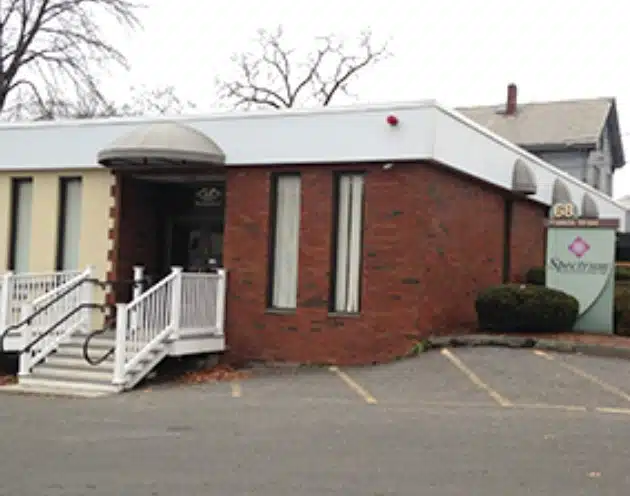
Spectrum Health Systems Inc, situated in Southbridge, MA, provides a range of substance use treatment options for both adults and young adults. The facility specializes in outpatient care and offers targeted support for individuals facing both substance use issues and significant mental health challenges. Employing evidence-based methodologies like cognitive behavioral therapy and motivational interviewing, the program also incorporates contingency management techniques to aid in the recovery process. Spectrum Health Systems Inc serves various populations, including active duty military members, as well as adult men and women, with a commitment to delivering personalized care for each individual. The center emphasizes the importance of quality and customized treatment plans, aiming to assist patients in achieving sustainable recovery.

Catalyst Clinic, situated in Boston, Massachusetts, provides a wide range of substance use treatment programs aimed at adults, seniors, and young adults. The clinic offers outpatient services that include methadone or buprenorphine treatments, along with naltrexone options, standard outpatient treatment, brief intervention, cognitive behavioral therapy, and contingency management with motivational incentives. Notably, Catalyst Clinic has programs specifically designed for adolescents and young adults. Emphasizing the importance of quality care, this facility serves male and female clients who are in pursuit of effective and personalized support for their addiction treatment needs.
Spectrum Health Systems Inc., located in Weymouth, MA, provides a range of services focused on treating substance use disorders. Their offerings include outpatient treatment, as well as outpatient programs specifically using methadone, buprenorphine, or naltrexone. The facility implements evidence-based methods such as cognitive behavioral therapy, contingency management with motivational incentives, and motivational interviewing. This comprehensive approach supports both adult men and women, including individuals who have faced intimate partner violence or domestic violence. Spectrum Health Systems Inc. is committed to delivering personalized care to adults and young adults of all genders, fostering a nurturing environment aimed at promoting sustainable recovery.
Healthcare Resource Centers, situated in Westfield, MA, provides outpatient treatment for substance use disorders through evidence-based methods. These include cognitive behavioral therapy, motivational interviewing, and contingency management. The facility has tailored programs specifically designed for active duty military personnel as well as for adult men and women. Catering primarily to adults and young adults regardless of gender, the center offers outpatient services that encompass the administration of methadone, buprenorphine, or naltrexone. Healthcare Resource Centers aims to deliver personalized care and treatment to assist individuals on their journey toward recovery from addiction.
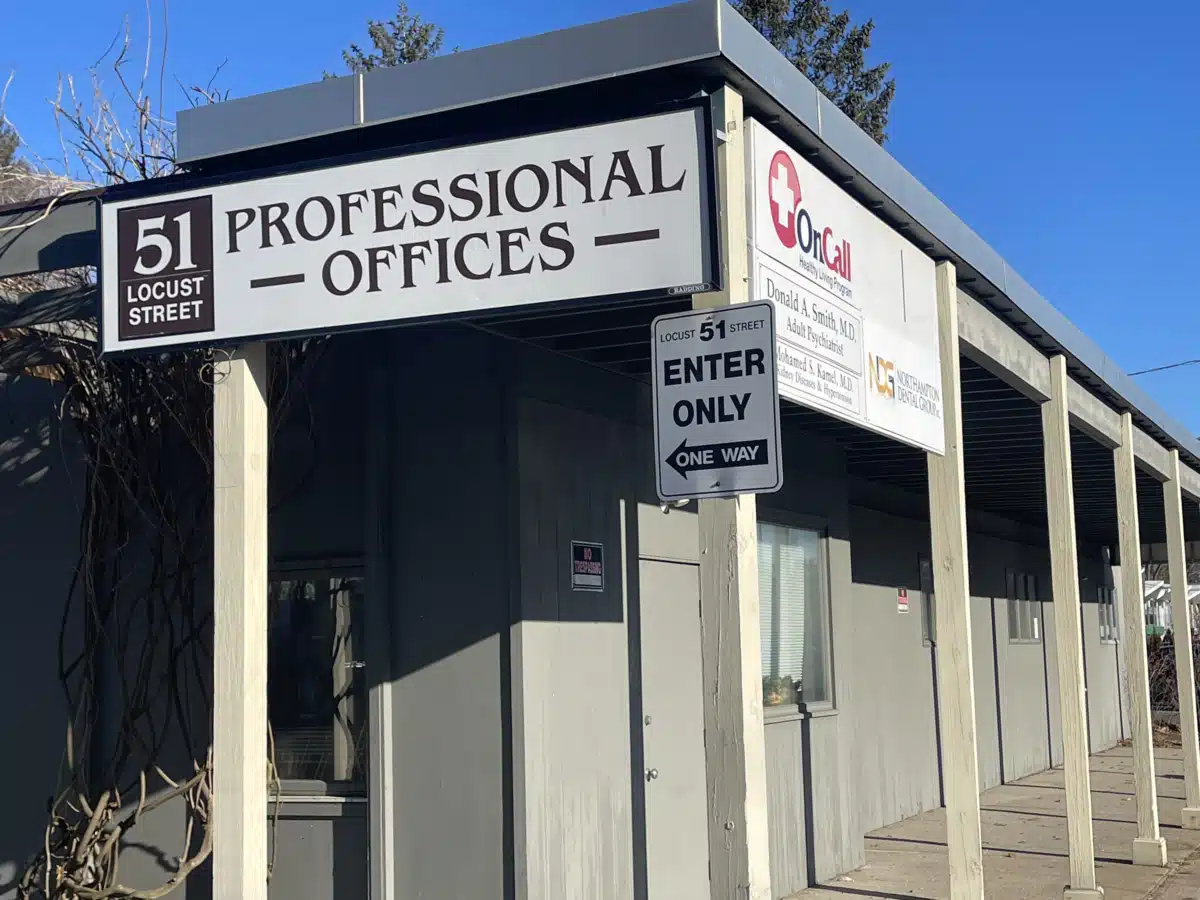
The OnCall Healthy Living Program, situated in Northampton, MA, provides a range of outpatient services including detoxification and treatment for substance use disorders, along with methadone, buprenorphine, or naltrexone options. This facility has a particular focus on brief interventions, cognitive behavioral therapy, and the use of contingency management techniques coupled with motivational incentives. Serving adults and young adults of all genders, the program pays special attention to the needs of pregnant and postpartum women. The center emphasizes personalized care within a supportive environment, aiming to assist individuals as they navigate their recovery process. If you or someone you know is in need of addiction treatment, the OnCall Healthy Living Program offers a commitment to supporting the pursuit of sustained sobriety.
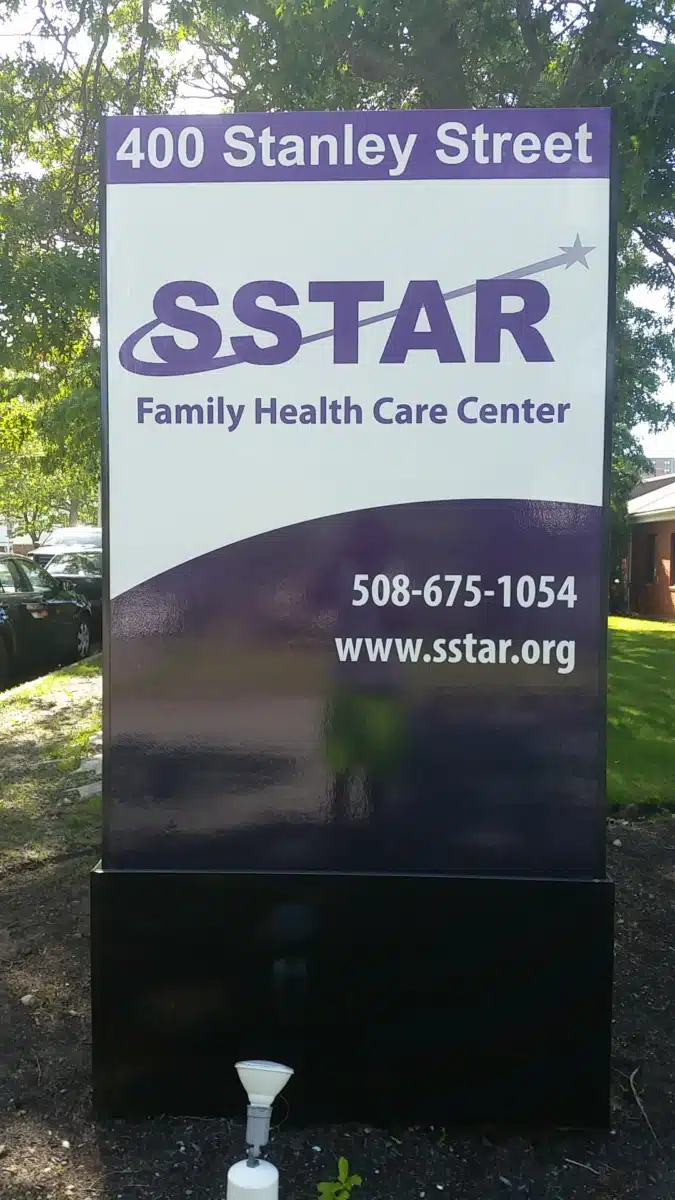
Located in Fall River, MA, the Family Healthcare Center at SSTAR provides an array of specialized treatment programs addressing substance use issues alongside co-occurring mental health disorders. Utilizing evidence-based methodologies, their outpatient and intensive outpatient services incorporate strategies such as cognitive behavioral therapy, motivational interviewing, and contingency management. The center has developed programs specifically designed for active duty military personnel, adolescents, and adult men, ensuring that individuals receive personalized care tailored to their unique needs. Catering to adults and seniors of all genders, the center emphasizes a commitment to quality care through its diverse array of treatment options, making it a significant resource for those pursuing comprehensive rehabilitation services in the Fall River community.
Anchor House Inc, located in Plymouth, Massachusetts, provides long-term residential treatment specifically designed for adult men facing challenges related to substance use and co-occurring mental health disorders. The facility emphasizes a supportive atmosphere and offers specialized programs for individuals who have endured intimate partner violence, domestic violence, or sexual abuse. Anchor House utilizes evidence-based methods, including 12-step facilitation, cognitive behavioral therapy, and contingency management, to promote holistic healing and recovery. Their gender-specific program is tailored to meet the unique needs of male adults, ensuring that each client receives personalized care and attention. The center's dedication to delivering quality care and specialized services positions it as a valuable resource for those in search of thorough and effective rehabilitation options.
Beth Israel Lahey Health Behavioral Services, situated in Gloucester, MA, provides a range of outpatient rehabilitation services aimed at assisting adults and young adults who are facing challenges related to substance use disorders along with co-occurring mental health issues. The facility has a particular focus on detoxification and substance use treatment, alongside specialized programs designed for individuals experiencing serious mental health conditions. The center utilizes evidence-based approaches such as cognitive behavioral therapy, motivational interviewing, and contingency management to deliver personalized care for adult men and women. Clients can access outpatient detoxification services, along with medication-assisted treatment options that include methadone or buprenorphine, all designed to support their journey toward recovery.
Situated in South Weymouth, MA, the Bridge and Perinatal Behavioral Health Programs at this facility provide a range of outpatient services, including detoxification, treatment for substance use disorders, and outpatient options for methadone, buprenorphine, or naltrexone. The center emphasizes tailored interventions, utilizing techniques such as brief intervention, cognitive behavioral therapy, and contingency management along with motivational incentives. With a commitment to addressing the complex needs of individuals experiencing co-occurring mental health and substance use disorders, the facility also offers specialized support for pregnant and postpartum women. It serves both adults and young adults, regardless of gender, focusing on individualized care that fosters recovery and overall wellness in a nurturing environment.
EMH Recovery Inc, located in Brockton, MA, provides focused long-term residential programs designed specifically for female adults, seniors, and young adults in need of substance use treatment. The facility also offers crucial support for those overcoming challenges related to intimate partner violence, domestic violence, and sexual abuse. Clients benefit from a secure and structured environment that includes round-the-clock care and utilizes evidence-based methodologies such as 12-step facilitation, cognitive behavioral therapy, and contingency management. The primary objective at EMH Recovery Inc is to empower adult women through customized programs that address their unique needs. The commitment to delivering quality care and individual support is evident in their approach, which fosters a positive environment for clients as they navigate their journeys toward recovery and healing.
The North Charles Institute, situated in Cambridge, MA, offers a range of outpatient services including detoxification, substance use treatment, and specialized programs designed specifically for adults facing co-occurring serious mental health disorders. Utilizing evidence-based methodologies such as cognitive behavioral therapy and contingency management, this facility addresses the complexities of addiction and mental health. Catering primarily to adult men, the center also provides treatment options for young adults dealing with serious emotional disturbances. With access to outpatient therapies that include methadone/buprenorphine or naltrexone, the North Charles Institute strives to offer comprehensive support for individuals navigating their recovery journey. The facility emphasizes personalized care, adapting its approach to the distinct needs of all clients, fostering a nurturing and supportive environment conducive to healing and personal development.
About Contingency Management
Contingency Management (CM) is an evidence-based behavioral therapy that uses tangible incentives to reinforce positive behaviors — most commonly abstinence from drugs and alcohol. Despite being one of the most effective treatments for substance use disorders, particularly stimulant addiction, CM remains underutilized compared to other approaches. Research published in the New England Journal of Medicine and by the National Institute on Drug Abuse consistently demonstrates that CM can double or triple abstinence rates for certain substances.
What Is Contingency Management?
CM is based on a fundamental principle of behavioral psychology: behaviors that are rewarded are more likely to be repeated. In addiction treatment, CM provides structured incentives — such as vouchers, prizes, or privileges — when individuals achieve specific, measurable treatment goals.
The most common CM targets include:
- Drug-free urine samples: The most widely studied application — individuals earn rewards for submitting negative drug tests
- Treatment attendance: Incentives for consistently attending therapy sessions and group meetings
- Medication adherence: Rewards for taking prescribed MAT medications as directed
- Completing therapeutic tasks: Incentives for homework completion, resume building, or job applications
- Meeting health goals: Rewards for attending medical appointments or completing health screenings
How Incentive-Based Treatment Works
Two primary CM models are used in clinical practice:
Voucher-Based Reinforcement
Individuals earn vouchers with monetary value for meeting treatment goals (typically drug-free urine samples). Voucher values start small and increase with consecutive achievements, creating an escalating reinforcement schedule. If a goal is missed, voucher values reset to the starting point. Vouchers are exchanged for goods and services that support recovery — gym memberships, educational materials, clothing, food items — but never cash.
Prize-Based (Fishbowl) Reinforcement
A more cost-effective approach where individuals who meet their goals earn draws from a fishbowl containing slips of paper. Most slips say "Good job!" (verbal encouragement), some offer small prizes ($1-5 value), and a few offer larger prizes ($20-100). This variable reinforcement schedule — similar to how slot machines work — creates excitement and motivation while keeping costs manageable. The irony of using a gambling-like mechanism to treat addiction is not lost on researchers, but the evidence for its effectiveness is compelling.
Evidence and Effectiveness
CM has one of the strongest evidence bases in addiction treatment:
- Stimulant addiction: CM is the most effective behavioral treatment available for cocaine and methamphetamine use disorders — substances with no FDA-approved medications. Studies show CM can increase abstinence rates from 20% to over 60%.
- Opioid addiction: CM combined with MAT improves treatment retention and reduces illicit drug use beyond MAT alone
- Marijuana: CM combined with CBT produces the strongest outcomes for cannabis use disorder
- Alcohol: CM improves treatment engagement and early abstinence when combined with other therapies
- Smoking cessation: CM-based programs have strong evidence for tobacco use, including during pregnancy
- Special populations: CM has shown effectiveness in treatment courts, homeless populations, and individuals with co-occurring mental health disorders
In 2023, California became the first state to launch a statewide CM program through Medicaid for stimulant use disorders, reflecting growing recognition of CM's effectiveness and the movement toward broader implementation.
CM in Massachusetts Programs
While CM has been slower to gain adoption compared to CBT or 12-step approaches, Massachusetts treatment programs are increasingly incorporating CM elements:
- Some IOP and outpatient programs use incentive systems for attendance and clean drug screens
- Residential programs may use privilege-based systems that function similarly to CM
- The Massachusetts Department of Public Health has supported CM pilot programs in various settings
- CM is often combined with other treatments — not used as a standalone therapy
Frequently Asked Questions
Isn't it wrong to pay people to stay sober?
This is the most common objection to CM, but the evidence strongly supports its use. Addiction disrupts the brain's reward system — substances hijack motivation circuits so that drugs become more compelling than natural rewards. CM provides an immediate, competing reward that helps the brain relearn that positive outcomes come from healthy choices, not substance use.
Do people just go back to using after the incentives stop?
Some individuals do relapse after CM ends, which is why CM is most effective when combined with other therapies like CBT and motivational interviewing. The abstinence achieved during CM provides a window of clarity during which other therapeutic skills can take hold. Research shows that even when outcomes diminish somewhat after CM ends, they remain better than without CM.
How much do the incentives cost?
Prize-based CM typically costs $200-500 per patient over a 12-week period — significantly less than the cost of continued substance use, emergency room visits, or incarceration. Voucher-based programs may cost more ($1,000-2,000) but produce correspondingly larger effects.
Does insurance cover CM?
Coverage varies. CM is not yet universally covered by insurance in Massachusetts, though it may be incorporated into funded treatment programs. As evidence continues to accumulate and states like California expand CM coverage through Medicaid, broader insurance coverage is expected.
For more information about contingency management:
Find Massachusetts treatment centers incorporating evidence-based approaches like CM through our directory, or call the Massachusetts Substance Use Helpline at 1-800-327-5050.