
Marijuana Dependence Rehab Centers
Marijuana dependence treatment helps individuals overcome psychological dependency on cannabis through counseling, support groups, and coping strategies.
Found 15 rehab centers specializing in marijuana dependence across Massachusetts.
Last reviewed: March 27, 2026
Want us to find the perfect facility for you?
Call now - it's completely free!
Showing 15 of 15 marijuana dependence rehab centers
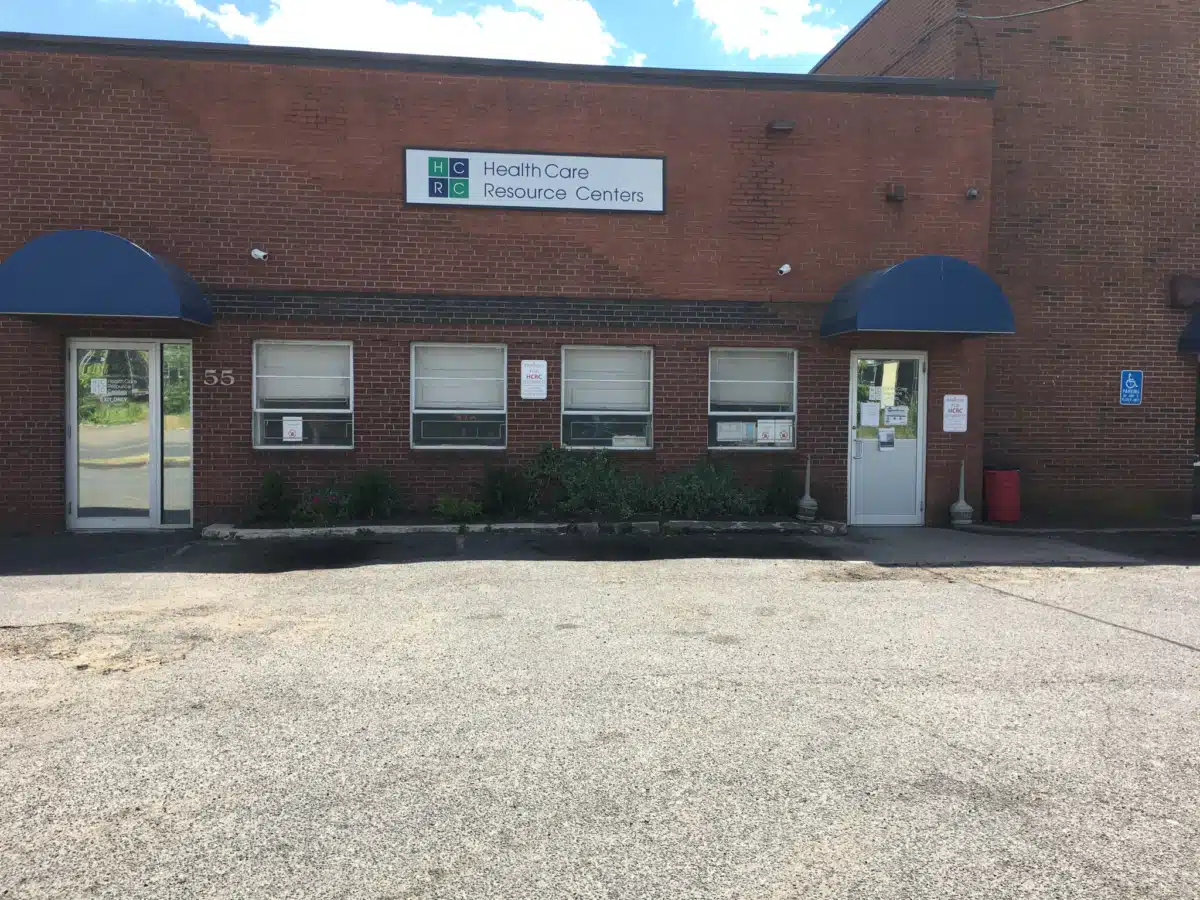
Healthcare Resource Centers, located in New Bedford, MA, is dedicated to providing outpatient treatment programs for adults and young adults dealing with substance use issues. This facility offers specialized care for individuals who are living with HIV or AIDS, those experiencing co-occurring mental health and substance use disorders, as well as pregnant or postpartum women. Their treatment methods encompass anger management, brief interventions, and cognitive behavioral therapy. The center prioritizes delivering quality care through various outpatient options, including methadone, buprenorphine, or naltrexone treatments, in addition to standard outpatient services. Healthcare Resource Centers serves both male and female clients, fostering a comprehensive and supportive environment aimed at helping individuals in their recovery journey from substance use disorders.
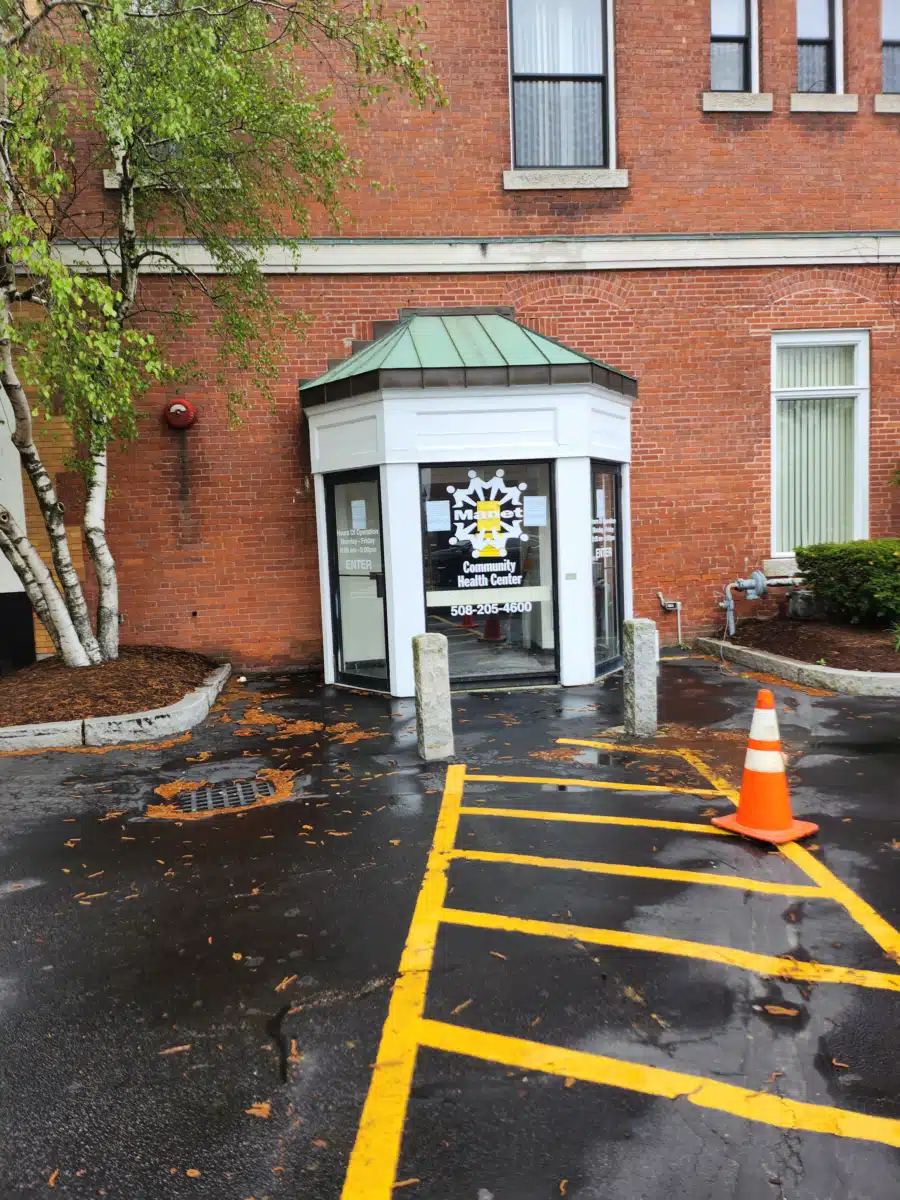
Community Healthcare Inc, located in Attleboro, MA, provides specialized outpatient treatment for substance use disorders, utilizing approaches such as methadone, buprenorphine, and naltrexone therapy. The center emphasizes personalized care by incorporating various methods, including 12-step facilitation, anger management, and brief intervention strategies. Its programs are specifically designed for adult men and women, including those who have faced intimate partner or domestic violence. The facility caters to adults and young adults across all genders, ensuring that individuals seeking recovery receive comprehensive support. Community Healthcare Inc is dedicated to delivering quality care and a range of program options, positioning itself as a valuable resource for those pursuing addiction treatment services.
Situated in Boston, MA, Healthcare Resource Centers provides extensive services for individuals dealing with substance use issues, specifically targeting adults and young adults. The facility offers outpatient treatment options, including methadone, buprenorphine, or naltrexone, alongside regular outpatient services. It also features tailored programs designed for adult men, adult women, and those who have experienced trauma, ensuring a well-rounded approach to recovery. The center emphasizes various therapeutic techniques such as anger management, contingency management, motivational incentives, and motivational interviewing, allowing for a personalized treatment experience. By focusing on individualized care, Healthcare Resource Centers aims to support clients throughout their recovery journey.
Healthcare Resource Centers, located in Greenfield, MA, provides a range of services including outpatient detoxification, treatment for substance use disorders, and outpatient options for methadone, buprenorphine, or naltrexone therapies. The facility's approach integrates various therapeutic methods such as anger management, brief intervention, and cognitive behavioral therapy to address the needs of its clients. It offers specialized support for adult men and women, as well as individuals who have faced intimate partner or domestic violence. Catering to both adults and young adults across genders, Healthcare Resource Centers is committed to delivering care that is responsive to the unique requirements of each person. For those seeking assistance with addiction, this center emphasizes individualized treatment plans and specialized programs designed to aid in the recovery process.
Healthcare Resource Centers, located in Woburn, MA, delivers thorough outpatient substance use treatment options designed to address the specific needs of each individual. The center offers a range of services, including outpatient treatment with medications such as methadone, buprenorphine, or naltrexone. Additionally, clients can engage in regular outpatient therapy as well as various therapeutic techniques, which include anger management, brief intervention, and cognitive behavioral therapy. The facility provides specialized programs for adult women, including those who are pregnant or in the postpartum phase, and accommodates both adults and young adults. Emphasizing the importance of quality care, the center strives to create a supportive environment for all clients, regardless of gender, who are seeking effective treatment for addiction in the Woburn area.
Healthcare Resource Centers, located in Chelsea, MA, provides outpatient detoxification and substance use treatment programs designed for adults and young adults. The center offers specialized services for pregnant or postpartum women, as well as tailored support for adult men and women. By emphasizing anger management, cognitive behavioral therapy, and motivational incentives, the facility creates individualized treatment plans to meet the unique needs of each client. Additionally, Healthcare Resource Centers has outpatient options for methadone, buprenorphine, or naltrexone treatment. Their programs are inclusive of both male and female clients, ensuring that all individuals receive quality care throughout their recovery journeys. For those searching for effective addiction treatment that prioritizes a personalized approach, this center presents a comprehensive array of services within a compassionate setting.
Healthcare Resource Centers, situated in Westfield, MA, provides outpatient treatment for substance use disorders through evidence-based methods. These include cognitive behavioral therapy, motivational interviewing, and contingency management. The facility has tailored programs specifically designed for active duty military personnel as well as for adult men and women. Catering primarily to adults and young adults regardless of gender, the center offers outpatient services that encompass the administration of methadone, buprenorphine, or naltrexone. Healthcare Resource Centers aims to deliver personalized care and treatment to assist individuals on their journey toward recovery from addiction.
Umass Harrington Healthcare at Webster, situated in Webster, Massachusetts, specializes in outpatient treatment aimed at addressing substance use issues and co-occurring serious mental health disorders in adults, alongside emotional disturbances in children. The facility adopts a comprehensive approach to care, utilizing methods such as anger management, cognitive behavioral therapy, and personalized programs that cater to the unique needs of each client. Focusing on both young and adult individuals, the center offers services to male and female clients. Treatment options available at this facility encompass outpatient methadone or buprenorphine therapy, naltrexone treatment, regular outpatient services, and brief interventions. Committed to providing quality care with tailored approaches, Umass Harrington Healthcare at Webster supports individuals in their recovery journey.
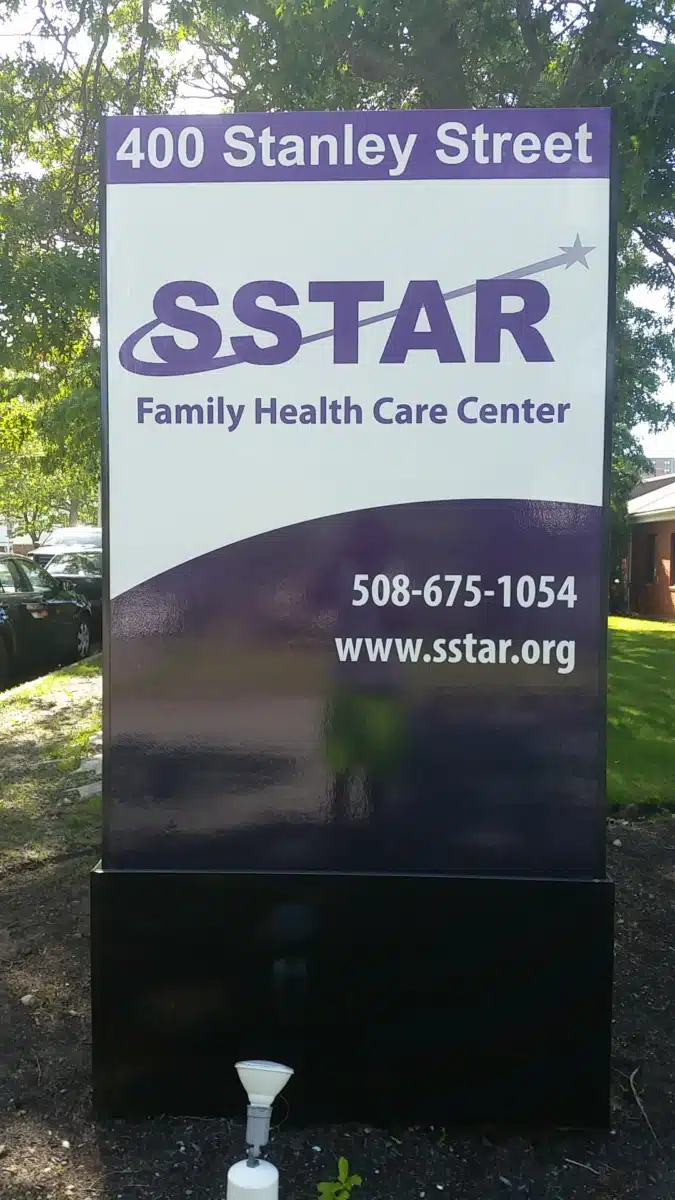
Located in Fall River, MA, the Family Healthcare Center at SSTAR provides an array of specialized treatment programs addressing substance use issues alongside co-occurring mental health disorders. Utilizing evidence-based methodologies, their outpatient and intensive outpatient services incorporate strategies such as cognitive behavioral therapy, motivational interviewing, and contingency management. The center has developed programs specifically designed for active duty military personnel, adolescents, and adult men, ensuring that individuals receive personalized care tailored to their unique needs. Catering to adults and seniors of all genders, the center emphasizes a commitment to quality care through its diverse array of treatment options, making it a significant resource for those pursuing comprehensive rehabilitation services in the Fall River community.

Situated in Framingham, MA, SMOC Behavioral Healthcare provides targeted substance use treatment within a nurturing setting. The facility focuses on long-term and around-the-clock residential programs designed for both adults and young adults. It employs various therapeutic techniques, including 12-step facilitation, brief intervention, and cognitive behavioral therapy, addressing the needs of adult men, women, and individuals who are pregnant or in the postpartum period. By prioritizing individualized care, SMOC Behavioral Healthcare aims to deliver effective treatment tailored for each client, whether male or female. For those seeking a comprehensive approach to addiction recovery, this center offers a range of specialized programs that may support their healing process.
SMOC Behavioral Healthcare, located in Framingham, MA, specializes in outpatient services for those dealing with substance use issues, particularly individuals who also face serious mental health challenges. The facility employs a range of evidence-based treatment methods, including 12-step facilitation, anger management, and brief interventions, to support clients in their recovery journey. With a commitment to personalized care, SMOC Behavioral Healthcare provides programs specifically designed for adult men and women, as well as those who have experienced intimate partner or domestic violence. The center caters to adults and seniors from all gender identities, fostering a welcoming and supportive atmosphere for anyone seeking assistance with their recovery and mental health needs.
Healthcare Resource Centers, located in Northampton, MA, provides extensive substance use treatment options via outpatient programs. These offerings include outpatient care involving methadone, buprenorphine, or naltrexone as part of their treatment strategies. The center has a strong focus on anger management, brief interventions, and cognitive behavioral therapy, ensuring a holistic approach to support. This facility also offers specialized programs aimed at addressing the needs of adult men and women, as well as individuals who have faced intimate partner or domestic violence. Healthcare Resource Centers is dedicated to delivering tailored, individualized care for adults and young adults of all genders, emphasizing quality care and evidence-based methods to aid individuals in their recovery from substance use disorders.
Healthcare Resource Centers, located in Peabody, MA, provides outpatient services for individuals dealing with substance use challenges. Catering to both adults and young adults, the center has a particular focus on those facing co-occurring substance use disorders alongside serious mental health conditions or emotional disturbances. Among the treatments offered are outpatient options utilizing medications such as methadone, buprenorphine, or naltrexone. The center employs evidence-based methods, including cognitive behavioral therapy and motivational incentives, to enhance recovery outcomes. In addition to catering to the general needs of adult clients, Healthcare Resource Centers also features specialized programs tailored for adult men, adult women, and individuals with trauma backgrounds. The facility is committed to delivering quality care within a supportive environment, ensuring that both male and female clients receive the focused treatment they require.
Situated in Jamaica Plain, MA, Healthcare Resource Centers provides outpatient treatment for substance use disorders, which includes services such as outpatient treatment with methadone, buprenorphine, or naltrexone, along with standard outpatient care. The center has specific expertise in managing anger, employing cognitive behavioral therapy, and utilizing the Matrix Model approach. Additionally, they offer customized programs designed for active duty military members, as well as tailored services for adult men and women. This facility caters to both adults and young adults of all genders, ensuring a comprehensive level of care within a nurturing environment. Committed to implementing individualized treatment plans and utilizing evidence-based practices, Healthcare Resource Centers aims to support individuals in their journey toward enduring recovery from substance use issues.
SMOC Behavioral Healthcare, located in Framingham, MA, provides targeted treatment for adults dealing with substance use issues and co-occurring serious mental health disorders, as well as services for children facing serious emotional disturbances. The center offers long-term residential care and 24-hour support, integrating techniques such as 12-step facilitation, anger management, and brief intervention strategies. There are distinct programs designed to meet the needs of various groups, including active duty military personnel, adult women, and individuals who have encountered intimate partner violence or domestic violence. While serving a diverse clientele that includes adults, seniors, and young adults, the facility places particular emphasis on addressing the unique needs of female clients, fostering a comprehensive and nurturing environment conducive to recovery and wellness.
About Marijuana Dependence Treatment
Despite widespread legalization and the perception that marijuana is harmless, cannabis use disorder (CUD) is a real and growing clinical concern. The National Institute on Drug Abuse estimates that approximately 30% of people who use marijuana develop some degree of use disorder. In Massachusetts, where recreational marijuana has been legal since 2016, treatment admissions for cannabis-related concerns have remained significant — particularly among young adults.
Is Marijuana Addictive?
Yes. While marijuana does not produce the dramatic physical withdrawal seen with alcohol or opioids, it can create genuine psychological and mild physical dependence. The Diagnostic and Statistical Manual of Mental Disorders (DSM-5) recognizes Cannabis Use Disorder as a diagnosable condition ranging from mild to severe.
Key facts about marijuana dependence:
- About 9% of all marijuana users develop dependence; this rises to 17% for those who begin using in their teens
- Today's marijuana is significantly more potent than in previous decades — THC concentrations have increased from around 4% in the 1990s to over 15-25% in many products, with concentrates exceeding 80%
- Daily or near-daily users are at the highest risk for developing CUD
- Cannabis withdrawal is now recognized as a clinical syndrome, with symptoms that can last 1-2 weeks
- Marijuana use during adolescence can affect brain development, impacting memory, learning, and attention
Signs of Marijuana Dependence
Cannabis use disorder may be present when an individual experiences several of the following:
- Using marijuana in larger amounts or for longer periods than intended
- Persistent desire or unsuccessful efforts to cut down or control use
- Spending significant time obtaining, using, or recovering from marijuana
- Craving marijuana when not using
- Continued use despite problems at work, school, or in relationships
- Giving up important activities in favor of marijuana use
- Using marijuana in physically hazardous situations (e.g., driving)
- Tolerance — needing more marijuana to achieve the desired effect
- Withdrawal symptoms when stopping (irritability, sleep difficulties, decreased appetite, anxiety, cravings)
Treatment Options for Marijuana Dependence
There are currently no FDA-approved medications specifically for cannabis use disorder, making behavioral therapies the primary treatment approach:
Cognitive Behavioral Therapy (CBT)
CBT helps individuals identify situations, thoughts, and emotions that trigger marijuana use, and develop alternative coping strategies. Research shows CBT produces lasting reductions in cannabis use even after treatment ends.
Motivational Enhancement Therapy (MET)
Based on motivational interviewing principles, MET is particularly effective for marijuana dependence because many users are ambivalent about whether their use is problematic. MET helps individuals explore their own reasons for change without confrontation or judgment.
Contingency Management
Contingency management provides tangible incentives for achieving and maintaining abstinence. Studies show the combination of CBT, MET, and contingency management produces the best outcomes for cannabis use disorder.
Support Groups
12-step programs like Marijuana Anonymous (MA) and SMART Recovery groups offer peer support for individuals seeking to reduce or stop marijuana use. These free, community-based resources provide ongoing recovery support.
Youth and Cannabis in Massachusetts
Adolescent and young adult marijuana use is a particular concern in Massachusetts. The developing brain is more vulnerable to the effects of THC, and early cannabis use is associated with:
- Impaired memory, attention, and executive function that may persist even after stopping
- Lower academic achievement and increased dropout rates
- Higher risk of developing cannabis use disorder later in life
- Increased risk of anxiety, depression, and in vulnerable individuals, psychotic disorders
- Gateway effect — while controversial, early marijuana use is statistically associated with later use of other substances
Massachusetts treatment programs for young people take a developmentally appropriate approach, often involving family therapy, school coordination, and age-specific group programming.
Frequently Asked Questions
If marijuana is legal, why would I need treatment?
Legal status does not determine whether a substance can cause harm. Alcohol is legal but alcohol addiction is one of the most common substance use disorders. If marijuana use is negatively affecting your relationships, work, health, or quality of life, professional treatment can help regardless of its legal status.
What does marijuana withdrawal feel like?
Common withdrawal symptoms include irritability, anxiety, decreased appetite, sleep difficulties (insomnia and vivid dreams), restlessness, and physical discomfort. Symptoms typically peak within the first week and resolve within 1-2 weeks, though sleep disturbances may last longer. While uncomfortable, cannabis withdrawal is not medically dangerous.
Do I need residential treatment for marijuana dependence?
Most individuals with cannabis use disorder can be effectively treated in outpatient settings. Residential treatment may be appropriate when marijuana use co-occurs with other substance use disorders, severe mental health conditions, or when previous outpatient attempts have been unsuccessful.
Is medical marijuana safe for people in recovery?
This is a complex and debated topic. For individuals with a history of cannabis use disorder, using medical marijuana carries significant relapse risk. Many addiction treatment providers recommend exploring non-cannabis alternatives for conditions like chronic pain or anxiety. Discuss this carefully with both your prescribing physician and your addiction treatment team.
Does insurance cover marijuana addiction treatment?
Yes. Cannabis use disorder is a recognized medical diagnosis, and treatment is covered under most insurance plans — including MassHealth — at the same level as other substance use disorders under Massachusetts parity laws.
For more information about cannabis use disorder:
If marijuana is affecting your life, you deserve support. Browse our directory of Massachusetts treatment centers or call the Massachusetts Substance Use Helpline at 1-800-327-5050.