
12-Step Programs Treatment Centers
12-Step Programs are peer support groups that follow a structured approach to recovery, including steps like admitting powerlessness and making amends.
Found 322 treatment centers offering 12-step programs across Massachusetts.
Last reviewed: March 27, 2026
Want us to find the perfect facility for you?
Call now - it's completely free!
Showing 20 of 322 12-step programs treatment centers
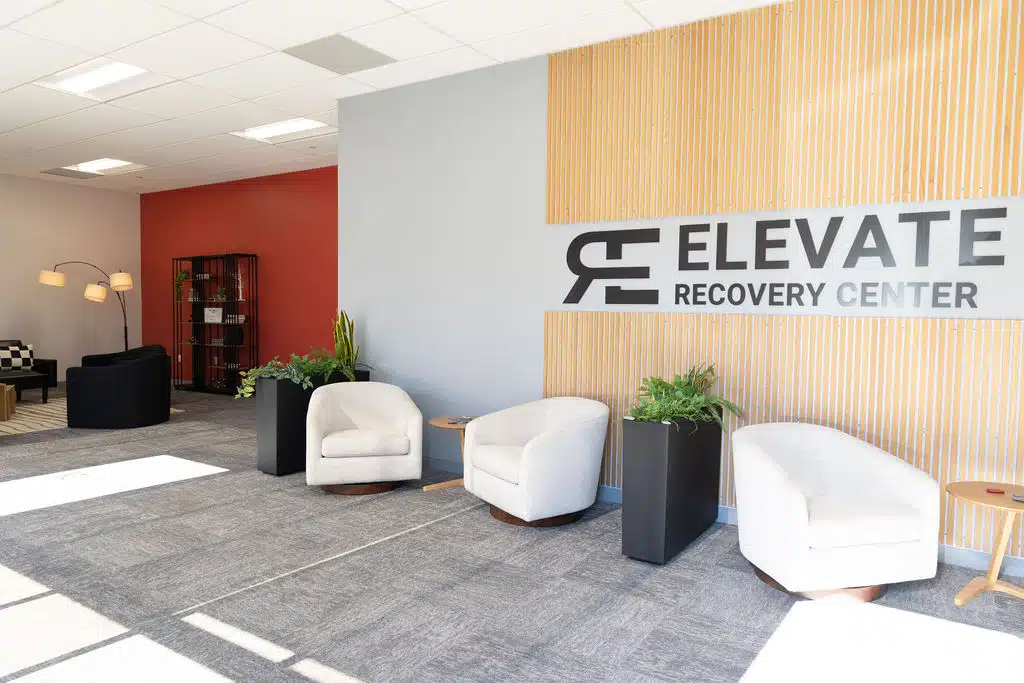
Recovery Services LLC, situated in North Billerica, MA, offers targeted treatment for individuals facing substance use issues alongside co-occurring mental health disorders, catering to both adults and children. The facility provides various programs, including intensive outpatient treatment, outpatient day treatment, and partial hospitalization, to address the specific needs of its clients. Emphasizing techniques such as 12-step facilitation, cognitive behavioral therapy, and anger management, the center develops personalized treatment plans. It has a particular strength in effectively supporting individuals with dual diagnoses, serving both adult and young adult males and females. Recovery Services LLC is recognized for its thorough approach and dedication to delivering tailored care to those in pursuit of recovery.
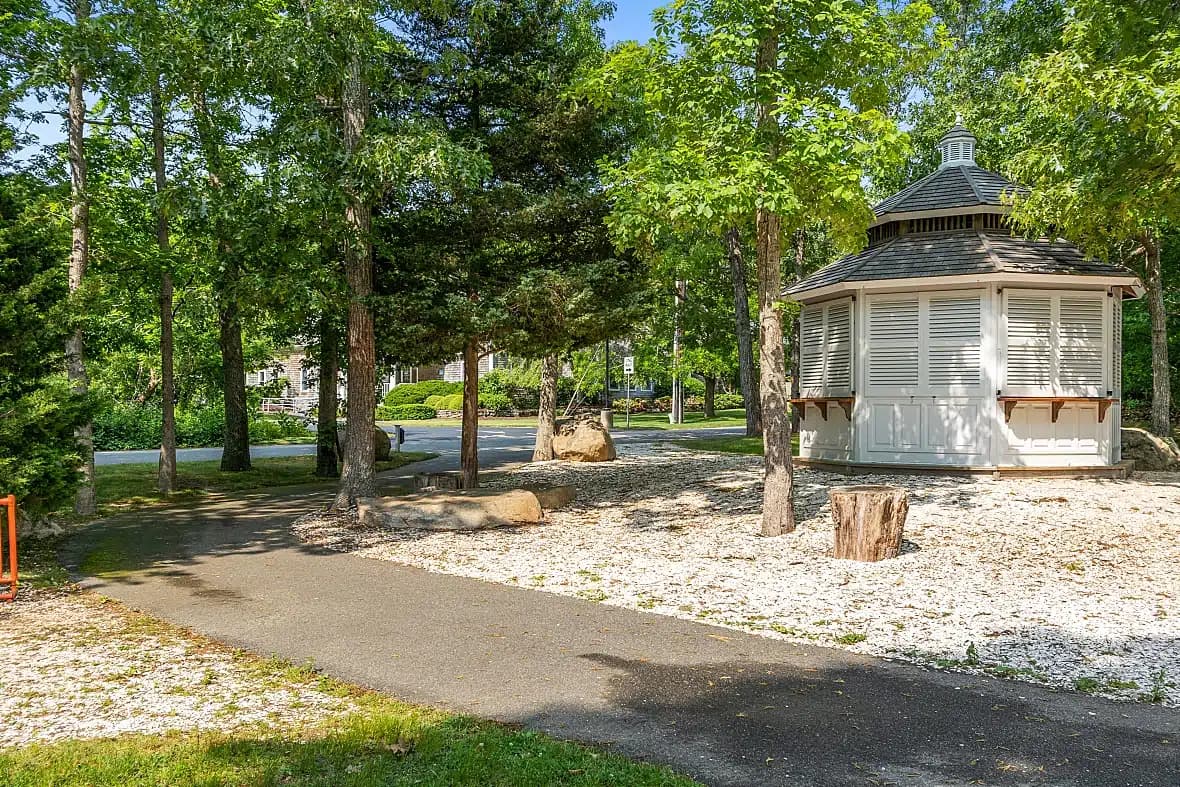
Situated in Falmouth, Massachusetts, Relief Recovery Center provides thorough treatment options for substance use disorders aimed at both adults and young adults. The center has a particular emphasis on addressing co-occurring substance use disorders alongside significant mental health issues for adults, as well as emotional disturbances in younger individuals. Utilizing approaches such as 12-step facilitation, anger management strategies, and brief interventions, the facility offers a variety of program types, including intensive outpatient, outpatient, and day treatment services. Relief Recovery Center also features programs specifically designed for active duty military personnel, as well as distinct services for adult men and women. By fostering a specialized, gender-responsive care environment, the center is committed to delivering tailored treatment plans that support individuals navigating the complex journey of recovery from both addiction and mental health struggles.
Rockland Recovery Treatment Center, located in Braintree, MA, provides a wide array of services aimed at addressing substance use issues. The center's offerings include transitional housing and support for individuals dealing with both substance use and serious mental health disorders. Treatment modalities consist of intensive outpatient programs, long-term residential care, and traditional outpatient services. Various therapeutic approaches are employed, such as 12-step facilitation, anger management, and brief interventions. The center also features specialized programs designed for diverse populations, including active duty military members, adolescents, and adult men, allowing them to cater to different age groups and genders. With a focus on personalized treatment strategies, Rockland Recovery Treatment Center aims to provide quality care for those seeking help on their recovery journey.
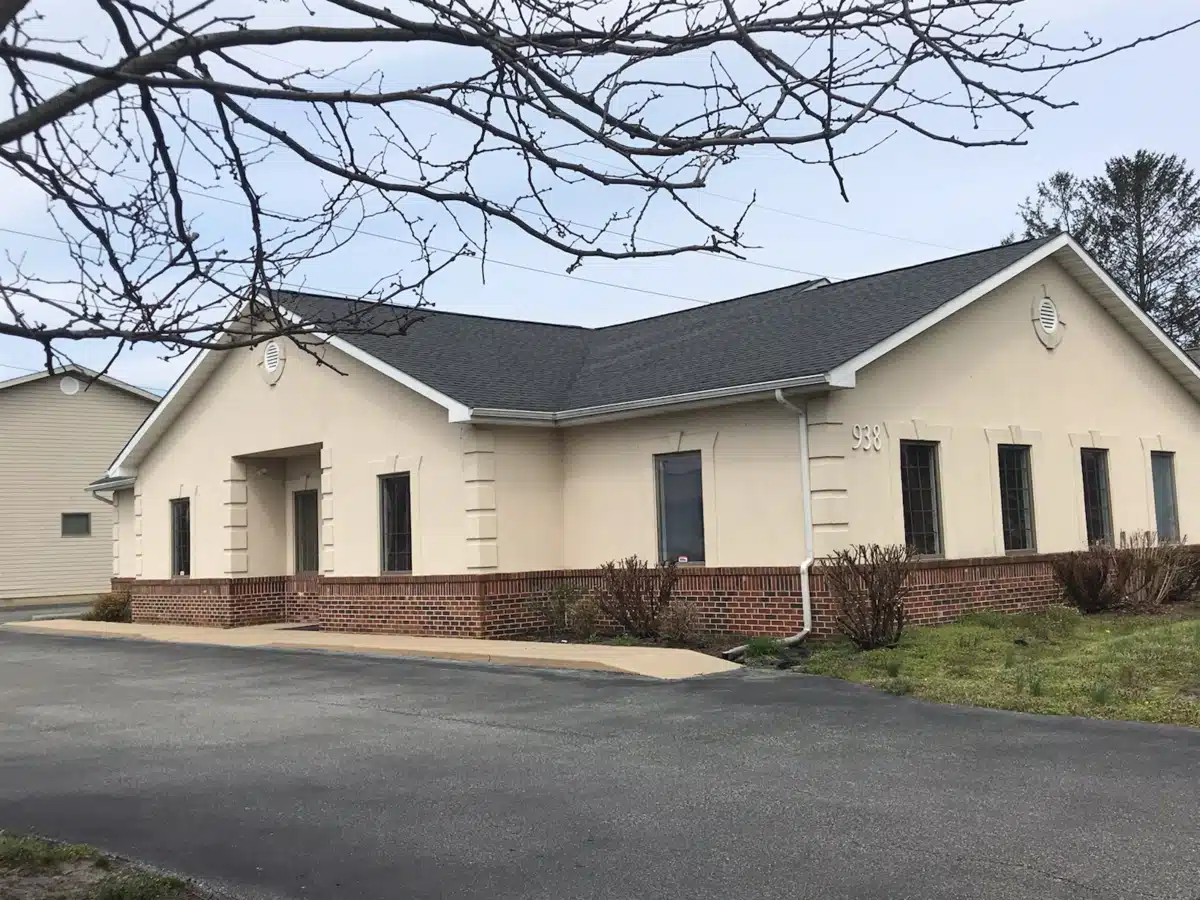
SaVida Health, located in North Adams, MA, provides comprehensive addiction treatment services aimed at adults and seniors. The facility adopts a holistic approach to recovery by offering a variety of treatment formats that cater to the specific needs of individuals. SaVida Health places a strong emphasis on personalized care, ensuring that each client is given the attention necessary for their recovery journey. Both men and women seeking assistance with addiction will find specialized programs designed to support them in their efforts. The center prioritizes quality care and custom treatment plans, committing itself to helping clients navigate their path toward recovery.
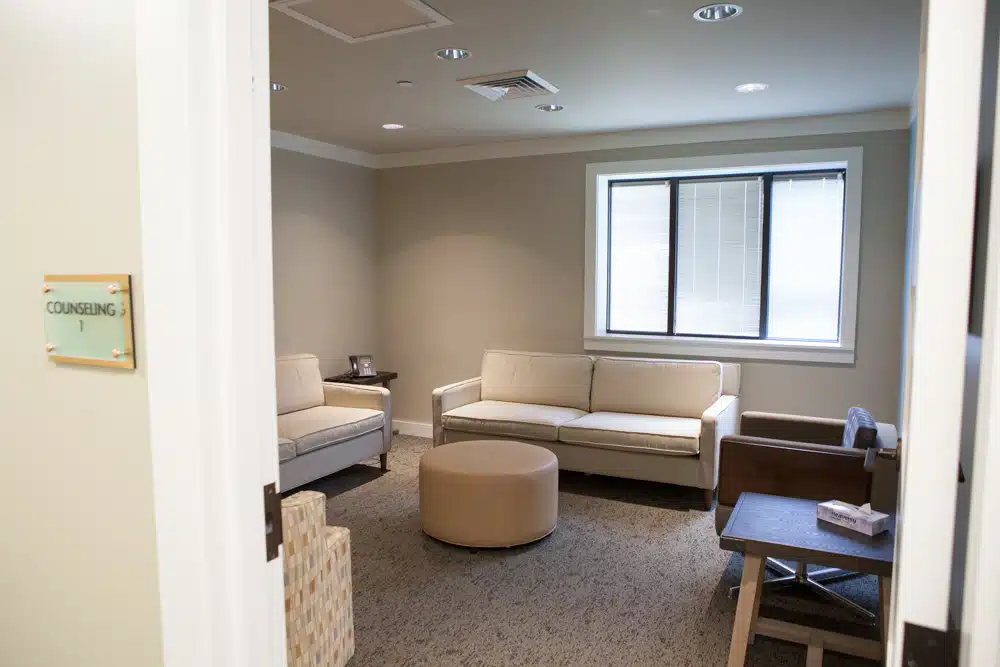
Located in Haverhill, Massachusetts, Serenity at Summit presents an extensive array of services aimed at individuals who are working towards recovery from substance use disorders as well as co-occurring mental health challenges. This facility offers hospital inpatient detoxification alongside various treatment programs, incorporating specialized care for adults facing significant mental health issues and for children experiencing emotional disturbances. The treatment philosophy includes elements such as 12-step facilitation, anger management strategies, and brief interventions designed to cater to the unique requirements of each individual. Serenity at Summit provides customized programs for adult men and women, as well as for those with co-occurring disorders, ensuring that both adults and young adults of all genders receive the support necessary on their journey toward sobriety and improved mental health.
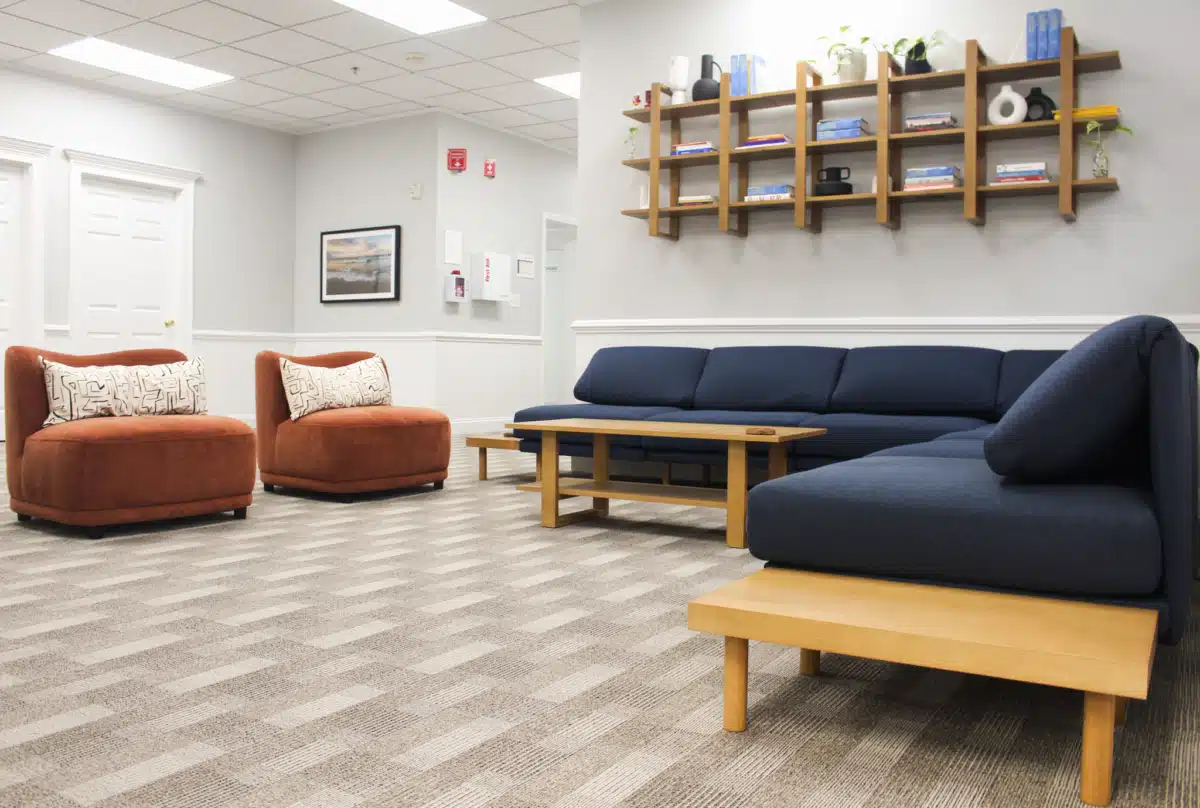
Situated in Quincy, Massachusetts, South Shore Recovery Home provides an array of substance use treatment services alongside transitional housing specifically designed for adult men. This facility emphasizes a secure and nurturing environment, offering hospital inpatient treatment as well as 24-hour inpatient care and long-term residential programs. Treatment is personalized, utilizing evidence-based methods such as 12-step facilitation, anger management, and cognitive behavioral therapy to address the unique needs of each individual. The center also features specialized programs catering to active duty military personnel, adult men, and those who have faced intimate partner violence. By focusing on the recovery needs of adult and senior male clients, South Shore Recovery Home aims to deliver effective support for individuals embarking on their recovery journeys.

Situated in Ashby, Massachusetts, Spring Hill Recovery Center provides a range of substance use treatment options designed for both adults and young adults. The facility fosters a supportive environment, offering residential and short-term residential programs specifically created for individuals facing both substance use challenges and serious mental health disorders. The center features targeted programs for active duty military members, as well as distinct services for adult men and women. Emphasizing methods such as 12-step facilitation, anger management, and brief interventions, Spring Hill Recovery Center is committed to delivering personalized care for both male and female clients, with the intent of promoting effective and sustained recovery.
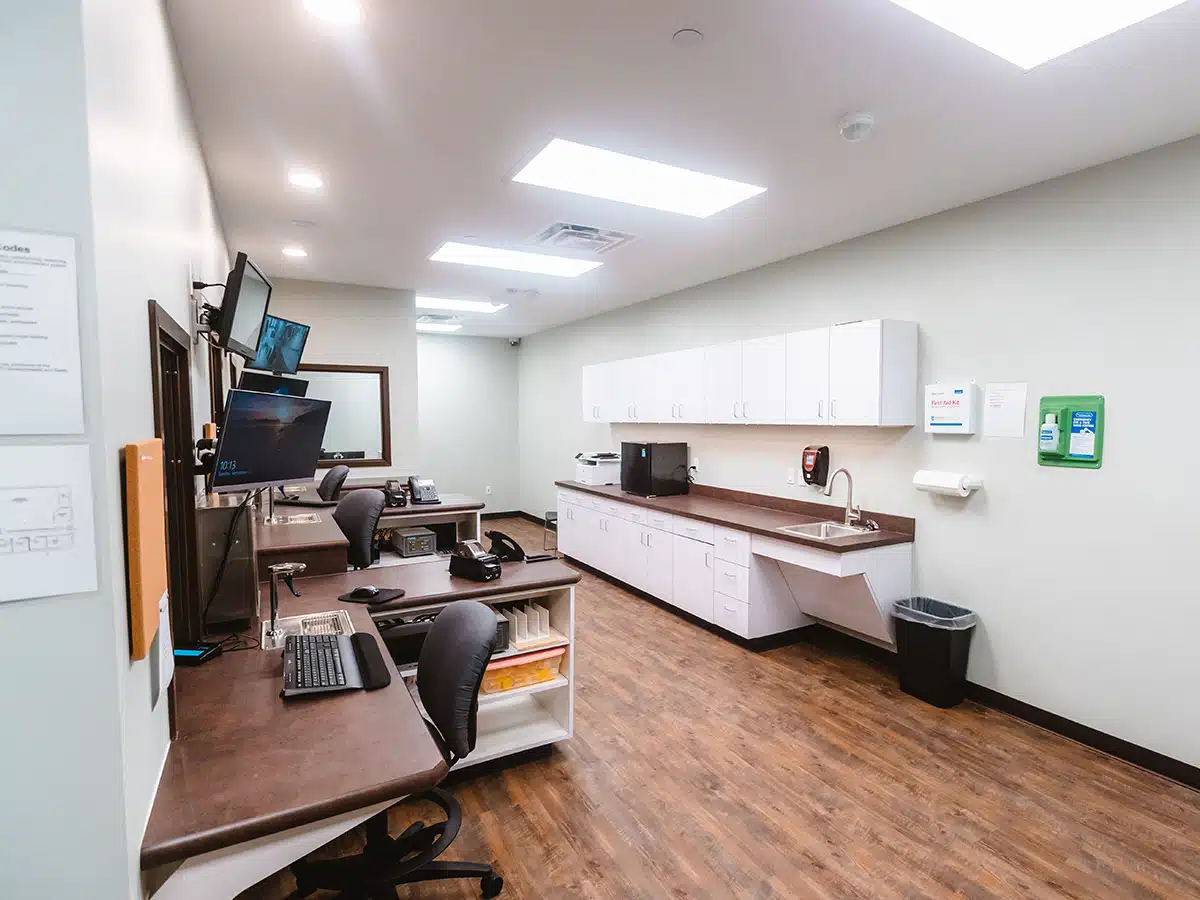
Springfield Comprehensive Treatment Center, situated in Springfield, MA, provides extensive outpatient detoxification alongside various substance use treatment programs. The facility emphasizes 12-step facilitation, anger management, and brief intervention strategies, addressing the needs of both adult men and women, including those living with HIV or AIDS. Targeting adult and young adult demographics, the center offers specialized care designed for both genders. Springfield Comprehensive Treatment Center focuses on developing individualized treatment plans that are customized to the distinct needs of each individual, ensuring that clients receive the supportive care necessary for their recovery journey.
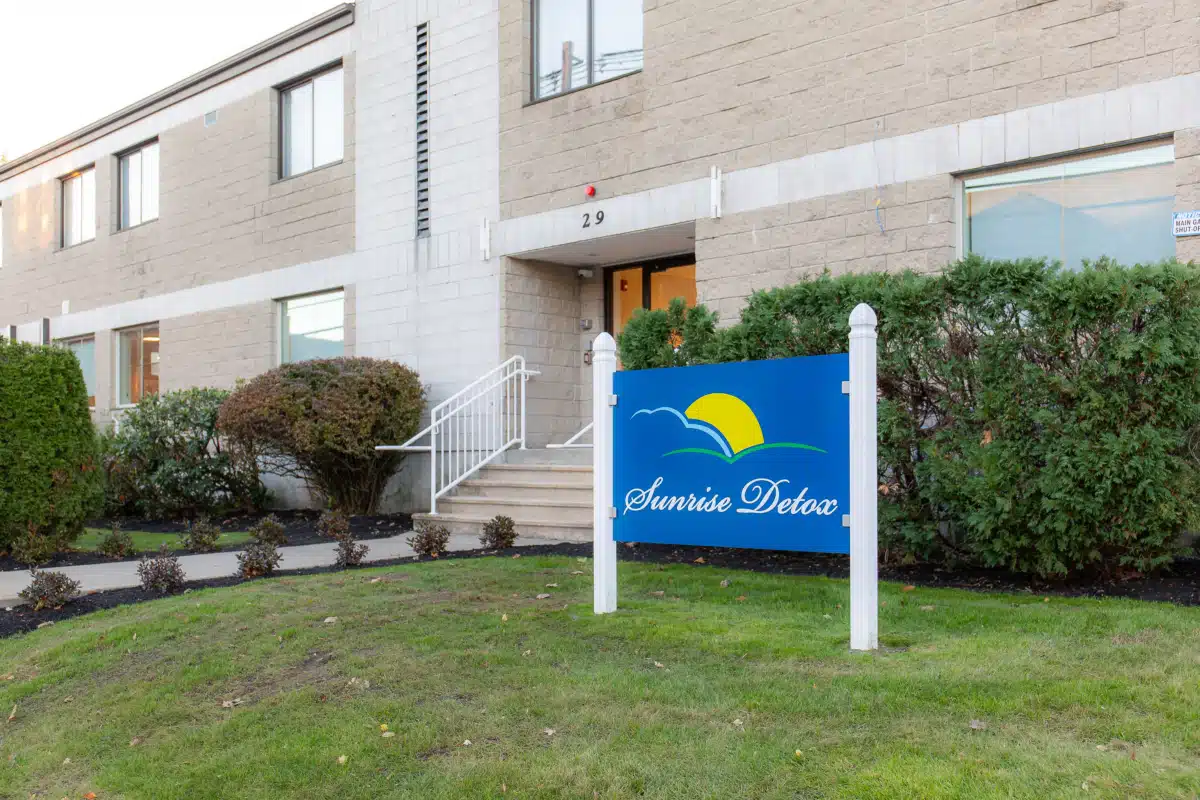
Located in Millbury, MA, Sunrise Detox Millbury LLC provides residential detox services and around-the-clock substance use treatment for both adults and young adults. The facility focuses on addressing co-occurring substance use disorders alongside significant mental health conditions or emotional challenges, particularly in children. Emphasizing personalized care, the treatment program integrates several methodologies, including 12-step facilitation, anger management, and brief intervention strategies. Catering to both male and female clients, Sunrise Detox Millbury LLC is dedicated to delivering a customized treatment experience designed to meet the unique needs of each person. Individuals looking for a thorough and individualized approach to addiction recovery can expect quality care and support at this center.
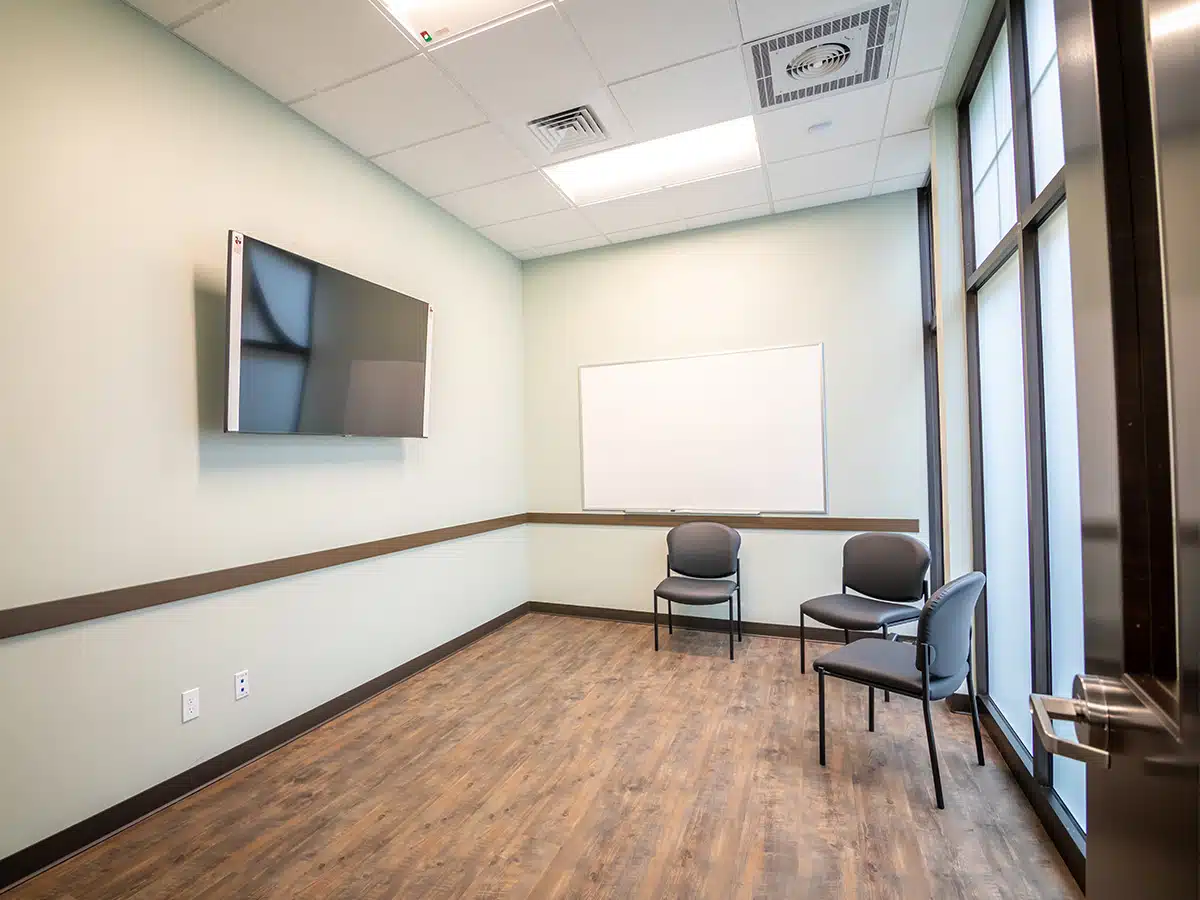
Situated in Taunton, Massachusetts, the Taunton Comprehensive Treatment Center specializes in outpatient services for adult men and women dealing with substance use challenges, including those who also face co-occurring mental health issues. The center employs a variety of evidence-based treatment methods, such as cognitive behavioral therapy, motivational interviewing, and contingency management. Recognizing the unique needs of each individual, the facility offers tailored programs for both adults and young adults, ensuring a personalized approach to care. In addition to standard outpatient services, the center provides treatment options that include methadone, buprenorphine, or naltrexone, all aimed at facilitating comprehensive healing. The Taunton Comprehensive Treatment Center prioritizes a compassionate and effective treatment experience, demonstrating a commitment to helping individuals navigate their recovery journeys.
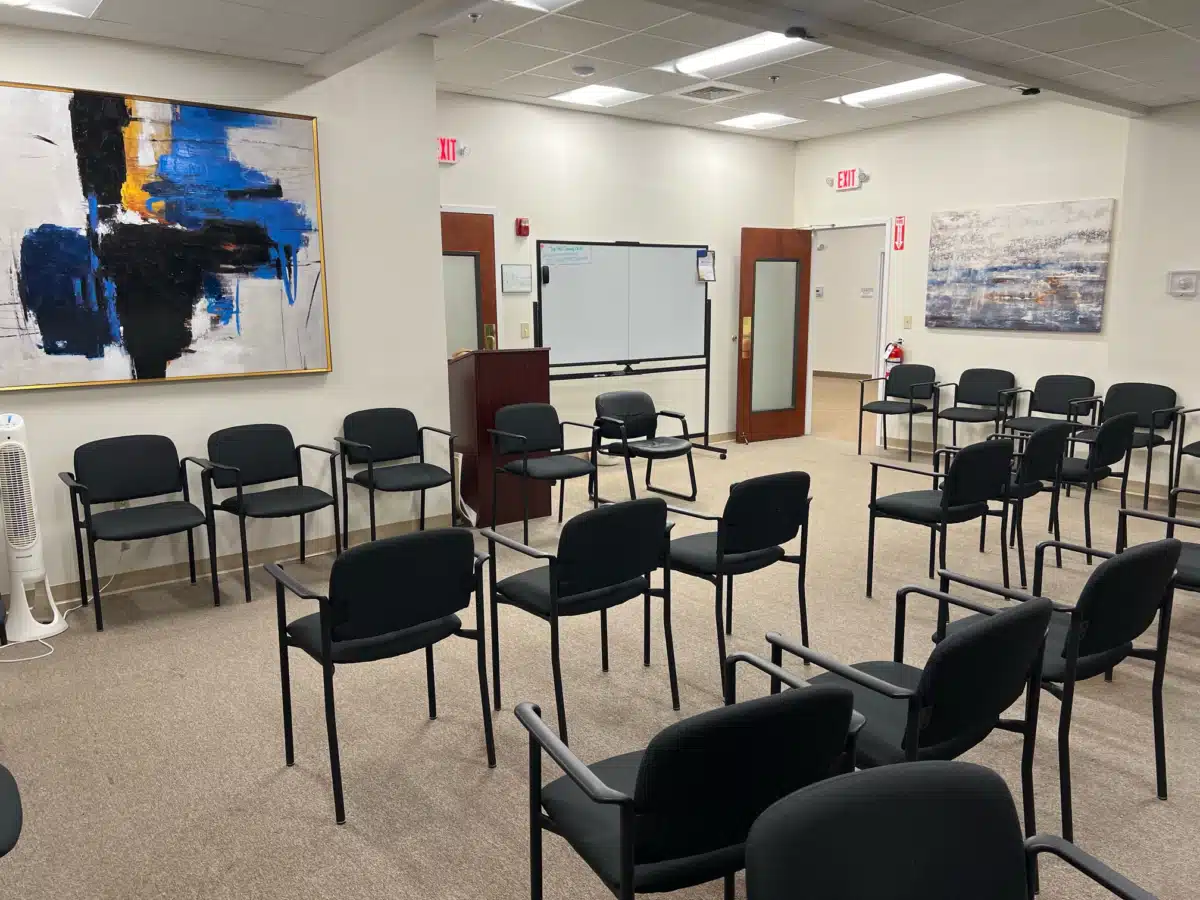
Topsail Addiction Treatment Inc, situated in North Andover, MA, specializes in providing a range of substance use treatment options for both adults and young adults. The facility offers various levels of care, including intensive outpatient treatment, outpatient programs, and partial hospitalization services. With an emphasis on methodologies such as 12-step facilitation, anger management, and brief interventions, Topsail Addiction Treatment is equipped to serve active duty military personnel as well as both men and women. The center is committed to accommodating individuals of all genders and strives to deliver personalized care that meets the distinct needs of each client. For those looking for focused addiction treatment in a caring and supportive atmosphere, Topsail Addiction Treatment is available to assist.
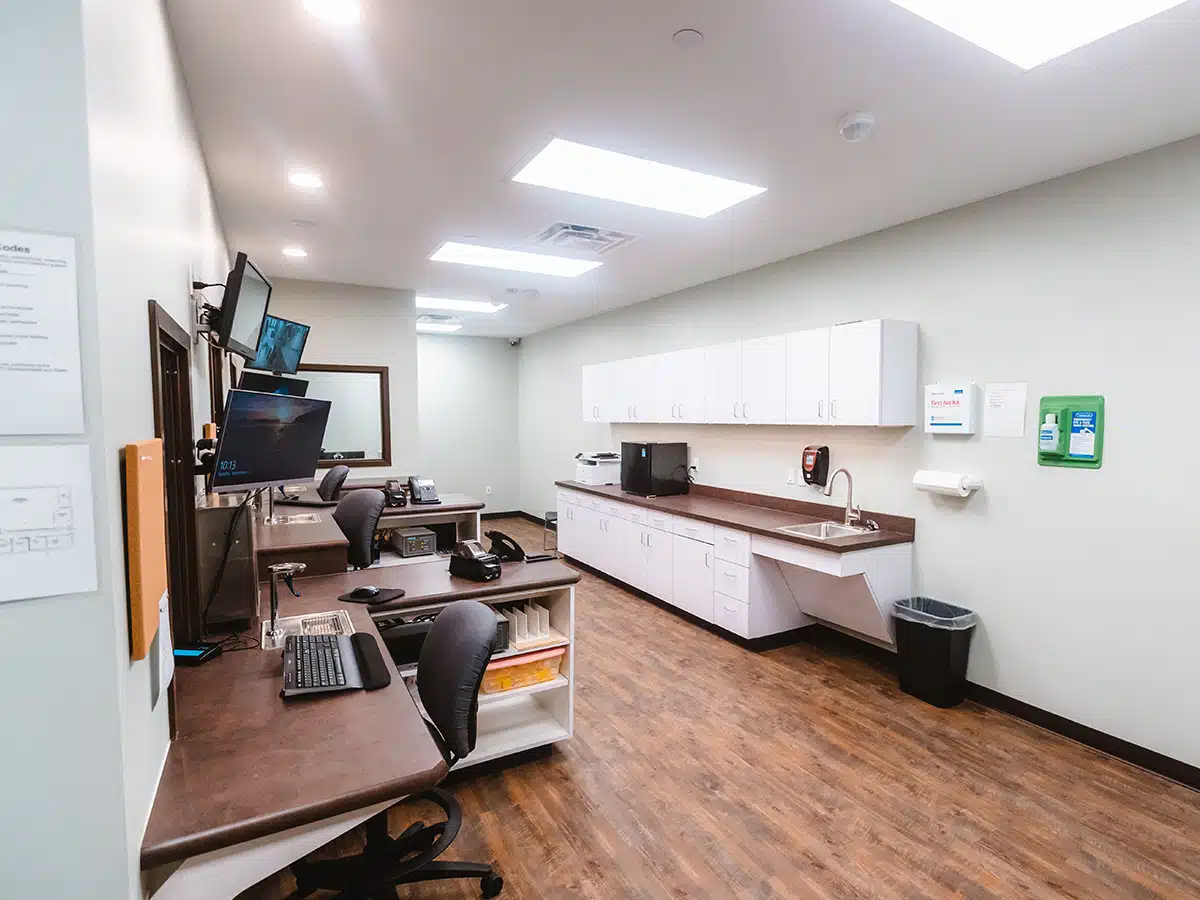
Tower Hill Recovery Home, situated in Lawrence, MA, provides comprehensive substance use treatment and transitional housing specifically for adult men. The facility is designed to assist individuals grappling with co-occurring substance use disorders and significant mental health challenges. To support this population, Tower Hill employs evidence-based methodologies, including cognitive behavioral therapy and motivational interviewing techniques. In addition, the programs cater to various groups, such as active duty military personnel, adult males, and those who have experienced intimate partner violence. Emphasizing long-term residential care, Tower Hill Recovery Home creates a secure and nurturing atmosphere for individuals aiming for enduring recovery. The facility is committed to delivering thorough and quality care, helping clients work towards sustainable sobriety.
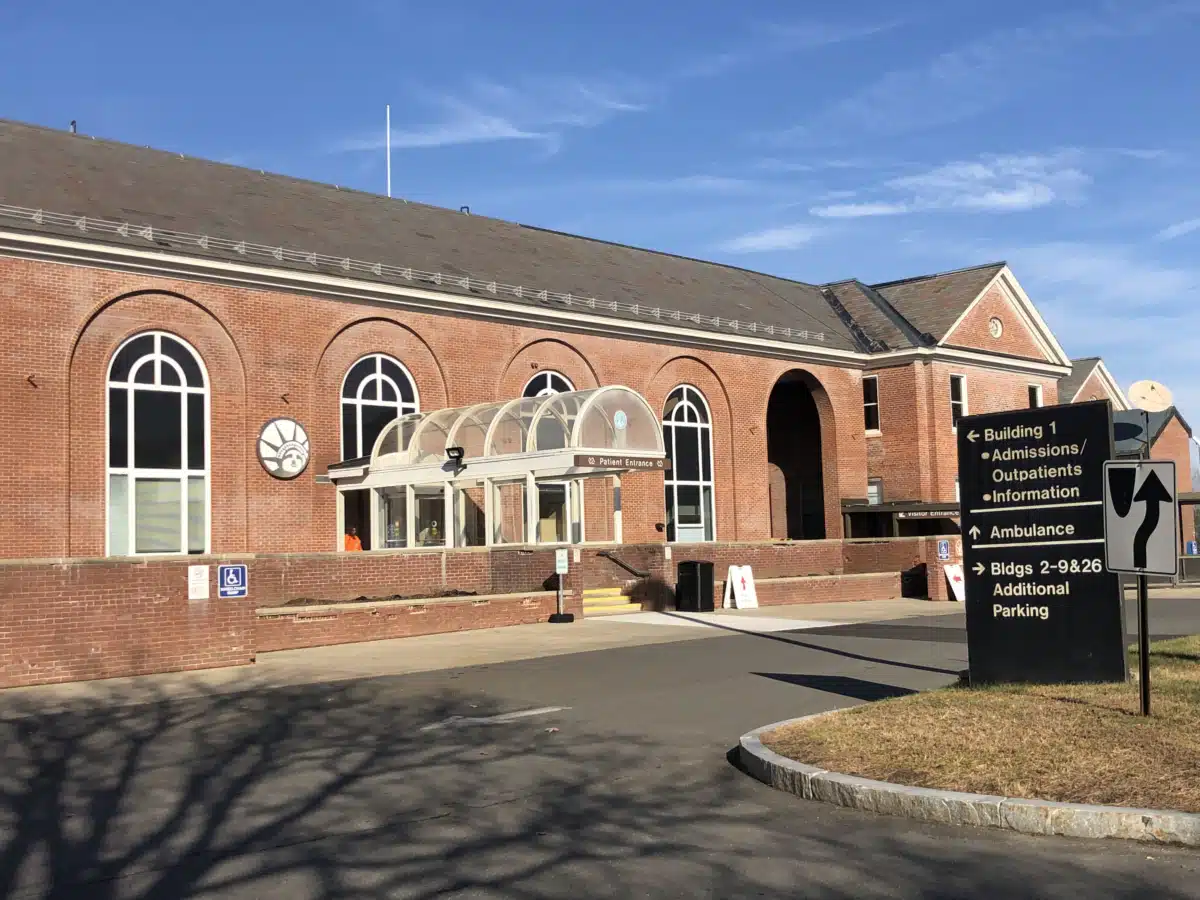
VA Central Western MA HCS, located in Leeds, MA, provides targeted rehabilitation services for both adults and young adults facing challenges related to substance use and concurrent mental health conditions. The facility offers extensive treatment options, including hospital inpatient detoxification along with around-the-clock care. Emphasizing a range of therapeutic approaches such as cognitive behavioral therapy, anger management, and brief interventions, the center customizes its programs to meet the unique needs of each individual. Additionally, specific programs are designed to serve adult men and women, as well as clients with a background of sexual abuse. This commitment to high-quality care and gender-sensitive treatment positions the center as a significant support system for individuals in search of empathetic addiction rehabilitation services.

Situated in Dorchester, Massachusetts, Victory Programs Inc is dedicated to providing long-term residential treatment for adult men dealing with substance use issues. The facility emphasizes the importance of a safe and supportive setting, which is key in helping participants on their recovery journey. Their approach incorporates various therapeutic modalities, including 12-step facilitation, anger management, and cognitive behavioral therapy, specifically designed for individuals who have faced challenges such as intimate partner violence, domestic violence, and sexual abuse. In addition to its core treatment programs, Victory Programs Inc offers transitional housing options within a sober living environment. This resource is particularly beneficial for adult, senior, and young adult males who are committed to pursuing recovery. The organization prioritizes the creation of personalized treatment plans, reflecting a holistic view of rehabilitation that addresses the unique needs of each client.
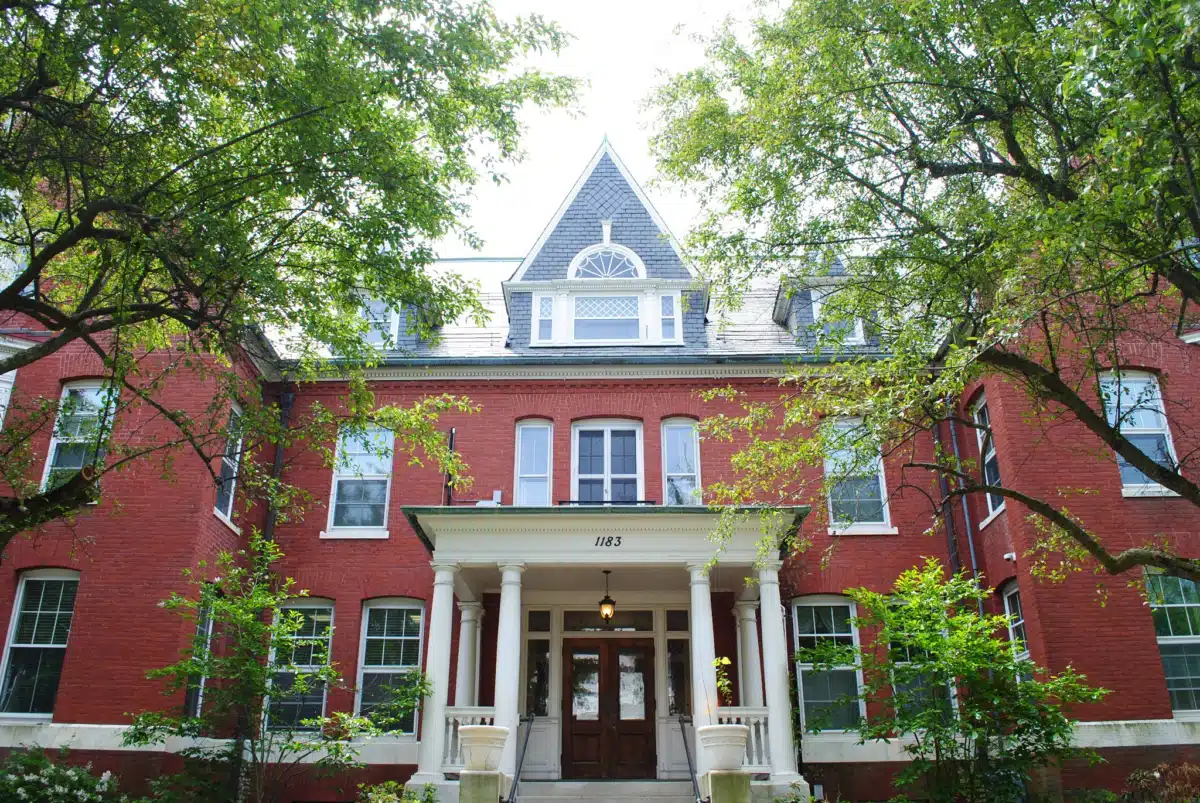
Situated in Worcester, Massachusetts, Washburn House provides a wide array of treatment options aimed at supporting adults and young adults facing challenges related to substance use. The facility focuses on individuals dealing with both substance use disorders and concurrent serious mental health issues. Among the treatment modalities offered are intensive outpatient programs, outpatient day treatment, and partial hospitalization, all designed to meet the diverse needs of clients. At Washburn House, evidence-based methodologies, such as 12-step facilitation, anger management, and brief interventions, are employed to deliver effective care. The facility features specialized programs tailored to adult men, adult women, and individuals with co-occurring conditions, ensuring that each person receives the support that best matches their specific circumstances. Both male and female clients are welcomed, fostering an inclusive environment for those seeking compassionate and effective treatment for addiction.

Situated in Mattapan, MA, the Boston Public Health Commission provides a range of substance use treatment programs specifically designed for adult women. This facility delivers hospital inpatient care, around-the-clock inpatient services, and long-term residential options. Employing evidence-based methods, including 12-step facilitation, anger management, and cognitive behavioral therapy, the center addresses the needs of individuals who have faced issues such as intimate partner violence, domestic abuse, and sexual assault. By concentrating on adult, senior, and young adult populations, the center fosters a supportive atmosphere for women who are pursuing effective rehabilitation services.
CleanSlate Centers, located in New Bedford, MA, provides outpatient treatment programs designed for individuals dealing with substance use disorders. The center specializes in the administration of methadone or buprenorphine, as well as naltrexone treatment. To facilitate recovery, the team utilizes motivational interviewing techniques, relapse prevention strategies, and counseling specifically tailored to address substance use challenges. Focusing on personalized care, CleanSlate Centers serves both adults and young adults of all genders. The facility is designed to foster a safe and supportive atmosphere for those in need of assistance with addiction, offering quality care and customized treatment plans that support individuals along their path to sobriety.
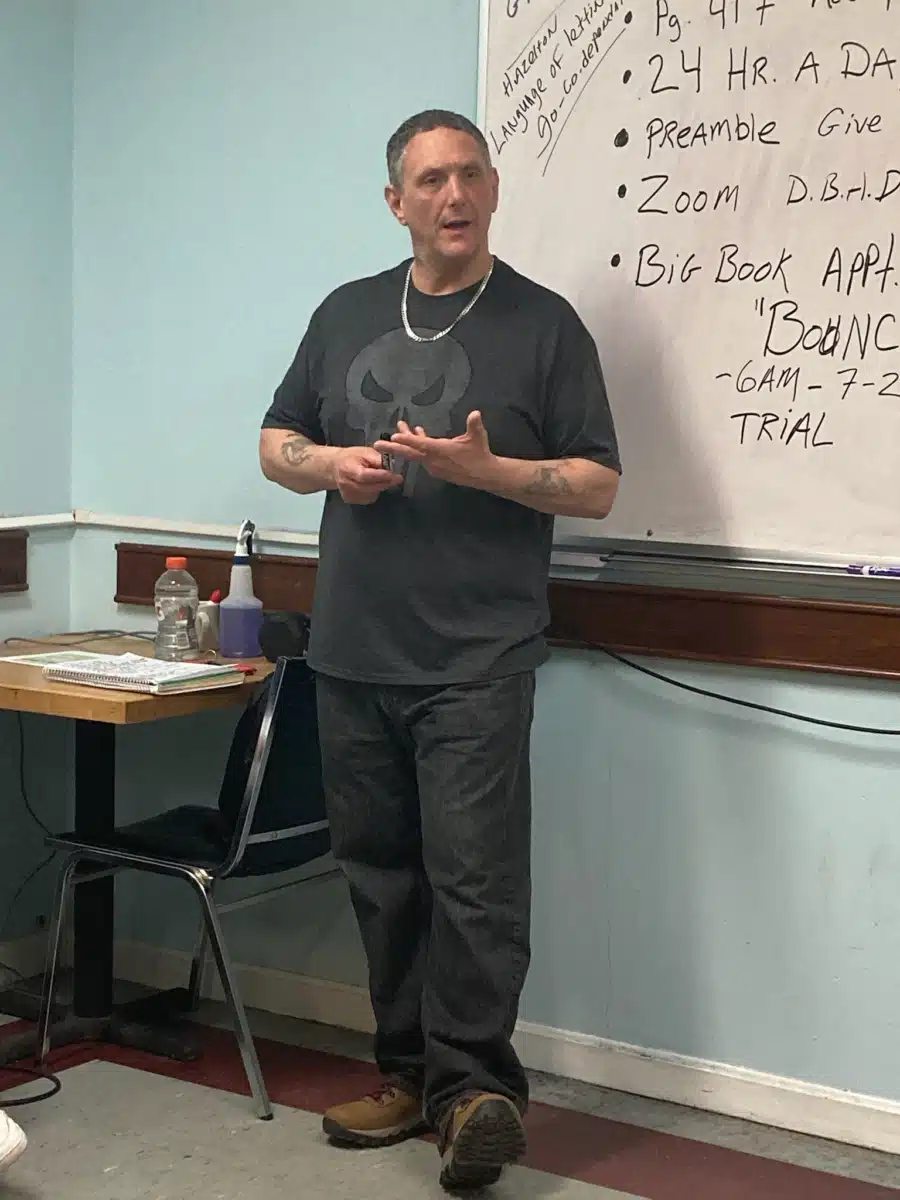
Situated in Dorchester, Massachusetts, the Gavin Foundation provides long-term and 24-hour residential treatment for adult men dealing with substance use issues. The facility emphasizes techniques such as 12-step facilitation, anger management, and brief intervention strategies to support recovery. Notably, the foundation offers specialized programs intended for seniors or older adults, ensuring that this age group receives appropriate and tailored care. With a primary focus on adults, seniors, and young adults, the center is dedicated to delivering quality services designed for male clients. The comprehensive array of services and individualized treatment plans available at the Gavin Foundation make it a viable option for individuals seeking specialized care in addiction recovery.
Situated in Boston, MA, the Gavin Foundation provides long-term residential and round-the-clock residential substance use treatment programs designed specifically for adult males and seniors. This facility places a strong emphasis on catering to the unique needs of older adults, while also offering support to young adults who are facing challenges related to addiction. The center employs a variety of approaches, including 12-step facilitation, anger management, and brief intervention strategies, ensuring that individuals receive well-rounded support throughout their recovery journey. The gender-specific program for male clients is aimed at delivering individualized care in a nurturing environment, fostering conditions that are conducive to sustaining sobriety. Through its dedication to providing quality treatment, the Gavin Foundation serves as a valuable resource for those committed to achieving recovery.
Haven Detox is situated in Worcester, MA, and presents a wide array of services aimed at individuals pursuing recovery from substance use disorders alongside co-occurring mental health challenges. This facility offers hospital inpatient detoxification and treatment programs, employing methodologies like 12-step facilitation, anger management, and brief intervention. Specialized programs are available for active duty military personnel as well as adult men and women, allowing Haven Detox to address the needs of a varied clientele. The center serves both adults and young adults, regardless of gender, and focuses on delivering high-quality care and personalized treatment plans that support sustainable recovery efforts.
About 12-Step Programs
Twelve-step programs are the most widely available and recognized form of mutual support for addiction recovery worldwide. Founded with Alcoholics Anonymous (AA) in 1935 by Bill Wilson and Dr. Bob Smith, the 12-step model has expanded to address virtually every form of addiction — including Narcotics Anonymous (NA), Cocaine Anonymous (CA), Gamblers Anonymous (GA), and many others. Massachusetts has one of the most active 12-step communities in the country, with thousands of meetings held across the state each week.
What Are 12-Step Programs?
Twelve-step programs are free, peer-led support groups based on a set of guiding principles for recovery from addiction. The programs are built on the philosophy that addiction is a chronic condition that can be managed through spiritual growth, honest self-examination, service to others, and mutual support.
Key features include: voluntary participation, anonymity, no professional leaders (meetings are run by members), no dues or fees, and availability in virtually every community. While originally developed for alcohol addiction, the 12-step framework has been adapted for all substance use and behavioral addictions.
The 12 Steps Explained
The twelve steps outline a path from active addiction to sustained recovery. While the language references a "Higher Power" or "God," many members interpret this broadly — as nature, the group itself, the universe, or any force greater than the individual:
- Steps 1-3 (Surrender): Admitting powerlessness over addiction, believing recovery is possible, and deciding to seek help beyond oneself
- Steps 4-7 (Self-examination): Taking an honest moral inventory, sharing it with another person, becoming ready to address character defects, and asking for help in doing so
- Steps 8-9 (Making amends): Listing people harmed by addiction and making direct amends where possible, except when doing so would cause further harm
- Steps 10-12 (Maintenance and service): Continuing personal inventory, seeking spiritual growth, and carrying the message of recovery to others
Meetings in Massachusetts
Massachusetts offers an extensive network of 12-step meetings:
- Alcoholics Anonymous (AA): Thousands of weekly meetings across every Massachusetts community — morning, afternoon, evening, and late-night options available
- Narcotics Anonymous (NA): Hundreds of meetings focused on drug addiction recovery, available throughout the state
- Meeting types: Open meetings (anyone can attend), closed meetings (for those with a desire to stop using), speaker meetings (a member shares their story), discussion meetings, and step study groups
- Special focus meetings: Young people, women-only, men-only, LGBTQ+, Spanish-speaking, and beginners meetings are widely available
- Virtual meetings: Online meetings expanded dramatically and remain a permanent option for those who prefer remote attendance
12-Step vs. Other Approaches
12-step programs and clinical treatment serve different but complementary roles:
- 12-step programs provide ongoing, lifelong peer support, community, accountability, and a spiritual/philosophical framework for recovery
- Professional treatment (CBT, DBT, MAT) provides evidence-based clinical interventions, medical care, and structured therapy
- Best outcomes often result from combining both — professional treatment for the clinical components and 12-step involvement for long-term community support
For those who prefer a non-spiritual or science-based approach, SMART Recovery provides an alternative mutual support model based on cognitive-behavioral principles.
It is important to note that 12-step programs are compatible with medication-assisted treatment. The official positions of both AA and NA state that prescribed medications are a personal medical decision, not a violation of sobriety. MAT-friendly meetings are increasingly common in Massachusetts.
Research on 12-Step Effectiveness
A landmark 2020 Cochrane review — the gold standard of medical evidence reviews — found that AA and Twelve-Step Facilitation (TSF) therapy are as effective as other established treatments like CBT at reducing alcohol consumption, and may be superior in producing continuous abstinence and reducing healthcare costs. The study analyzed 27 clinical trials involving over 10,000 participants. Active 12-step participation — attending meetings regularly, getting a sponsor, and working the steps — is associated with the strongest outcomes.
Frequently Asked Questions
Do I have to be religious to attend 12-step meetings?
No. While the steps reference a "Higher Power," many members are agnostic or atheist and interpret this concept personally — as the group, nature, science, or simply something beyond individual willpower. Many areas offer agnostic/atheist-specific meetings.
What happens at a 12-step meeting?
Meetings typically last one hour. They usually include a reading of recovery-related literature, sharing by members (you are never required to speak), and fellowship before and after. There are no attendance records, no fees, and no commitment required. You can simply listen.
How often should I attend meetings?
In early recovery, the common suggestion is "90 meetings in 90 days" — attending daily to build a strong foundation. Over time, frequency varies by individual need. Many long-term members attend 2-3 meetings per week. The key is consistency rather than a specific number.
What is a sponsor?
A sponsor is a more experienced member who guides a newcomer through the 12 steps. Sponsors provide one-on-one support, accountability, and practical wisdom from their own recovery experience. Getting a sponsor is strongly encouraged but not required.
Are 12-step meetings confidential?
Yes. Anonymity is a foundational principle. What is shared in meetings stays in meetings. Members use first names only and are expected to protect each other's anonymity outside the meeting.
For more information and to find meetings:
- Alcoholics Anonymous — Find a Meeting
- Narcotics Anonymous — Meeting Search
- SAMHSA National Helpline — 1-800-662-4357
Find treatment centers that incorporate 12-step programming through our Massachusetts directory, or call the Massachusetts Substance Use Helpline at 1-800-327-5050.