
Residential Treatment Treatment Centers
Residential treatment programs provide intensive, round-the-clock care in a structured environment. Patients live at the facility and receive comprehensive therapy, counseling, and support.
Found 41 residential treatment treatment centers across Massachusetts.
Last reviewed: March 27, 2026
Want us to find the perfect facility for you?
Call now - it's completely free!
Showing 1 of 41 residential treatment treatment centers
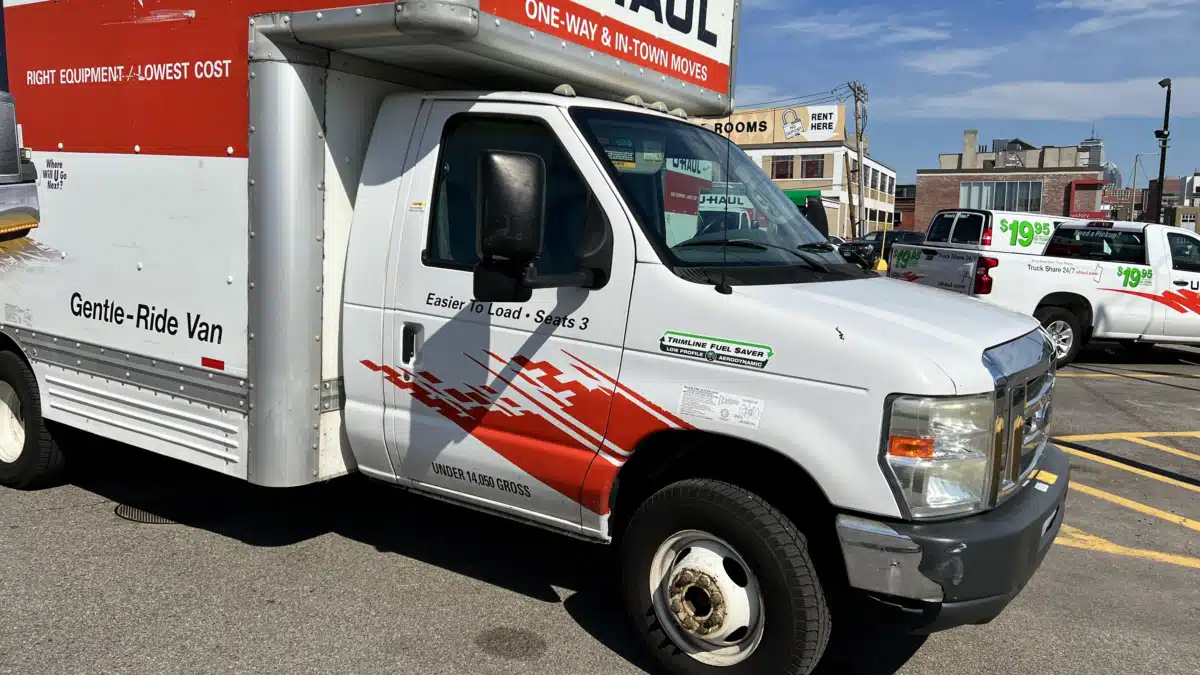
Situated in Dorchester, Massachusetts, Victory Programs Inc is dedicated to providing long-term residential treatment for adult men dealing with substance use issues. The facility emphasizes the importance of a safe and supportive setting, which is key in helping participants on their recovery journey. Their approach incorporates various therapeutic modalities, including 12-step facilitation, anger management, and cognitive behavioral therapy, specifically designed for individuals who have faced challenges such as intimate partner violence, domestic violence, and sexual abuse. In addition to its core treatment programs, Victory Programs Inc offers transitional housing options within a sober living environment. This resource is particularly beneficial for adult, senior, and young adult males who are committed to pursuing recovery. The organization prioritizes the creation of personalized treatment plans, reflecting a holistic view of rehabilitation that addresses the unique needs of each client.
About Residential Treatment
Residential treatment — also known as inpatient rehab — provides 24-hour structured care in a substance-free environment. Residents live at the treatment facility for 30, 60, or 90 days (or longer), participating in intensive therapeutic programming that addresses the physical, psychological, and behavioral aspects of addiction. Residential treatment is widely considered the most effective level of care for moderate to severe substance use disorders, offering the immersive focus that outpatient programs cannot match.
What Is Residential Rehab?
Residential treatment removes individuals from the environments, relationships, and triggers associated with their substance use, allowing them to focus entirely on recovery. Programs are staffed by multidisciplinary teams including addiction counselors, therapists, psychiatrists, nurses, and peer recovery specialists.
Residential programs typically include:
- Individual therapy (typically 2-3 sessions per week) using evidence-based approaches like CBT and DBT
- Group therapy (daily sessions addressing topics like relapse prevention, coping skills, and life skills)
- Psychiatric evaluation and medication management for co-occurring mental health disorders
- Medication-assisted treatment for opioid and alcohol use disorders
- Family therapy and education programs
- Holistic therapies — mindfulness, yoga, art and music therapy, fitness
- Life skills training — budgeting, job readiness, healthy cooking, communication
- 12-step or SMART Recovery meetings
- Aftercare and discharge planning
A Typical Day in Residential Treatment
While schedules vary by program, a typical day might include:
- 7:00 AM: Wake up, morning meditation or mindfulness practice
- 7:30 AM: Breakfast
- 8:30 AM: Morning group therapy session
- 10:00 AM: Individual therapy or psychiatric appointment
- 11:30 AM: Skill-building workshop (coping skills, relapse prevention, communication)
- 12:30 PM: Lunch and free time
- 2:00 PM: Afternoon group therapy or specialized programming (trauma group, gender-specific group)
- 3:30 PM: Recreation, exercise, or holistic therapy
- 5:00 PM: Dinner
- 6:30 PM: 12-step meeting or SMART Recovery meeting
- 8:00 PM: Journaling, peer support, or free time
- 10:00 PM: Lights out
30, 60, or 90 Days: How to Choose
The National Institute on Drug Abuse recommends a minimum of 90 days of treatment for significant, lasting improvement. However, the right duration depends on individual circumstances:
- 30 days: May be appropriate for individuals with shorter addiction histories, strong support systems, and mild to moderate severity. Often followed by step-down to PHP or IOP.
- 60 days: Allows deeper therapeutic work and more time for the brain to heal. Recommended for moderate addiction with co-occurring issues.
- 90 days: The research-supported gold standard. Allows comprehensive treatment of addiction and co-occurring disorders, establishment of new habits, and thorough aftercare planning. Strongly recommended for severe addiction, chronic relapse, or complex dual diagnosis.
- 90+ days: Long-term residential programs lasting 6-12 months may be appropriate for individuals with chronic relapse, homelessness, or significant legal involvement.
Residential vs. Hospital Inpatient
Residential treatment and hospital inpatient treatment are different levels of care:
- Hospital inpatient is for acute medical and psychiatric crises — active detox, suicidal ideation, psychotic episodes, or severe medical complications. Stays are typically shorter (days to weeks).
- Residential treatment is for rehabilitation after medical stabilization — intensive therapeutic programming in a home-like environment. Stays are longer (30-90+ days) and focus on building recovery skills and addressing underlying issues.
Frequently Asked Questions
Can I use my phone during residential treatment?
Policies vary. Many programs restrict phone and internet use, especially in early treatment, to minimize distractions and outside triggers. Some allow limited phone time for family contact. This structure, while challenging, supports focus on recovery.
What about my job?
The Family and Medical Leave Act (FMLA) provides up to 12 weeks of job-protected leave for substance use treatment. The Americans with Disabilities Act also provides protections. Many individuals find that investing in residential treatment saves their career long-term, even if it requires a short-term leave.
Can I leave if I want to?
Voluntary residential treatment programs allow individuals to leave at any time — you are not locked in. However, staff will discuss the risks of leaving early and help you make an informed decision. Completing the full recommended program significantly improves outcomes.
Does insurance cover residential treatment?
Yes. MassHealth and most commercial insurance plans cover residential treatment when medically necessary. Length of stay may be subject to utilization review — your treatment team will work with your insurance company to authorize continued care as needed.
What happens after residential treatment?
Comprehensive aftercare planning begins well before discharge and typically includes step-down to PHP, IOP, or outpatient therapy; ongoing MAT management; connection to 12-step or SMART Recovery meetings; sober living arrangements if appropriate; and alumni program participation.
For more information:
Find residential treatment programs in Massachusetts through our directory, or call the Massachusetts Substance Use Helpline at 1-800-327-5050.