
PTSD Rehab Centers
PTSD treatment addresses trauma-related symptoms that often co-occur with substance use disorders, using specialized trauma-informed therapies.
Found 41 rehab centers specializing in ptsd across Massachusetts.
Last reviewed: March 27, 2026
Want us to find the perfect facility for you?
Call now - it's completely free!
Showing 1 of 41 ptsd rehab centers
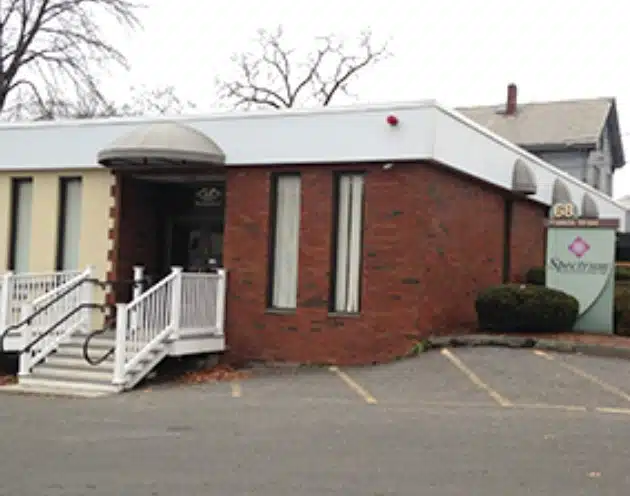
Situated in Millbury, Massachusetts, Spectrum Health Systems Inc provides a range of services focused on the treatment of substance use disorders for both adults and young adults. This facility is particularly equipped to address co-occurring substance use and severe mental health issues in adults, as well as emotional challenges in children. With treatment modalities that include outpatient services, methadone and buprenorphine maintenance, as well as naltrexone options, Spectrum Health Systems Inc emphasizes personalized treatment through techniques such as 12-step facilitation, cognitive behavioral therapy, and brief intervention strategies. The facility serves both men and women, along with clients who have faced trauma. By fostering a supportive atmosphere, Spectrum Health Systems Inc commits to aiding individuals on their path to sustained recovery.
About PTSD Treatment
Post-Traumatic Stress Disorder (PTSD) and substance use disorders are deeply intertwined. The U.S. Department of Veterans Affairs estimates that between 25-75% of individuals who survive traumatic experiences develop problematic alcohol or drug use. In Massachusetts, where trauma-informed care has become a cornerstone of behavioral health services, specialized programs offer integrated treatment for individuals struggling with both PTSD and addiction.
PTSD and Substance Abuse: A Trauma-Informed Perspective
PTSD develops after exposure to a traumatic event — such as combat, sexual assault, physical abuse, accidents, natural disasters, or witnessing violence. The brain's response to trauma fundamentally alters the stress-response system, leaving individuals in a state of hyperarousal and emotional dysregulation that makes substance use a powerful, if ultimately destructive, coping mechanism.
The connection between PTSD and substance use operates through several pathways:
- Self-medication: Alcohol, opioids, and benzodiazepines temporarily reduce hyperarousal, intrusive memories, and emotional pain
- Numbing: Substances provide escape from emotional numbness and detachment — paradoxically, some individuals use stimulants to feel "alive" again
- Sleep disturbances: Nightmares and insomnia drive use of alcohol, marijuana, or sedatives to achieve sleep
- Avoidance: Substance use becomes a way to avoid trauma-related triggers and memories
- Neurobiological overlap: Trauma and addiction both affect the brain's dopamine, norepinephrine, and cortisol systems
Symptoms and Diagnosis
PTSD symptoms fall into four main categories, each of which can be complicated by substance use:
- Re-experiencing: Flashbacks, nightmares, intrusive memories, and intense emotional or physical reactions to trauma reminders
- Avoidance: Avoiding people, places, thoughts, or feelings associated with the trauma — substance use often serves this function
- Negative changes in cognition and mood: Persistent negative beliefs about oneself or the world, feelings of detachment, inability to experience positive emotions, guilt, and shame
- Hyperarousal: Being easily startled, difficulty concentrating, irritability, angry outbursts, hypervigilance, and sleep disturbances
Diagnosing PTSD in individuals with active substance use can be challenging because withdrawal symptoms and substance effects can mimic PTSD symptoms. Skilled clinicians conduct thorough assessments to distinguish between conditions and develop appropriate treatment plans.
Evidence-Based Treatments for PTSD
Massachusetts treatment programs offer several trauma-specific therapies that are effective for co-occurring PTSD and substance use:
Eye Movement Desensitization and Reprocessing (EMDR)
EMDR is a specialized therapy that helps the brain reprocess traumatic memories using bilateral stimulation (typically eye movements). The traumatic memory becomes less emotionally charged while the factual memory remains intact. EMDR has strong research support from the World Health Organization and the American Psychological Association, and can produce results in fewer sessions than traditional talk therapy.
Cognitive Processing Therapy (CPT)
CPT is a structured 12-session therapy that helps individuals challenge and change unhelpful beliefs related to their trauma — such as "It was my fault" or "The world is completely unsafe." By modifying these trauma-related cognitive distortions, CPT reduces PTSD symptoms and the drive to use substances for emotional relief.
Prolonged Exposure Therapy (PE)
PE involves gradually and safely confronting trauma-related memories and situations that have been avoided. Through repeated, controlled exposure, the emotional intensity of these memories decreases over time. PE is one of the most extensively studied PTSD treatments with strong evidence of effectiveness.
Seeking Safety
Specifically designed for co-occurring PTSD and substance use, Seeking Safety focuses on establishing safety — in relationships, thinking, behavior, and emotions — as the foundation for recovery. It teaches coping skills for both trauma responses and substance cravings without requiring detailed discussion of traumatic events.
Additional Treatment Approaches
- CBT for trauma: Addresses the thinking patterns that maintain both PTSD and addiction
- DBT: Teaches emotional regulation and distress tolerance skills critical for trauma survivors
- Somatic experiencing: Body-based therapy that helps release trauma stored in the nervous system
- Mindfulness-based practices: Help individuals stay present rather than being pulled into traumatic memories or future fears
- Art and music therapy: Non-verbal approaches that can help express trauma that is difficult to put into words
- Medication management: SSRIs (sertraline, paroxetine) are FDA-approved for PTSD; prazosin may help with nightmares
Veterans and First Responders Resources in Massachusetts
Massachusetts has extensive resources for veterans and first responders — populations with elevated PTSD and substance use risk:
- VA Healthcare System: The Bedford and Jamaica Plain VA Medical Centers offer specialized PTSD and substance use treatment programs
- Massachusetts National Guard: Offers service members behavioral health resources and peer support
- First Responder Programs: Several Massachusetts treatment centers offer programs specifically designed for police, fire, and EMS personnel who face unique occupational trauma
- Peer Support: Veteran-specific and first responder peer support groups provide understanding from individuals with shared experiences
- Veterans Crisis Line: Call 988, then press 1, for immediate crisis support
Frequently Asked Questions
Do I need to talk about my trauma in detail during treatment?
Not necessarily, especially in early treatment. Approaches like Seeking Safety and initial stabilization focus on building safety and coping skills without requiring detailed trauma processing. As treatment progresses and trust is established, trauma-focused therapies like EMDR and CPT may be introduced at a pace you are comfortable with.
Should I treat my PTSD or addiction first?
Research strongly supports integrated treatment — addressing both simultaneously. Treating addiction without addressing PTSD leaves trauma triggers active, making relapse likely. Treating PTSD without addressing addiction means the individual may lack the stability needed to engage in trauma therapy. Medical detox may be the first clinical step, but PTSD treatment should begin as soon as safely possible.
Can PTSD be cured?
While PTSD may not be completely "cured" for everyone, evidence-based treatments can significantly reduce symptoms and restore quality of life. Many individuals experience substantial improvement and no longer meet diagnostic criteria for PTSD after completing treatment. Recovery is a process, and ongoing support helps maintain gains.
Is PTSD only a veteran condition?
No. While PTSD is commonly associated with military combat, it can develop after any traumatic experience — including sexual assault, childhood abuse, domestic violence, serious accidents, natural disasters, and witnessing violence. PTSD affects people of all ages, genders, and backgrounds.
Does insurance cover PTSD and addiction treatment?
Yes. Under federal parity laws and Massachusetts state law, health insurance plans — including MassHealth — must cover mental health and substance use treatment at the same level as medical care. Integrated PTSD and addiction treatment is covered at all levels of care.
For more information about PTSD and co-occurring substance use:
- U.S. Department of Veterans Affairs — National Center for PTSD
- National Institute of Mental Health — PTSD
- SAMHSA National Helpline — 1-800-662-4357
Healing from trauma and addiction is possible. Browse our directory of Massachusetts treatment centers to find programs with trauma-informed, integrated care, or call the Massachusetts Substance Use Helpline at 1-800-327-5050 for confidential support.