
Prescription Drug Abuse Rehab Centers
Prescription drug abuse treatment addresses dependency on medications like benzodiazepines, stimulants, and pain medications when used outside medical guidance.
Found 331 rehab centers specializing in prescription drug abuse across Massachusetts.
Last reviewed: March 27, 2026
Want us to find the perfect facility for you?
Call now - it's completely free!
Showing 20 of 331 prescription drug abuse rehab centers
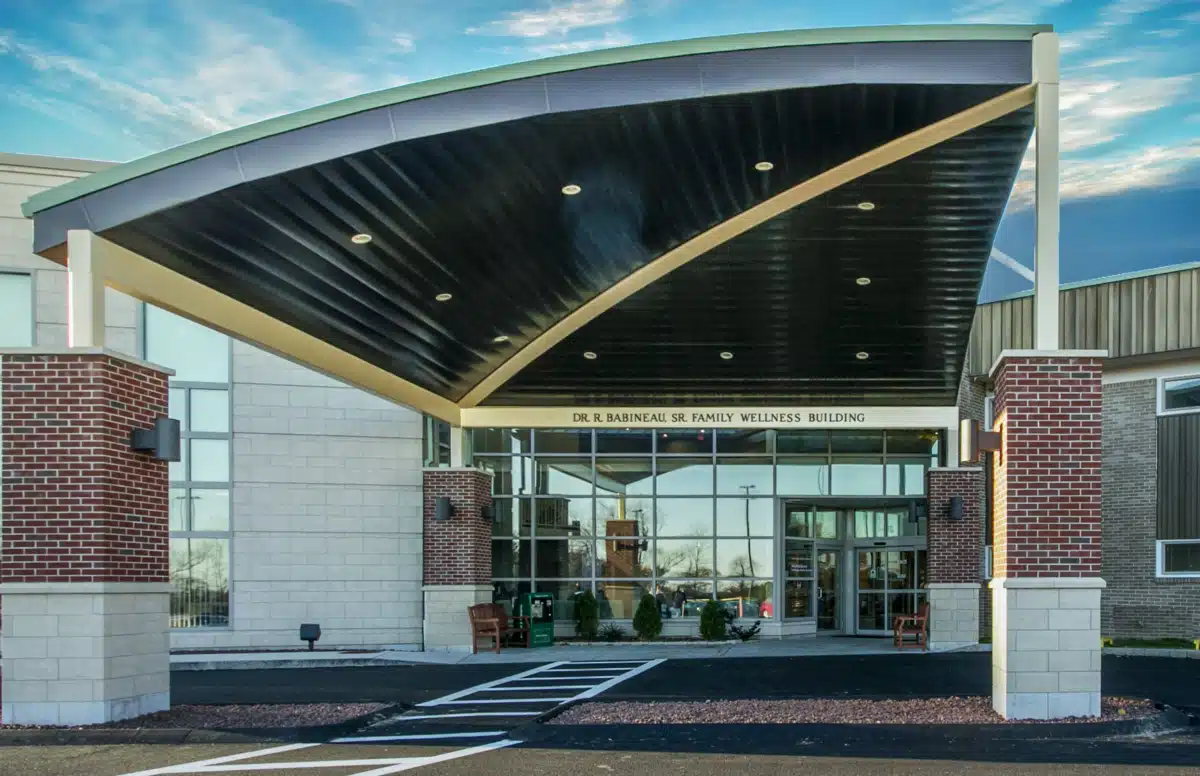
Community Health Connections Inc, located in Fitchburg, MA, provides a wide range of outpatient services designed to support both adults and children facing substance use challenges, particularly those with co-occurring mental health disorders. The center's specialized programs address the complex needs of individuals dealing with substance use issues alongside serious emotional disturbances. Among the services offered are outpatient treatment utilizing methadone or buprenorphine, as well as cognitive behavioral therapy, both of which incorporate evidence-based methodologies. This facility employs strategies such as brief intervention and community reinforcement with vouchers to enhance treatment outcomes. The center also recognizes the unique requirements of clients who experience simultaneous pain and substance use disorders, extending its services to adults and seniors across all genders. Community Health Connections Inc prioritizes the delivery of personalized rehabilitation care, aiming to foster recovery and overall wellness for its clients.
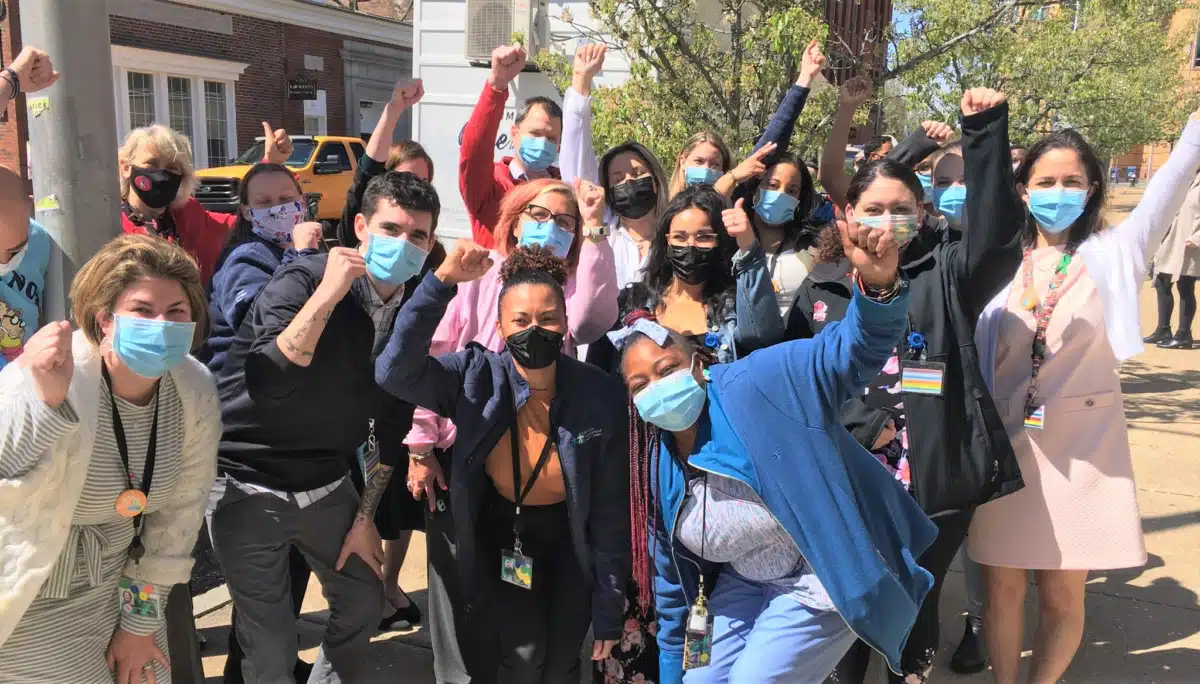
Brockton Neighborhood Health Center, situated in Brockton, MA, provides a broad range of outpatient services focused on substance use treatment. This center is dedicated to assisting adults who face co-occurring serious mental health disorders and children grappling with significant emotional disturbances. It offers various treatment options, including outpatient methadone or buprenorphine and naltrexone therapies, regular outpatient care, and targeted programs for specific populations such as individuals living with HIV/AIDS, those with co-occurring conditions, and pregnant or postpartum women. The treatment methodologies employed at the center encompass brief intervention techniques, cognitive behavioral therapy, and contingency management with motivational incentives. Brockton Neighborhood Health Center caters to both men and women, ensuring that the care provided is tailored to meet the unique needs of both adults and children/adolescents. The facility's commitment to quality and holistic care underscores its dedication to supporting individuals on their journey to recovery.

Casa Esperanza Inc, situated in Roxbury, Massachusetts, provides outpatient services for substance use treatment aimed at adults and young adults. This facility is particularly equipped to support individuals grappling with both substance use disorders and serious mental health conditions. Among the therapeutic methods employed are 12-step facilitation, anger management strategies, and brief intervention techniques. The center is committed to serving various populations, including active duty military personnel, along with adult men and women. Casa Esperanza Inc emphasizes the importance of quality care, developing personalized treatment plans that address the distinct needs of each person. Those seeking rehabilitation services—whether adult men, women, or young adults—can find a comprehensive network of support at this center.
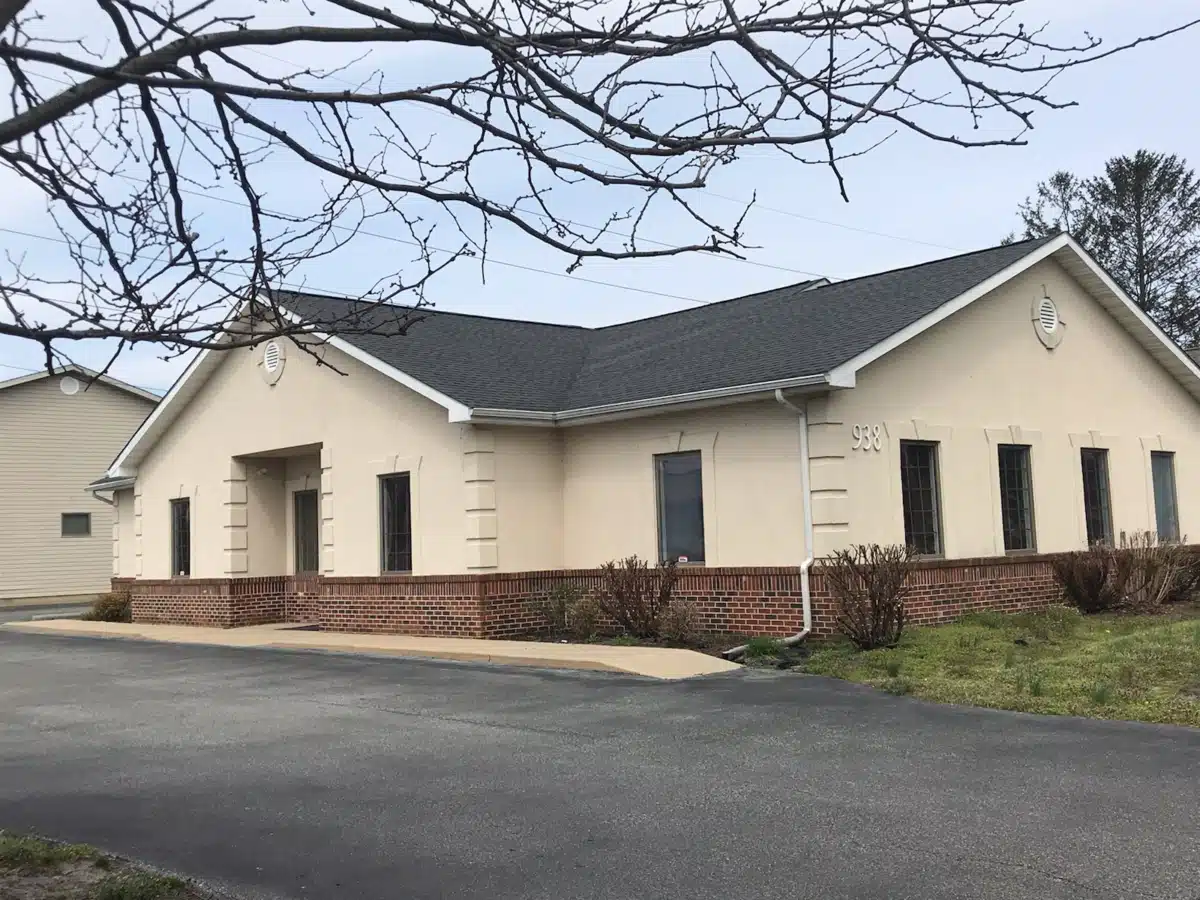
SaVida Health, located in North Adams, MA, provides comprehensive addiction treatment services aimed at adults and seniors. The facility adopts a holistic approach to recovery by offering a variety of treatment formats that cater to the specific needs of individuals. SaVida Health places a strong emphasis on personalized care, ensuring that each client is given the attention necessary for their recovery journey. Both men and women seeking assistance with addiction will find specialized programs designed to support them in their efforts. The center prioritizes quality care and custom treatment plans, committing itself to helping clients navigate their path toward recovery.
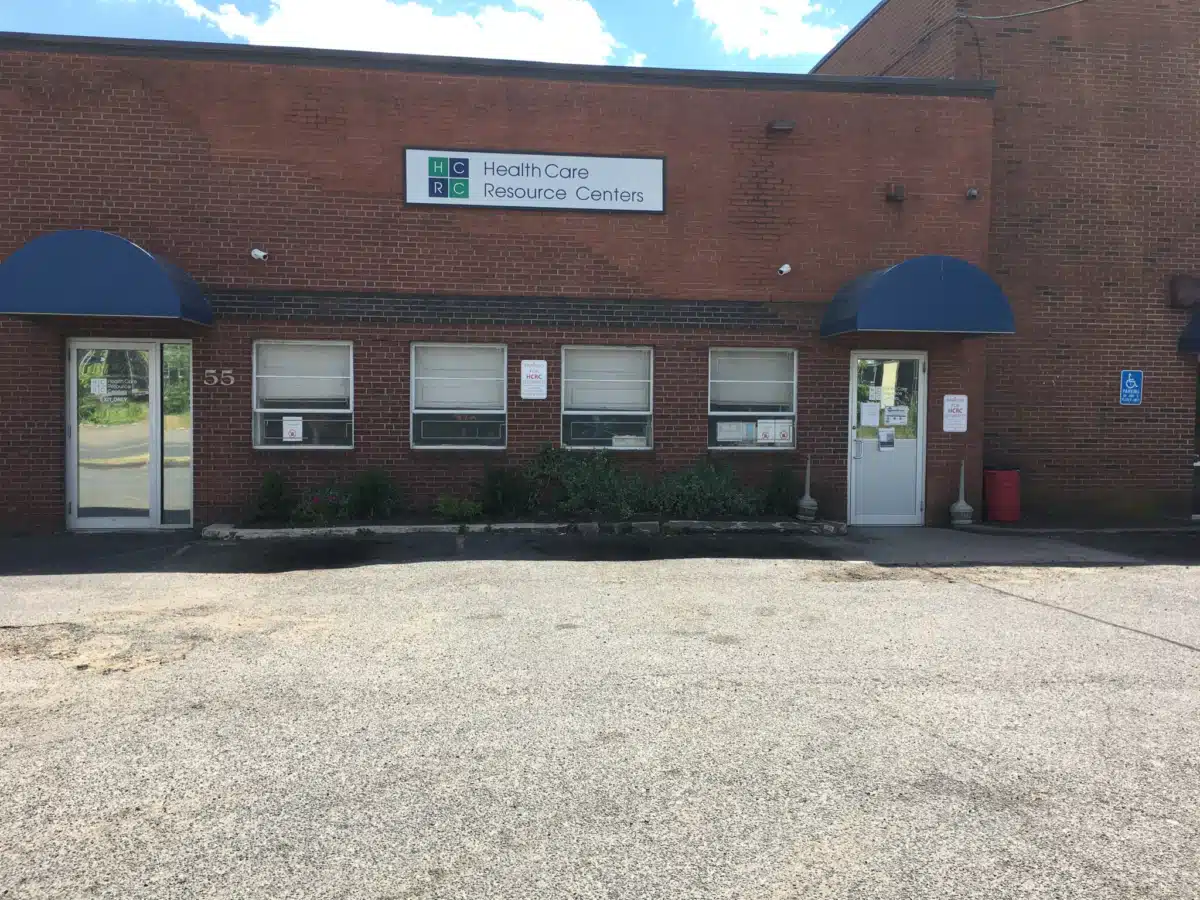
Healthcare Resource Centers, located in New Bedford, MA, is dedicated to providing outpatient treatment programs for adults and young adults dealing with substance use issues. This facility offers specialized care for individuals who are living with HIV or AIDS, those experiencing co-occurring mental health and substance use disorders, as well as pregnant or postpartum women. Their treatment methods encompass anger management, brief interventions, and cognitive behavioral therapy. The center prioritizes delivering quality care through various outpatient options, including methadone, buprenorphine, or naltrexone treatments, in addition to standard outpatient services. Healthcare Resource Centers serves both male and female clients, fostering a comprehensive and supportive environment aimed at helping individuals in their recovery journey from substance use disorders.
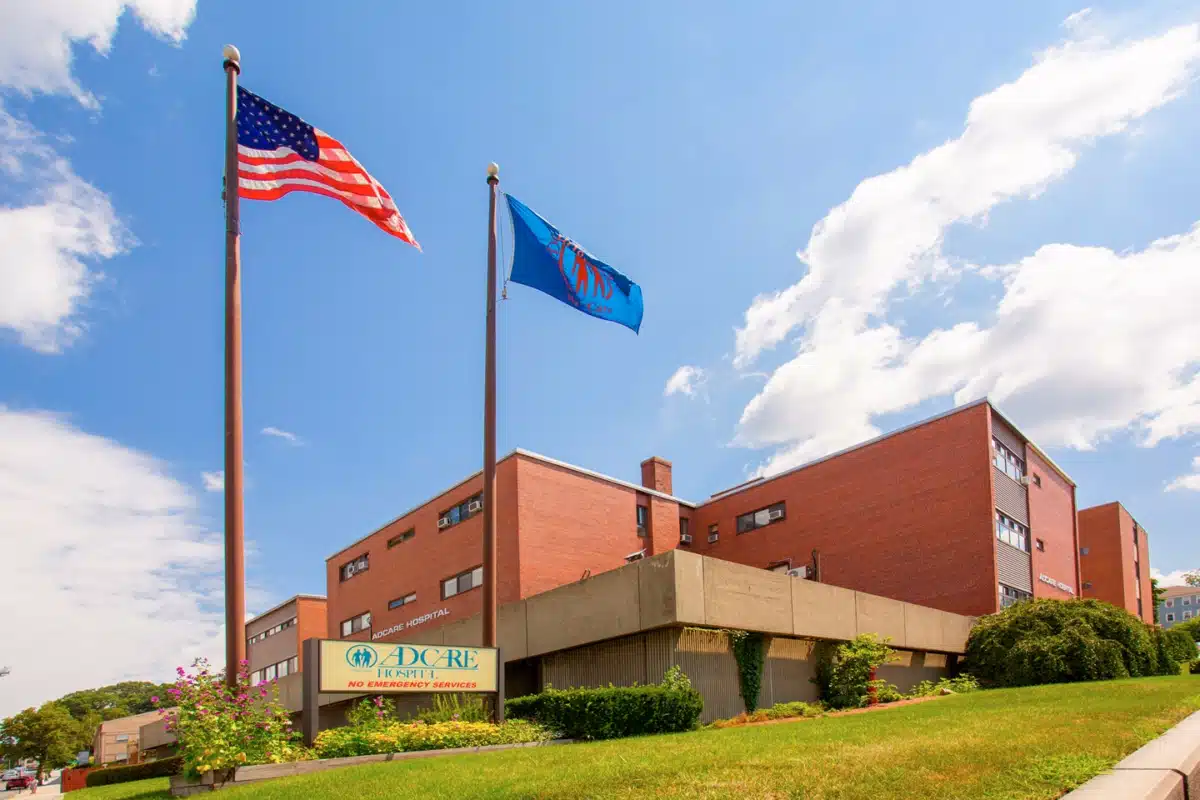
AdCare Hospital, situated in Worcester, Massachusetts, provides a range of addiction treatment services designed for both adults and young adults. The facility focuses on detoxification, treatment for substance use disorders, and support for co-occurring mental health conditions. With an emphasis on hospital inpatient care, AdCare employs various therapeutic techniques, including 12-step facilitation, anger management, and brief intervention strategies. The center offers specialized programs that address the unique needs of adult men, adult women, and individuals dealing with co-occurring disorders, ensuring that a diverse array of client requirements are met. Their commitment to quality care is reflected in the customized treatment plans developed for each individual, promoting effective rehabilitation in a nurturing environment.

McLean Hospital, located in Belmont, MA, offers a range of rehabilitation services aimed at adults and young adults who are dealing with substance use issues alongside co-occurring mental health conditions. The facility provides hospital inpatient detoxification and various treatment programs, employing modalities such as 12-step facilitation, cognitive behavioral therapy, and motivational interviewing to cater to different needs. With specialized programs designed for active-duty military personnel as well as adult men and women, McLean Hospital is committed to delivering personalized care to its clients. Serving both male and female populations, the center focuses on ensuring high-quality support for individuals on their path to recovery. If you are seeking specialized assistance for substance use and mental health challenges, McLean Hospital can provide a nurturing environment conducive to healing and personal development.
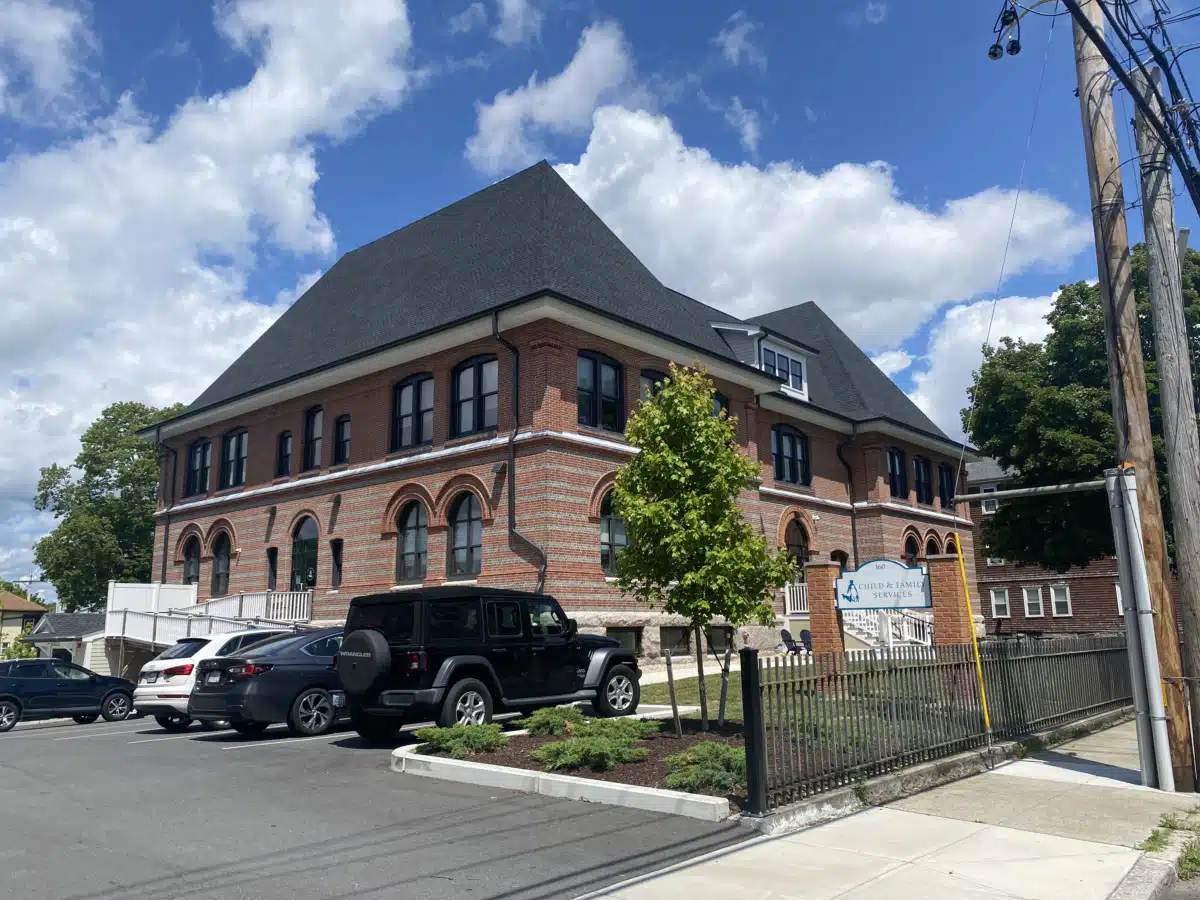
Situated in Hyannis, Massachusetts, the Mental Health Clinic provides outpatient treatment specifically for adults who are dealing with substance use issues alongside concurrent mental health conditions, as well as for children facing serious emotional disturbances. The clinic employs a range of therapeutic methods, including anger management, cognitive behavioral therapy, and motivational interviewing, to address the diverse needs of its clients. Specialized services are available for active duty military personnel, adolescents, and adult men, with programs meticulously designed to accommodate both male and female clients from different age groups. The clinic prioritizes comprehensive, individualized treatment plans grounded in quality and evidence-based practices, demonstrating a commitment to guiding individuals through their recovery journey.
Casa Esperanza Inc, situated in Roxbury, Massachusetts, provides a wide range of substance use treatment services alongside transitional housing specifically designed for adult women. The facility addresses the complex needs of individuals facing co-occurring substance use disorders and serious mental health challenges, while also offering support for emotional issues in children. Emphasizing long-term residential care, Casa Esperanza employs various evidence-based methods, such as 12-step facilitation and anger management, to deliver tailored and gender-specific care to women in its programs. In addition to its core services, Casa Esperanza has developed specialized programs for active duty military members, survivors of intimate partner violence, and individuals dealing with domestic violence. The facility's approach is inclusive, serving adults, seniors, and young adults alike, and is committed to promoting sustainable recovery through individualized treatment plans that cater to the unique circumstances of each client.
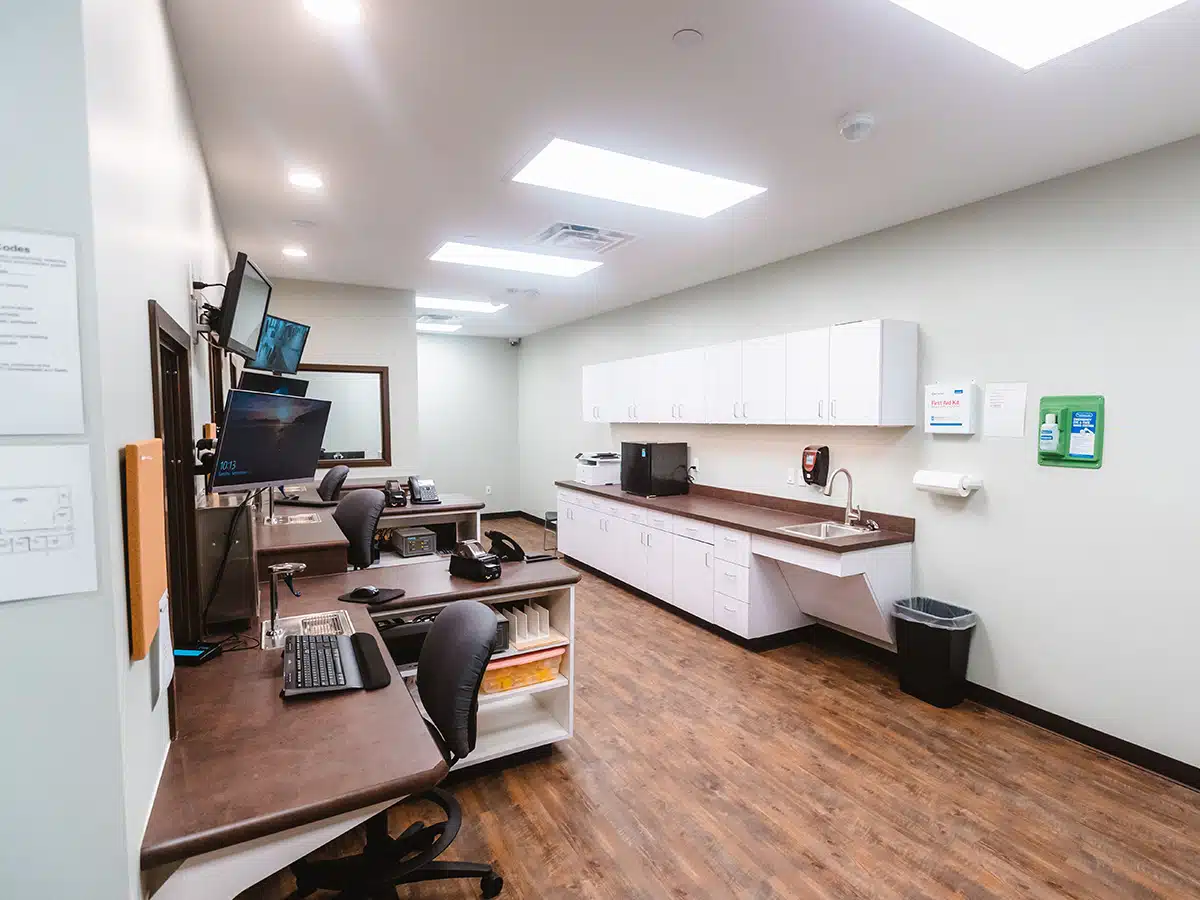
Situated in Lowell, Massachusetts, the Lowell Comprehensive Treatment Center specializes in outpatient services for substance use disorders, targeting both adults and young adults. The center offers treatment options that include methadone, buprenorphine, and naltrexone, and employs various therapeutic approaches such as 12-step facilitation, anger management, and brief intervention. This facility features tailored programs designed specifically for adult men and women, as well as clients who have encountered intimate partner or domestic violence. Emphasizing personalized care, the center is dedicated to providing support and expert guidance to both male and female clients during their recovery journey. For individuals seeking addiction treatment that is both effective and compassionate, the Lowell Comprehensive Treatment Center is a reliable resource.

Recovery Centers of America, located in Danvers, MA, provides a wide range of treatment options for those dealing with substance use issues, as well as individuals facing co-occurring mental health disorders. The facility offers several programs, including intensive outpatient, outpatient, and partial hospitalization services, all designed around evidence-based methodologies. These include 12-step facilitation, anger management, and brief intervention techniques, ensuring a well-rounded approach to recovery. This center is dedicated to meeting the needs of various populations, with tailored programs specifically for active duty military personnel, as well as adult men and women. By serving both adults and young adults of all genders, Recovery Centers of America emphasizes the importance of individualized treatment plans, ensuring that each client receives the quality care necessary to support their journey toward lasting recovery.
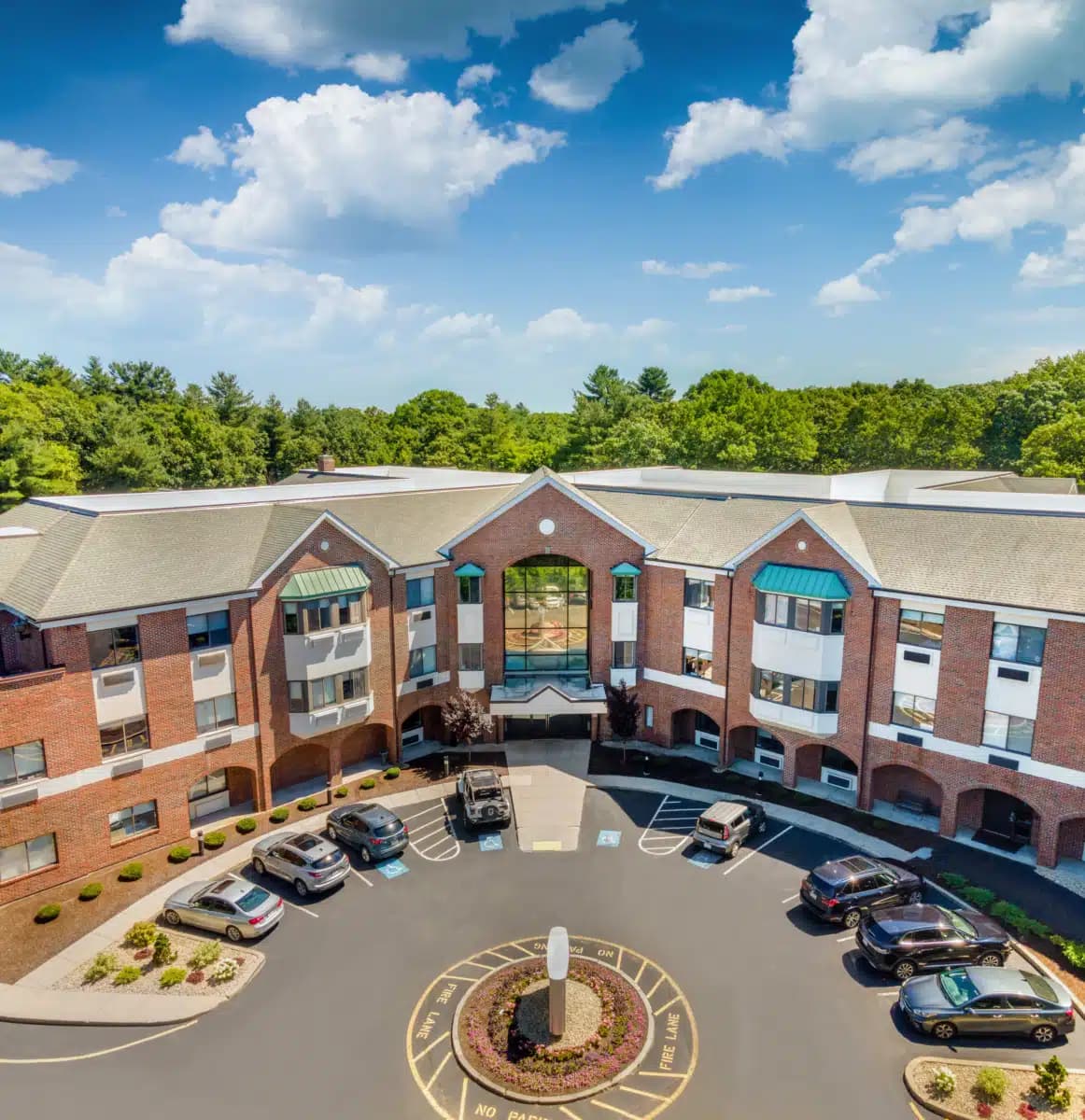
Bedrock Rehab LLC, situated in Canton, Massachusetts, provides a range of addiction treatment services aimed at adults and young adults. This facility has a specialization in hospital inpatient detoxification and addresses various substance use disorders along with co-occurring serious mental health issues. With an emphasis on 12-step facilitation, anger management, and brief intervention strategies, the center designs personalized care plans to cater to the specific needs of each individual. It also features distinctive programs that focus on active duty military personnel, as well as specialized support for adult men and women. By serving both male and female clients, Bedrock Rehab LLC offers evidence-based treatment aimed at fostering enduring recovery for those who seek help.
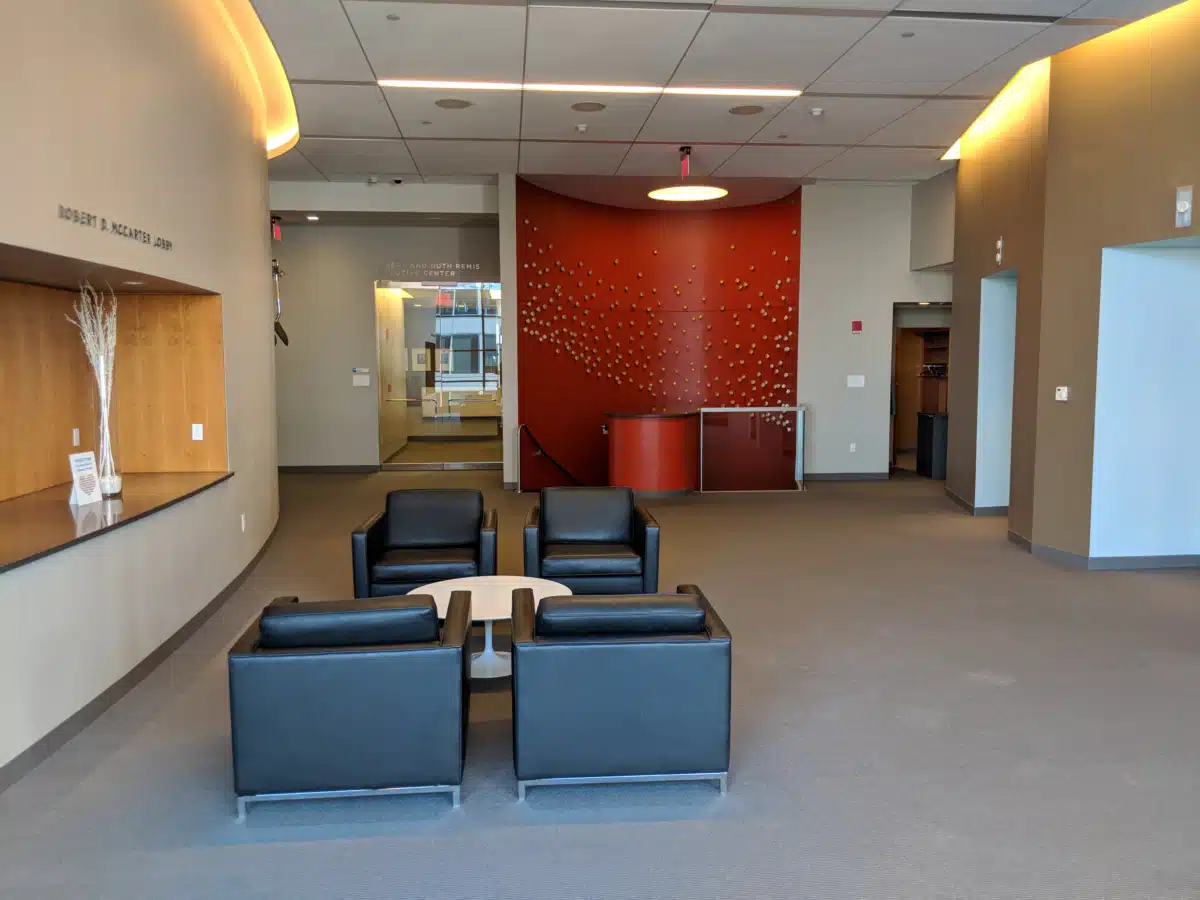
Fenway Health, situated in Boston, MA, provides an extensive array of outpatient services tailored for individuals seeking recovery from substance use disorders as well as associated mental health challenges. The facility offers targeted programs for both adults and young adults, including support for those who have faced intimate partner violence. The treatment modalities available at Fenway Health include anger management, brief interventions, and cognitive behavioral therapy. Focused on outpatient detoxification and medication-assisted treatment, the center addresses the distinct needs of adult men and women. By fostering a secure and nurturing atmosphere, Fenway Health aims to offer quality care for individuals ready to begin their recovery journey.

New England Counseling Services LLC, situated in Devens, MA, provides an extensive array of substance use treatment programs tailored for both adults and young adults. This center offers various levels of care, including intensive outpatient treatment, regular outpatient services, and standard outpatient options. Their approach emphasizes techniques such as anger management, brief interventions, and cognitive behavioral therapy, which are integrated into their programs. The facility also hosts specialized services aimed at addressing the specific needs of active duty military personnel and veterans, ensuring comprehensive support for these groups. By serving both male and female clients, New England Counseling Services is committed to offering quality care for individuals facing co-occurring substance use issues alongside serious mental health concerns or emotional challenges. This dedication to personalized treatment underscores the facility's focus on rehabilitation and recovery for all its clients.

FCP Inc., situated in Worcester, MA, serves as a notable rehabilitation center focused on outpatient treatment for substance use as well as co-occurring serious mental health disorders in adults. The facility employs evidence-based methods, including brief interventions, cognitive behavioral therapy, and motivational interviewing, as part of its regular outpatient care. In addition to adult services, FCP Inc. provides customized programs designed for adolescents and young adults, accommodating both male and female clients across various age groups. With an emphasis on quality care and personalized treatment strategies, this facility aims to support individuals throughout their recovery journey.
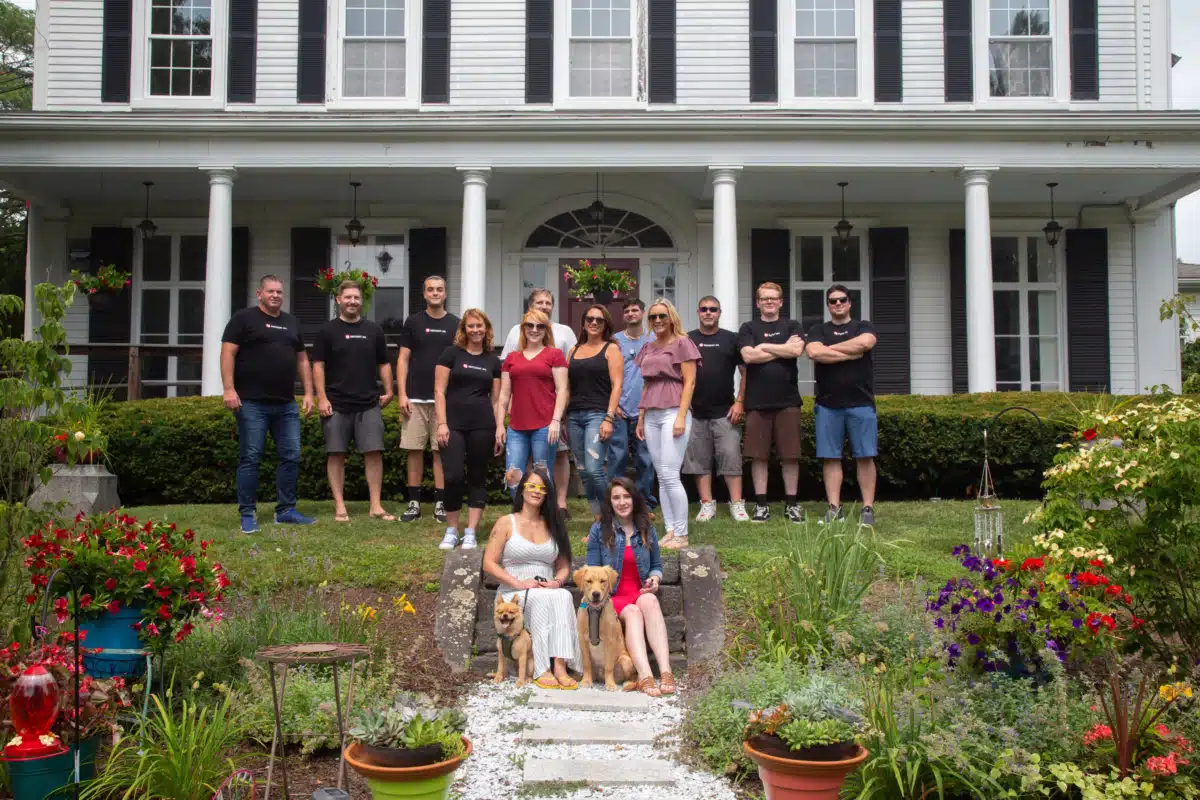
Northeast Addictions Treatment Center, situated in Quincy, MA, focuses on providing specialized support for individuals grappling with substance use disorders and co-occurring mental health challenges, addressing the needs of both adults and children. The facility offers a variety of treatment options, including intensive outpatient programs and outpatient day treatment, alongside essential services such as 12-step facilitation, anger management, and brief interventions. Recognizing the unique needs of different populations, the center features tailored programs specifically designed for active duty military personnel, as well as adult men and women. With a commitment to serving individuals across the gender spectrum, this center emphasizes comprehensive and compassionate care, guiding both adults and young adults through their recovery journeys.
Rockland Recovery Treatment Center, located in Braintree, MA, provides a wide array of services aimed at addressing substance use issues. The center's offerings include transitional housing and support for individuals dealing with both substance use and serious mental health disorders. Treatment modalities consist of intensive outpatient programs, long-term residential care, and traditional outpatient services. Various therapeutic approaches are employed, such as 12-step facilitation, anger management, and brief interventions. The center also features specialized programs designed for diverse populations, including active duty military members, adolescents, and adult men, allowing them to cater to different age groups and genders. With a focus on personalized treatment strategies, Rockland Recovery Treatment Center aims to provide quality care for those seeking help on their recovery journey.

Situated in Mattapan, MA, the Boston Public Health Commission provides a range of substance use treatment programs specifically designed for adult women. This facility delivers hospital inpatient care, around-the-clock inpatient services, and long-term residential options. Employing evidence-based methods, including 12-step facilitation, anger management, and cognitive behavioral therapy, the center addresses the needs of individuals who have faced issues such as intimate partner violence, domestic abuse, and sexual assault. By concentrating on adult, senior, and young adult populations, the center fosters a supportive atmosphere for women who are pursuing effective rehabilitation services.
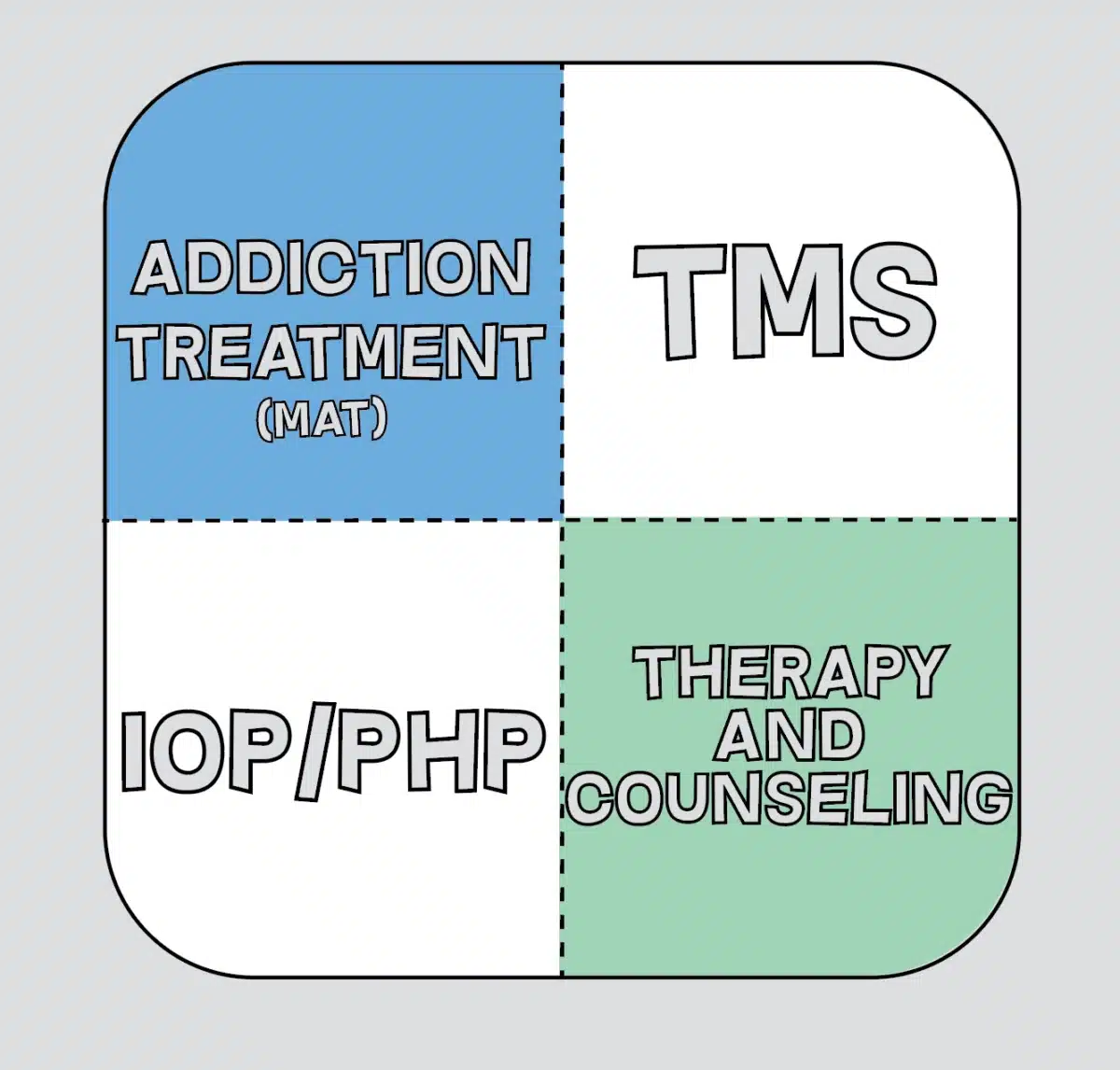
Situated in Waltham, Massachusetts, Square Medical Group provides targeted long-term residential treatment tailored for adult men facing substance use disorders coupled with co-occurring mental health conditions. The facility is designed to foster a supportive atmosphere where clients receive round-the-clock care. Utilizing evidence-based methodologies, the treatment options include 12-step facilitation, brief intervention, and cognitive behavioral therapy. Square Medical Group serves a range of adults, including seniors and young adults, with an emphasis on addressing severe mental health challenges in conjunction with substance use disorders. The program also emphasizes transitional housing and sober living, aiming to deliver comprehensive care that supports clients in achieving sustained recovery and enhanced mental health.
Square Medical Group, located in Watertown, MA, provides an extensive range of substance use treatment options for adults, including individuals facing co-occurring mental health challenges. The facility offers various levels of care such as intensive outpatient treatment, outpatient day treatment, and partial hospitalization. Treatment methods employed at the center include 12-step facilitation, brief intervention, and cognitive behavioral therapy, all aimed at addressing the unique needs of clients. Designed for adult men and women, as well as those managing co-occurring disorders, the programs are customized to ensure each person receives care that aligns with their specific circumstances. With a primary emphasis on adults and young adults of all genders, Square Medical Group strives to deliver effective rehabilitation services that foster enduring recovery.
About Prescription Drug Abuse Treatment
Prescription drug abuse is a significant public health concern that often develops insidiously — what begins as legitimate medical treatment can gradually evolve into dependency. The National Institute on Drug Abuse reports that an estimated 18 million Americans have misused prescription medications at least once in the past year. Massachusetts, like much of the nation, faces ongoing challenges with prescription drug misuse, particularly involving opioid painkillers, benzodiazepines, and stimulant medications.
Types of Commonly Abused Prescription Drugs
Prescription drug abuse encompasses three primary categories, each with distinct risks and treatment considerations:
Prescription Opioids
Medications like oxycodone (OxyContin, Percocet), hydrocodone (Vicodin), codeine, and morphine are prescribed for pain management. These medications activate the brain's reward system, creating a powerful potential for dependency even when used as prescribed. The Massachusetts opioid crisis has its roots in prescription opioid overprescription, which often serves as a gateway to heroin and fentanyl use.
Benzodiazepines
Medications like alprazolam (Xanax), diazepam (Valium), lorazepam (Ativan), and clonazepam (Klonopin) are prescribed for anxiety, insomnia, and seizures. Benzodiazepine dependency can develop within weeks of regular use, and withdrawal can be medically dangerous — potentially life-threatening without proper medical supervision.
Prescription Stimulants
Medications like amphetamine (Adderall), methylphenidate (Ritalin, Concerta), and lisdexamfetamine (Vyvanse) are prescribed for ADHD and narcolepsy. Misuse is particularly common among college students and young adults who use these medications for academic performance or weight loss.
How Prescription Abuse Develops
Prescription drug abuse often follows a progression:
- Legitimate prescription: A doctor prescribes medication for a genuine medical condition
- Tolerance development: The body adapts to the medication, requiring higher doses for the same effect
- Dose escalation: Taking more medication than prescribed, more frequently, or for longer than directed
- Doctor shopping or diversion: Seeking prescriptions from multiple providers or obtaining medications from non-medical sources
- Compulsive use: Continued use despite negative consequences — relationship problems, work issues, health decline
- Transition to illicit substances: Some individuals switch to cheaper or more accessible illegal alternatives (e.g., prescription opioids to heroin)
It is important to understand that prescription drug dependence is not a moral failing — it is a medical condition rooted in how these medications affect brain chemistry. Many people who develop dependence followed their doctor's instructions and did nothing "wrong."
Medical Detox and Tapering
Medical detox is particularly important for prescription drug dependence because abrupt discontinuation can be dangerous:
- Opioid tapering: Gradual dose reduction under medical supervision, often transitioning to medication-assisted treatment (buprenorphine or methadone) to manage withdrawal safely
- Benzodiazepine tapering: Requires slow, carefully managed dose reduction — typically over weeks to months. Abrupt benzodiazepine withdrawal can cause seizures and must never be attempted without medical supervision.
- Stimulant discontinuation: Generally less physically dangerous but involves significant psychological withdrawal including severe fatigue, depression, and intense cravings
Treatment Programs for Prescription Drug Abuse
Massachusetts offers comprehensive treatment for prescription drug dependency across all levels of care:
- Residential treatment: 30-90 day immersive programs ideal for severe dependency, polysubstance use, or previous treatment failures
- PHP and IOP: Structured day or evening programs that allow continued work and family responsibilities
- Standard outpatient: Individual therapy, group counseling, and MAT management for maintenance and relapse prevention
Key treatment components include:
- Cognitive Behavioral Therapy to address thought patterns and develop coping skills
- Pain management alternatives for individuals originally prescribed opioids for chronic pain
- Psychiatric evaluation for underlying conditions (anxiety, ADHD, chronic pain) that may have led to prescription use
- MAT for opioid prescription dependency
- Family education about prescription drug misuse and enabling behaviors
- Relapse prevention focused on managing pain, anxiety, or ADHD without addictive medications
Frequently Asked Questions
Am I addicted if I need my prescription to function?
Physical dependence (needing a medication to avoid withdrawal) is different from addiction (compulsive use despite negative consequences). Many people are physically dependent on medications like antidepressants without being addicted. However, if you are using more than prescribed, seeking additional sources, or continuing despite problems, professional evaluation is recommended.
Can I just stop taking my medication on my own?
Never stop prescription medications abruptly without medical guidance — especially benzodiazepines and opioids. Sudden discontinuation can cause dangerous withdrawal symptoms including seizures. A medical professional will create a safe tapering schedule.
What about my underlying condition that the medication was treating?
Good treatment programs address the original condition alongside the addiction. Alternative pain management strategies, non-addictive anxiety medications, and behavioral interventions for ADHD can be explored. The goal is not to suffer — it is to find safer, sustainable management approaches.
How do I talk to my doctor about prescription drug concerns?
Be honest with your healthcare provider about your medication use patterns, concerns about dependency, and desire for alternatives. Doctors are ethically and legally obligated to help, not judge. If you are uncomfortable, contact the Massachusetts Substance Use Helpline (1-800-327-5050) for anonymous guidance first.
Does insurance cover prescription drug addiction treatment?
Yes. Substance use disorder treatment — including for prescription drug dependence — is covered under Massachusetts law and the Affordable Care Act. MassHealth and most commercial insurance plans cover detox, residential, outpatient, and MAT services.
For more information about prescription drug abuse:
- NIDA — Prescription Drugs and Over-the-Counter Medicines
- FDA — Safe Disposal of Medicines
- SAMHSA National Helpline — 1-800-662-4357
Prescription drug dependence is treatable. Browse our directory of Massachusetts treatment centers to find programs experienced in prescription drug recovery, or call the Massachusetts Substance Use Helpline at 1-800-327-5050 for confidential help.