
Eating Disorders Rehab Centers
Eating disorder treatment in addiction recovery addresses the complex relationship between eating disorders and substance use.
Found 331 rehab centers specializing in eating disorders across Massachusetts.
Last reviewed: March 27, 2026
Want us to find the perfect facility for you?
Call now - it's completely free!
Showing 20 of 331 eating disorders rehab centers
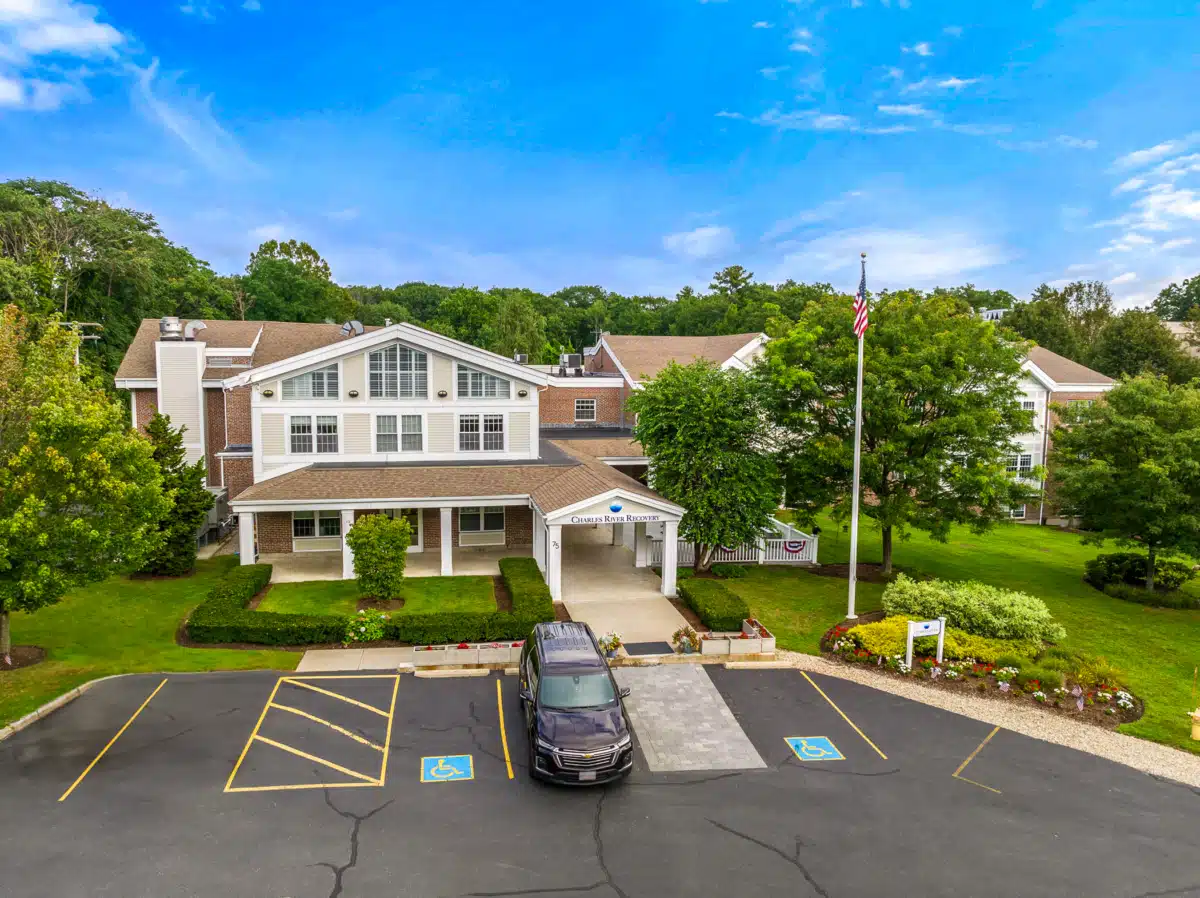
Charles River Recovery LLC, situated in Weston, Massachusetts, provides a range of substance use treatment options, including detoxification services. The facility offers hospital inpatient detoxification and treatment, featuring specialized programs designed for adult men, women, and active duty military members. Employing methodologies such as 12-step facilitation and anger management, this center serves both adults and young adults, regardless of gender. With an emphasis on delivering quality care and personalized treatment plans, Charles River Recovery LLC is committed to supporting individuals as they navigate their recovery journey.
Lake Avenue Recovery LLC, located in Worcester, MA, provides a wide range of substance use treatment options aimed at both adults and young adults. The facility features intensive outpatient, outpatient, and day treatment programs that utilize various approaches, including 12-step facilitation, anger management techniques, and brief intervention strategies. Specializing in the treatment of individuals dealing with trauma, co-occurring mental health and substance use disorders, as well as pain-related substance use issues, the center offers customized care designed to meet the unique needs of each client. With services available for both men and women, Lake Avenue Recovery LLC is committed to delivering personalized treatment that fosters sustainable recovery and supports individuals on their journey toward achieving their recovery goals.
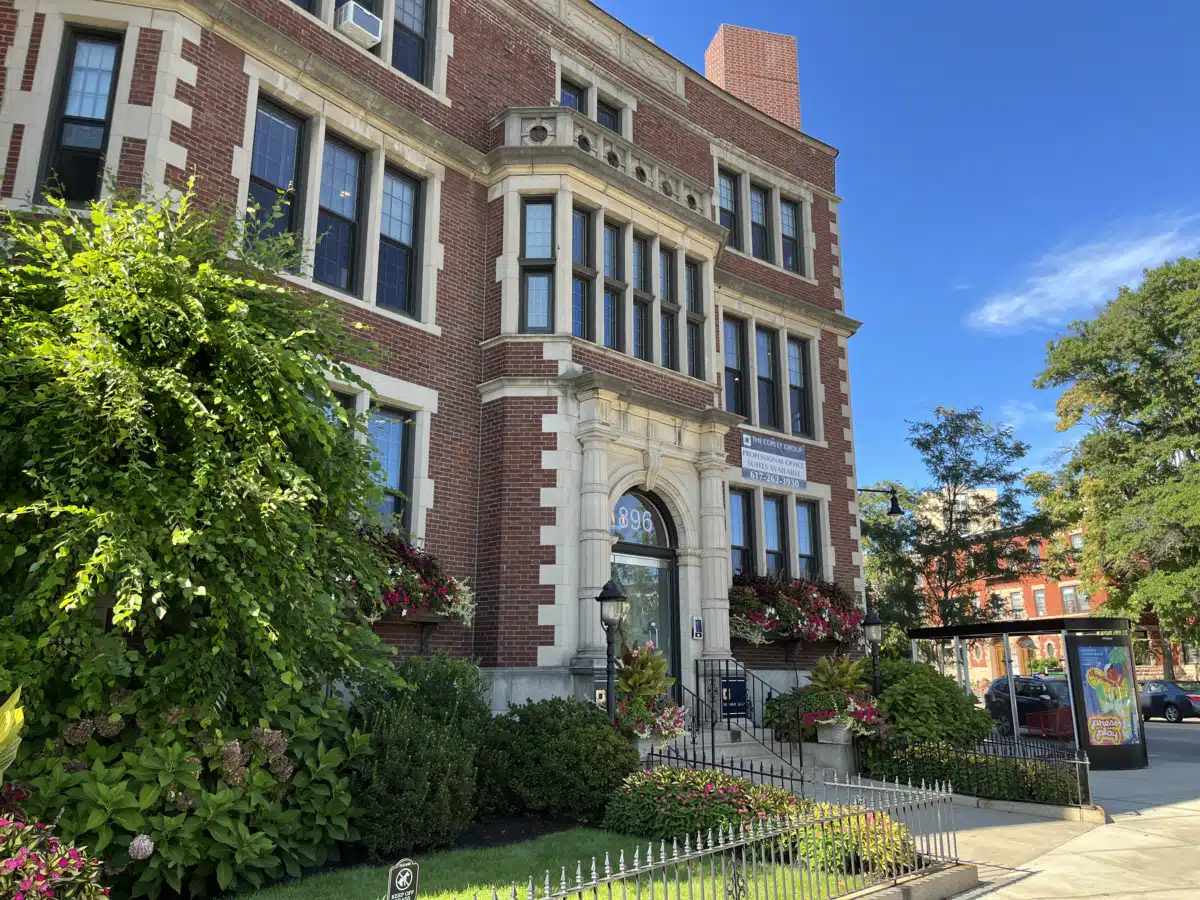
Providence Treatment, located in Boston, MA, provides various substance use treatment programs specially designed for both adults and young adults. The facility offers intensive outpatient treatment, outpatient programs, and day treatment options, all tailored to meet the unique needs of each individual. Their approach incorporates evidence-based practices such as 12-step facilitation, brief intervention, and cognitive behavioral therapy to promote effective recovery outcomes. The center also features specialized programs that cater to adult men, adult women, and clients who have experienced sexual abuse, ensuring comprehensive support that addresses the distinct challenges faced by each group. By focusing on the needs of both male and female clients, Providence Treatment aims to create a nurturing environment that facilitates the journey toward healing and recovery from addiction.

Recovery Centers of America, situated in Westminster, MA, provides a range of services aimed at addressing addiction. The facility places an emphasis on detoxification procedures and offers residential support along with 24-hour care to ensure continuous assistance. A significant component of the treatment approach is rooted in 12-step facilitation, alongside anger management and brief intervention techniques. This center serves both adult men and women, including those currently in active duty military roles. Additionally, it accommodates adults and young adults by offering specialized programs tailored to distinct age groups and genders, thereby providing individualized care for each person seeking treatment.
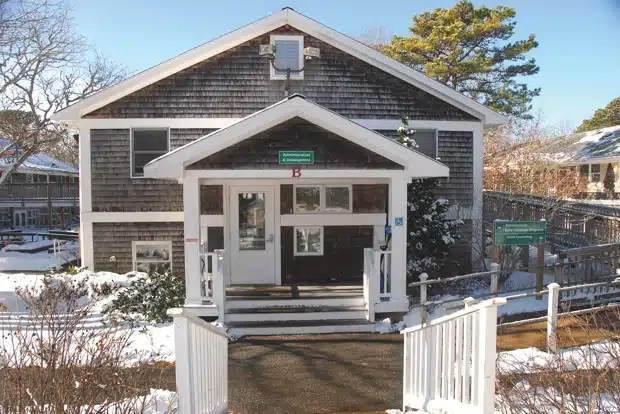
Martha's Vineyard Community Services, located in Vineyard Haven, MA, provides a thorough outpatient substance use treatment program designed for adults and young adults experiencing co-occurring serious mental health issues or emotional disturbances. The treatment incorporates evidence-based methods, including cognitive behavioral therapy and motivational incentives. This facility offers specialized support tailored for active duty military personnel, as well as adult men and women. Emphasizing a commitment to high-quality care, the center serves both male and female clients who are pursuing outpatient treatment options such as methadone, buprenorphine, or naltrexone. For those seeking individualized and effective solutions for addiction, this facility is focused on guiding individuals through their recovery journey.
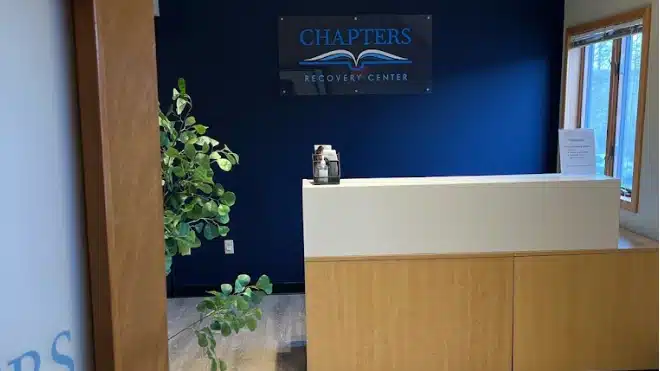
Chapters Recovery Center Inc, located in Danvers, MA, provides comprehensive treatment for substance use disorders, as well as care for co-occurring mental health conditions in both adults and children. The facility offers a range of treatment options including intensive outpatient, outpatient, and day treatment programs. These are designed to meet individual needs and incorporate various therapeutic approaches such as 12-step facilitation, anger management, and brief interventions. Additionally, tailored programs aim to serve specific populations, including active duty military personnel, adult men, and women, ensuring that each individual receives appropriate and specialized care. Focused on adults and young adults regardless of gender, the center is committed to delivering quality care and holistic approaches, promoting enduring recovery.
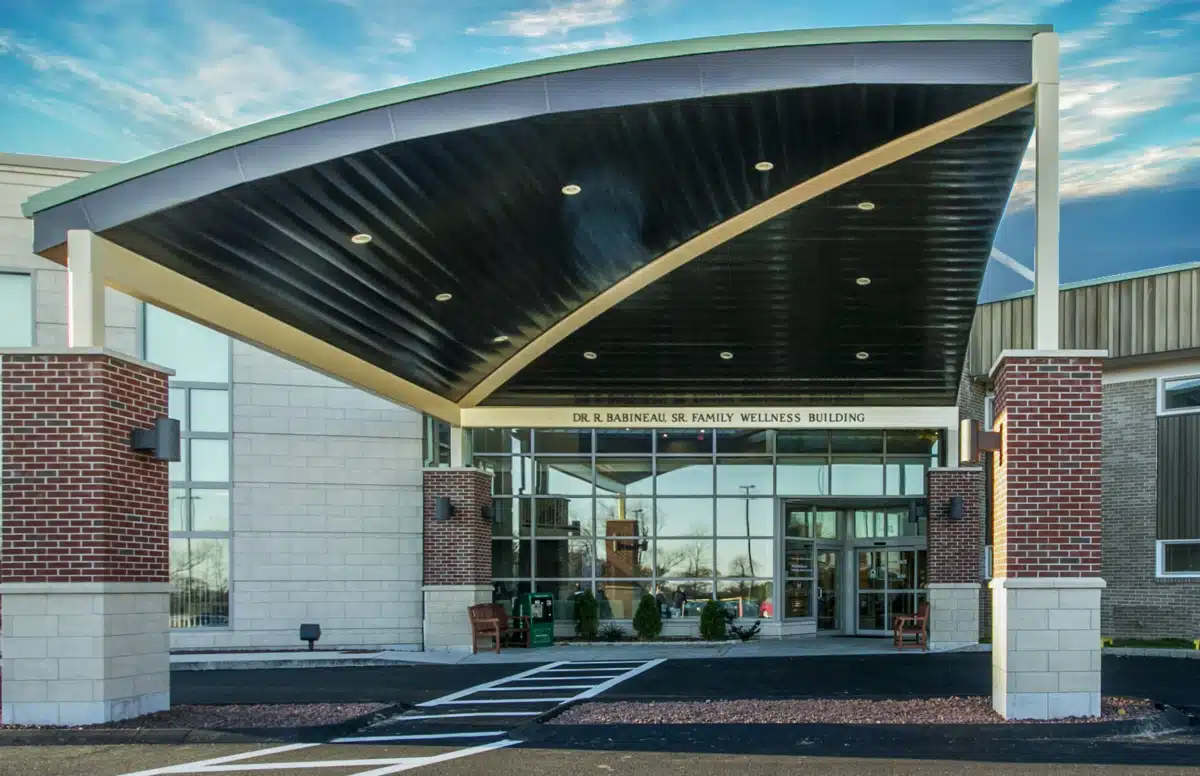
Community Health Connections Inc, situated in Fitchburg, MA, provides extensive outpatient treatment for substance use that caters to both adults and children who are dealing with serious mental health conditions that occur alongside substance use issues. The facility features targeted programs designed for individuals living with HIV/AIDS, those facing co-occurring mental and substance use disorders, and individuals managing pain combined with substance use concerns. Emphasizing treatment methods such as cognitive behavioral therapy and community reinforcement approaches, the center also administers outpatient options for methadone, buprenorphine, or naltrexone. By serving adults and seniors of all genders, this facility focuses on delivering personalized care and support to individuals navigating their journey towards recovery from addiction and mental health difficulties.
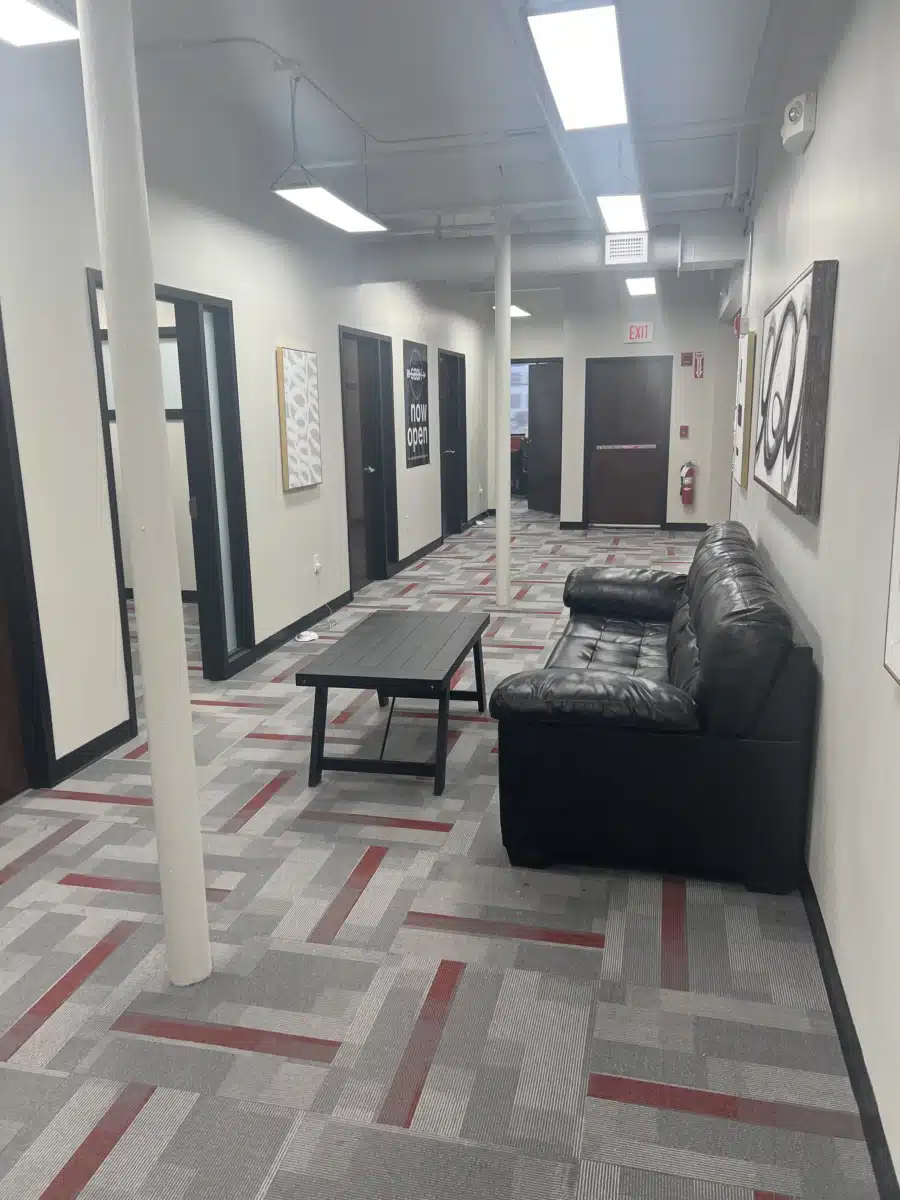
Situated in Needham Heights, Massachusetts, the Greater Boston Addiction Center provides targeted treatment for substance use issues among adults and young adults. This facility offers a range of care options, including intensive outpatient treatment, outpatient day therapy, and partial hospitalization. With an emphasis on methods such as 12-step facilitation, anger management, and brief interventions, the center is equipped to assist those who are dealing with both substance use disorders and serious mental health conditions. Additionally, the center features specialized programs tailored for active duty military members, as well as distinct offerings for adult men and women. By serving clients of all genders, the center places a strong emphasis on delivering high-quality care and developing personalized treatment plans aimed at fostering recovery.
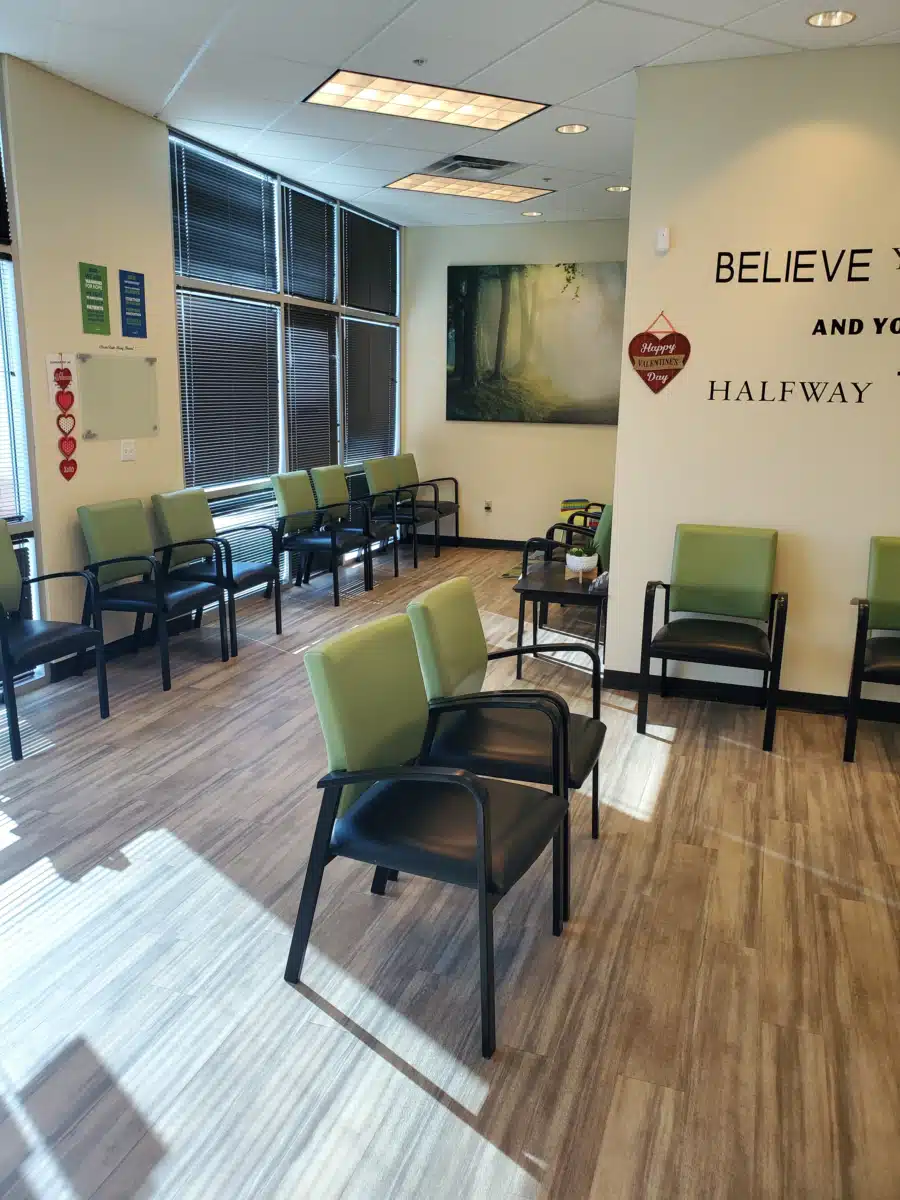
CleanSlate Centers, located in Hyannis, MA, offers outpatient treatment for substance use disorders, featuring options such as methadone, buprenorphine, and naltrexone. The facility employs motivational interviewing along with relapse prevention techniques and counseling specific to substance use disorders. This approach ensures that each individual receives care tailored to their unique needs. The center specializes in providing support for adults and young adults, accommodating all genders. CleanSlate Centers emphasizes quality treatment through a personalized methodology. This may be a suitable option for individuals or their loved ones seeking effective addiction treatment with a comprehensive and customized focus.
Community Health Connections Inc, located in Leominster, MA, delivers specialized outpatient care for both substance use disorders and co-occurring mental health issues in individuals of all ages, including adults and children. The facility employs a range of therapeutic methods, such as cognitive behavioral therapy and community reinforcement strategies, to create personalized treatment plans. Their programs are designed to accommodate clients facing challenges related to mental health alongside substance use, as well as individuals contending with pain and addiction. This center provides a variety of comprehensive treatment options, including outpatient services utilizing methadone, buprenorphine, or naltrexone, and serves a diverse demographic, including adults and seniors of all genders. Emphasizing quality care and tailored support, Community Health Connections Inc aims to be a reliable resource for individuals pursuing their path to recovery.
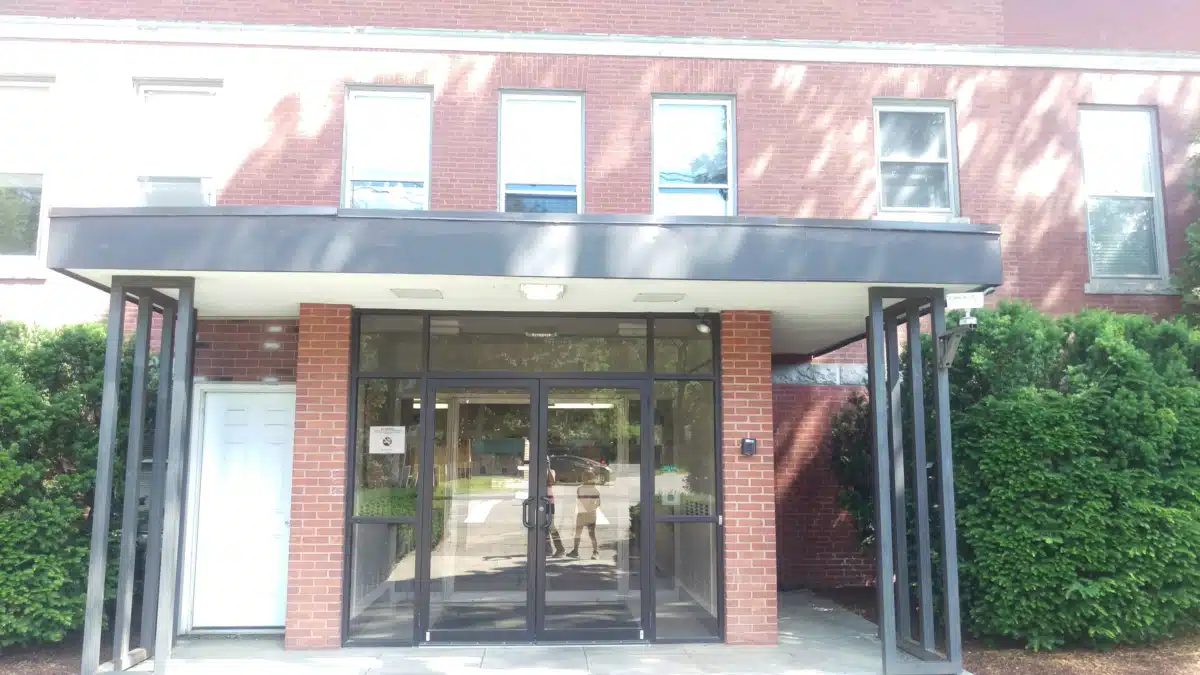
Situated in Fitchburg, Massachusetts, LUK Inc provides outpatient treatment for substance use disorders along with targeted support for individuals experiencing both substance use and significant mental health challenges. The facility offers cognitive behavioral therapy in a standard outpatient setting, specifically designed for adults and seniors. Notable programs are available that cater to specific populations, including active duty military personnel, adolescents, and adult males. LUK Inc emphasizes quality care and creates a welcoming environment for all clients, regardless of gender, who are looking for effective rehabilitation support.

Situated in Falmouth, Massachusetts, Relief Recovery Center provides thorough treatment options for substance use disorders aimed at both adults and young adults. The center has a particular emphasis on addressing co-occurring substance use disorders alongside significant mental health issues for adults, as well as emotional disturbances in younger individuals. Utilizing approaches such as 12-step facilitation, anger management strategies, and brief interventions, the facility offers a variety of program types, including intensive outpatient, outpatient, and day treatment services. Relief Recovery Center also features programs specifically designed for active duty military personnel, as well as distinct services for adult men and women. By fostering a specialized, gender-responsive care environment, the center is committed to delivering tailored treatment plans that support individuals navigating the complex journey of recovery from both addiction and mental health struggles.
CleanSlate Centers, located in Worcester, Massachusetts, provides outpatient treatment for substance use disorders. Their offerings include methadone and buprenorphine treatment, as well as naltrexone therapy. The center emphasizes the use of motivational interviewing techniques, focuses on relapse prevention strategies, and offers counseling specifically designed for substance use disorders. This facility adopts a personalized approach to care, serving both adults and young adults of any gender. By delivering specialized services, CleanSlate Centers strives to assist individuals in navigating their path to recovery from substance use challenges. For those in search of effective and individualized addiction treatment, this center may be a suitable option to consider.
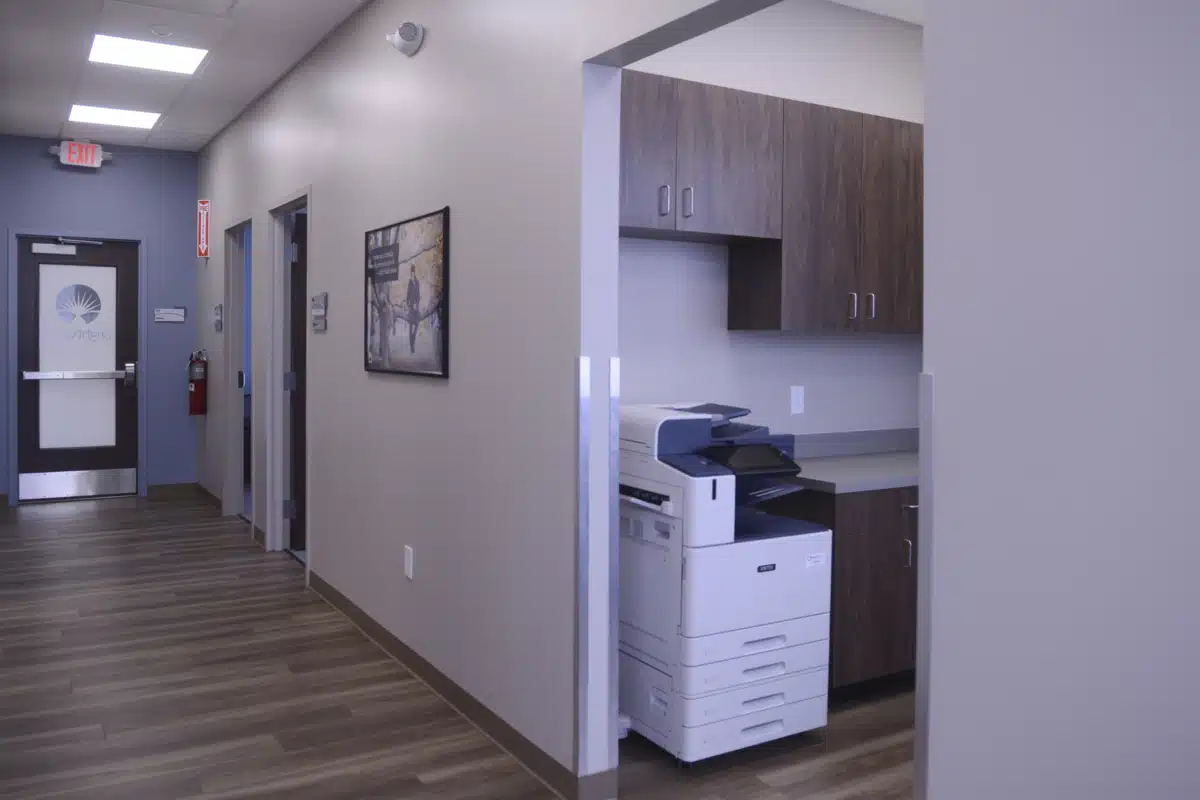
BrightView Health, situated in Attleboro, Massachusetts, provides a wide range of addiction treatment services for both adults and young adults. The facility supports individuals through detoxification and various levels of substance use treatment, including intensive outpatient, outpatient, and day treatment options. By employing evidence-based methods such as brief intervention, cognitive behavioral therapy, and community reinforcement with vouchers, BrightView Health ensures that each treatment plan is customized to meet the unique needs of its clients. The center has a specific emphasis on serving adult men and women, including those who have faced challenges related to intimate partner violence. With a commitment to delivering quality care and personalized assistance, BrightView Health strives to support individuals in their journey toward sustainable recovery.

The Massachusetts Center for Addiction, located in Quincy, MA, provides a wide array of services aimed at addressing addiction. These include treatment for substance use, transitional housing, and support for individuals facing both substance use and mental health disorders for both adults and children. The center offers various treatment modalities, encompassing intensive outpatient programs as well as long-term residential options. Its specialized approaches include 12-step facilitation, anger management, and brief intervention techniques. The center also features targeted programs designed specifically for active duty military personnel, as well as distinct services for adult men and women, accommodating different population needs. By serving both adults and young adults across genders, the facility emphasizes personalized care within a nurturing environment, helping individuals work toward sustainable recovery.
CleanSlate Centers, located in Lynn, Massachusetts, provides outpatient treatment for substance use disorders. The facility offers methadone, buprenorphine, and naltrexone programs, focusing on techniques such as motivational interviewing and relapse prevention, alongside counseling specific to substance use disorders. With an emphasis on personalized care, CleanSlate caters to both adults and young adults, regardless of gender. The center aims to create a supportive atmosphere for those seeking assistance with addiction, prioritizing quality care through individualized treatment plans. For individuals in Lynn looking for a thorough approach to substance use treatment, CleanSlate Centers delivers tailored programs to facilitate recovery.
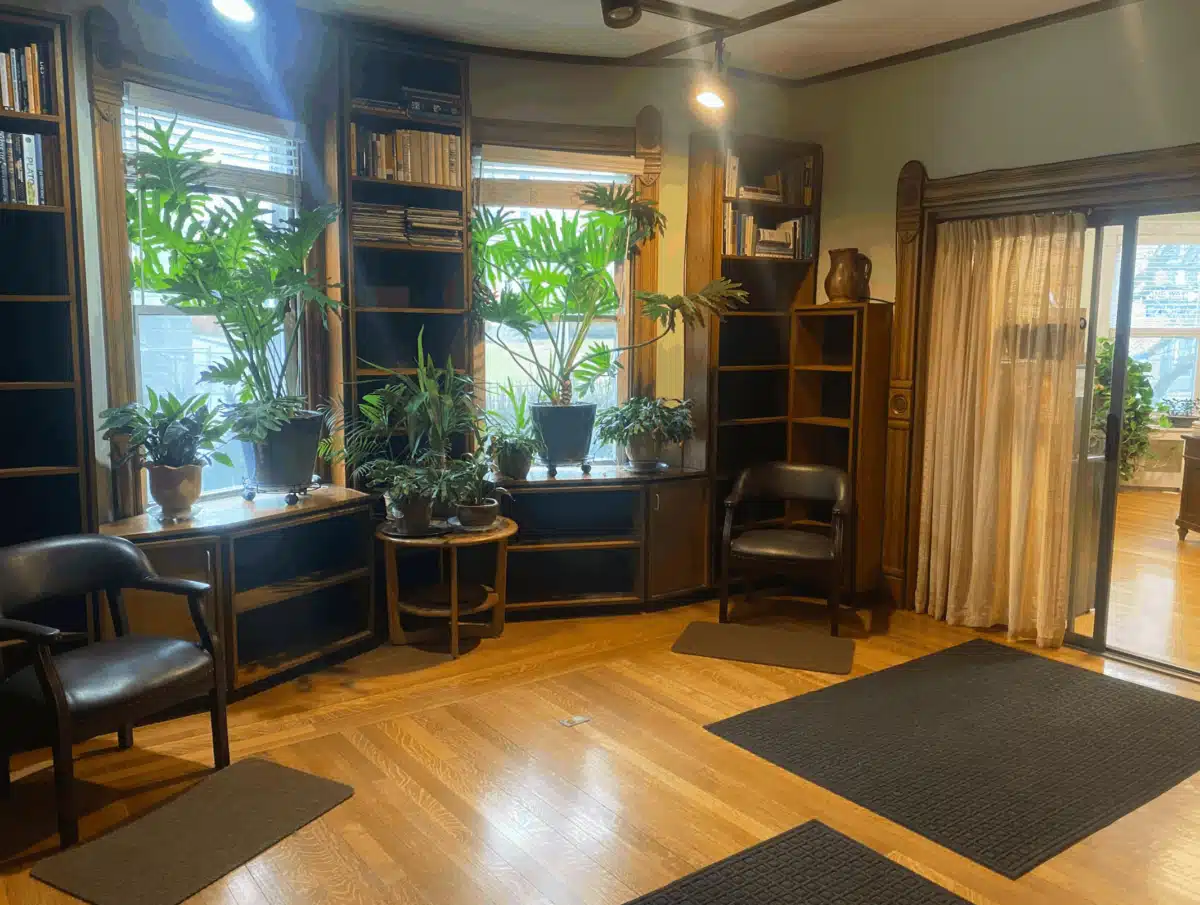
Middlesex Recovery PC, located in Norton, Massachusetts, provides targeted treatment for substance use disorders, addressing the needs of both adults and young adults. The center specializes in outpatient services, which include treatment options with methadone, buprenorphine, or naltrexone, as well as regular outpatient care and personalized treatment plans. By employing therapeutic techniques such as cognitive behavioral therapy, motivational interviewing, and substance use disorder counseling, Middlesex Recovery PC is committed to customizing its approach to suit each individual client. With a dedication to personalized care, the facility serves male and female clients who are seeking thorough support in their journey towards recovery.
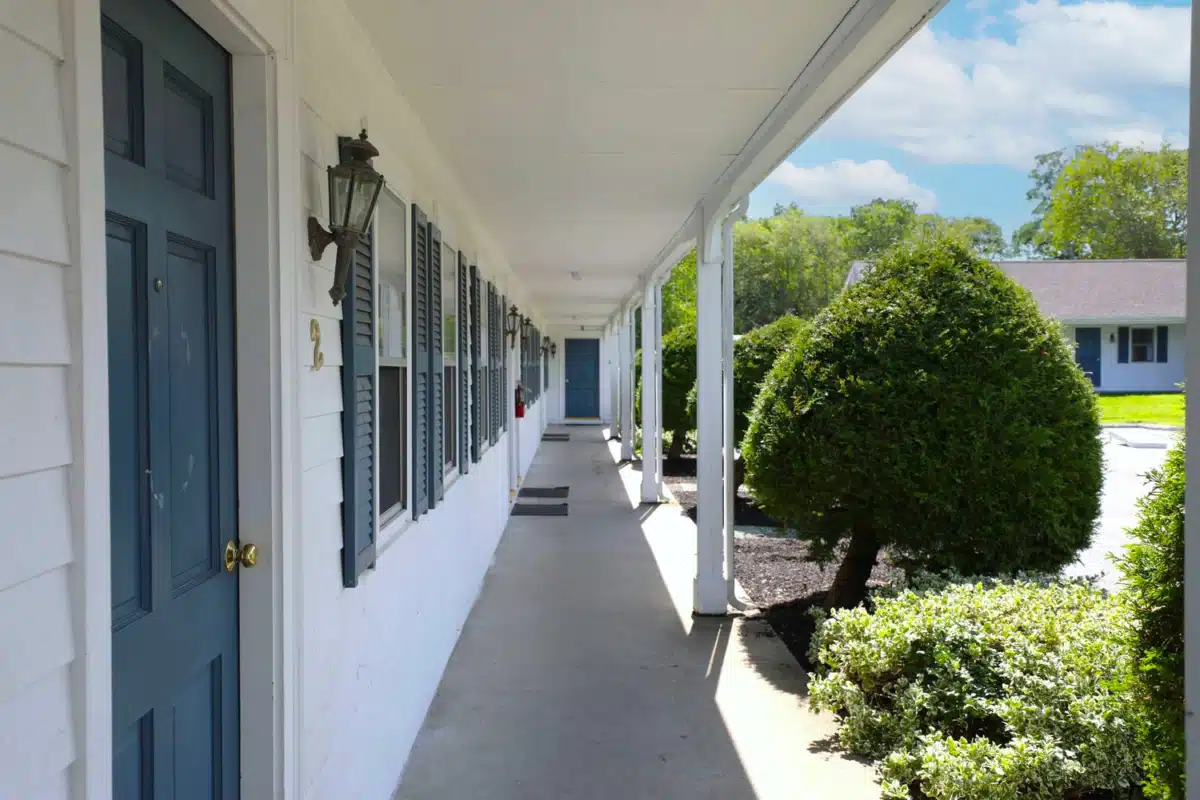
Recovering Champions LLC, situated in East Falmouth, MA, provides a comprehensive approach to substance use treatment aimed at both adults and young adults. The facility is particularly adept at addressing co-occurring substance use disorders along with significant mental health issues or emotional challenges in children. It emphasizes intensive outpatient and outpatient day treatment options, tailoring its programs to meet the needs of diverse populations, including active duty military members, as well as adult men and women. The center employs various therapeutic strategies, such as 12-step facilitation, anger management, and brief interventions to ensure that every individual receives care that aligns with their unique circumstances. With a clear focus on delivering quality and customized treatment, Recovering Champions LLC actively supports individuals throughout their recovery process.

Central Mass Clinical Associates Inc, located in Worcester, MA, provides specialized rehabilitation services for individuals facing challenges related to substance use and co-occurring mental health disorders, accommodating both adults and children. The facility emphasizes intensive outpatient treatment, outpatient care, and medication-assisted treatment options, including methadone, buprenorphine, and naltrexone. Their approach incorporates methods such as 12-step facilitation, anger management, and brief intervention to offer tailored support for each individual. In addition to their standard offerings, Central Mass Clinical Associates features distinct programs designed for adolescents and individuals who have experienced intimate partner violence, domestic violence, or sexual abuse. The center serves a diverse population, including adults, seniors, and young adults of all genders, ensuring a holistic and compassionate approach to addiction treatment for those in need.
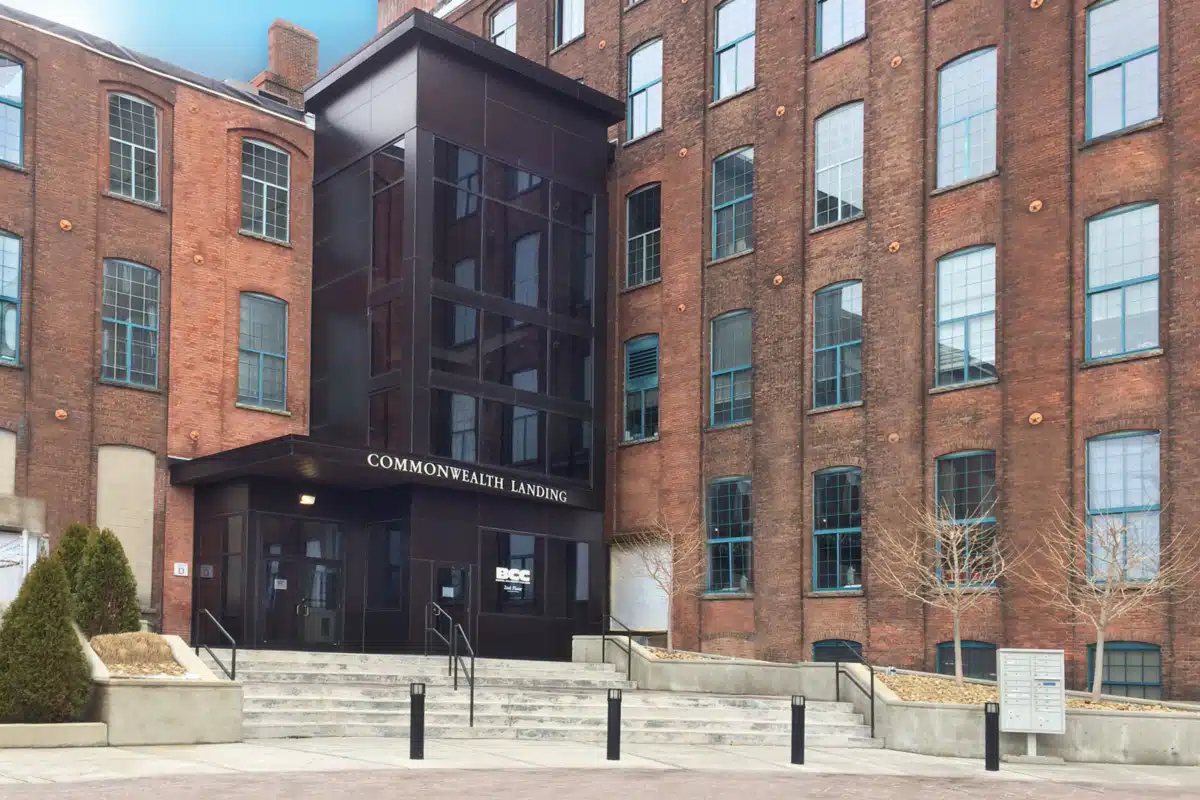
Arbour Counseling Services, located in Fall River, MA, provides outpatient treatment for substance use disorders, along with specialized services for adults dealing with co-occurring disorders associated with significant mental health issues or for children experiencing serious emotional disturbances. The facility emphasizes an individualized approach to treatment, offering services such as anger management, brief interventions, and cognitive behavioral therapy. This center serves both adults and seniors, accommodating individuals of any gender. Through their outpatient day treatment and partial hospitalization programs, Arbour Counseling Services aims to deliver comprehensive care that meets the unique needs of each patient, making it a valuable option for those in search of personalized support in their recovery journey.
About Eating Disorders Treatment
Eating disorders and substance use disorders share many underlying features — including compulsivity, impaired control, body image distortions, and emotional dysregulation. Research published in the National Eating Disorders Association estimates that up to 50% of individuals with eating disorders also abuse alcohol or drugs, compared to 9% of the general population. Massachusetts is home to several nationally recognized treatment programs that provide integrated care for co-occurring eating disorders and addiction.
Types of Eating Disorders
Eating disorders are serious, potentially life-threatening conditions that affect physical and mental health:
- Anorexia Nervosa: Characterized by severe food restriction, intense fear of weight gain, and distorted body image. Anorexia has the highest mortality rate of any psychiatric disorder. Individuals with anorexia may use stimulants, laxatives, or diet pills to suppress appetite or control weight.
- Bulimia Nervosa: Involves cycles of binge eating followed by compensatory behaviors such as purging (self-induced vomiting), laxative abuse, fasting, or excessive exercise. Alcohol misuse is particularly common among individuals with bulimia.
- Binge Eating Disorder (BED): The most common eating disorder, characterized by recurrent episodes of eating large amounts of food in a short period with a sense of loss of control, without regular compensatory behaviors. BED frequently co-occurs with depression and substance use.
- Other Specified Feeding/Eating Disorders (OSFED): Conditions that cause significant distress but do not meet full criteria for the above diagnoses. These are equally serious and deserving of treatment.
Eating Disorders and Substance Abuse
The co-occurrence of eating disorders and substance use is driven by several overlapping factors:
- Shared genetics: Research suggests common genetic vulnerabilities for both conditions, particularly involving serotonin and dopamine systems
- Weight control: Stimulants (cocaine, methamphetamine, Adderall), nicotine, and laxatives are used to suppress appetite and control weight
- Emotional regulation: Both eating disorder behaviors and substance use serve as maladaptive coping mechanisms for anxiety, depression, trauma, and emotional pain
- Impulsivity: Binge eating and substance bingeing share common neurological pathways related to impulse control
- Perfectionism and control: Anorexia and certain substance use patterns can reflect extreme attempts to maintain control
- "Drunkorexia": A colloquial term for restricting food intake to compensate for alcohol calories or to intensify alcohol's effects — a dangerous practice particularly common among college-age women
Treatment Levels for Eating Disorders
Eating disorder treatment requires careful medical monitoring due to the serious physical health consequences these conditions cause. Treatment levels include:
- Hospital inpatient: Required for medical emergencies — severe malnutrition, electrolyte imbalances, cardiac complications, or suicidal crisis
- Residential treatment: Structured 24/7 care with supervised meals, nutritional rehabilitation, individual and group therapy, and medical monitoring. Programs typically last 30-90 days or longer.
- Partial hospitalization (PHP): Day programs providing supervised meals, therapy, and medical monitoring while allowing patients to live at home or in a supportive housing environment
- Intensive outpatient (IOP): Less intensive than PHP, providing structured therapy and some meal support several times per week
- Outpatient: Individual therapy, nutritional counseling, and medical monitoring for individuals who are medically stable
Treatment Approaches
Effective treatment for co-occurring eating disorders and substance use requires expertise in both areas:
- CBT: CBT-E (Enhanced) is the leading evidence-based treatment for eating disorders and can be adapted for co-occurring substance use
- DBT: Particularly effective for binge eating and purging behaviors, teaching emotional regulation and distress tolerance skills
- Nutritional rehabilitation: Working with registered dietitians to normalize eating patterns, restore nutritional health, and challenge food-related fears
- Body image therapy: Addressing distorted body perception and unrealistic appearance standards
- Trauma processing: Many individuals with eating disorders have histories of trauma — PTSD treatment may be an essential component
- Family-Based Treatment (FBT): The gold standard for adolescent eating disorders, involving parents as active agents in their child's recovery
- Medication: Fluoxetine (Prozac) is FDA-approved for bulimia; other medications may help with co-occurring anxiety and depression
Finding Specialized Treatment in Massachusetts
Massachusetts is home to several nationally recognized eating disorder treatment programs. When seeking treatment for co-occurring eating disorders and substance use, look for:
- Programs with expertise in both eating disorders and addiction — not all addiction treatment centers are equipped to handle eating disorders, and vice versa
- Medical staff experienced in managing the physical complications of eating disorders (cardiac monitoring, electrolyte management, refeeding protocols)
- Registered dietitians specializing in eating disorder recovery
- A treatment philosophy that addresses both conditions as primary — not treating one as secondary to the other
- Structured meal support and nutritional rehabilitation alongside addiction treatment programming
Frequently Asked Questions
Should I treat my eating disorder or addiction first?
Ideally, both should be treated simultaneously in an integrated program. If medical stabilization is needed (for malnutrition or substance withdrawal), that takes priority. However, treating only one condition while neglecting the other significantly increases relapse risk for both. Integrated dual diagnosis treatment is the recommended approach.
Are eating disorders only about food and weight?
No. While food and weight are the visible symptoms, eating disorders are fundamentally about emotional regulation, control, trauma, identity, and relationships. Effective treatment addresses these deeper issues rather than focusing solely on eating behaviors.
Do eating disorders affect men?
Yes. While eating disorders are more commonly diagnosed in women, an estimated 10-25% of individuals with eating disorders are male. Men are also more likely to have co-occurring substance use. Male eating disorders are often underdiagnosed because of stigma and different presentation patterns (e.g., focus on muscularity rather than thinness).
Does insurance cover eating disorder treatment?
Yes. Under federal mental health parity laws and Massachusetts state law, eating disorder treatment must be covered at the same level as physical health conditions. MassHealth and most commercial plans cover all levels of eating disorder care. However, coverage disputes are common — advocacy organizations can help with insurance appeals.
For more information about eating disorders and co-occurring substance use:
- National Eating Disorders Association (NEDA)
- National Institute of Mental Health — Eating Disorders
- SAMHSA National Helpline — 1-800-662-4357
Recovery from eating disorders and addiction is possible with specialized care. Browse our directory of Massachusetts treatment centers or call the NEDA helpline at 1-800-931-2237 for eating disorder-specific guidance.