
Dual Diagnosis Rehab Centers
Dual diagnosis treatment provides integrated care for individuals with co-occurring mental health disorders and substance use disorders.
Found 215 rehab centers specializing in dual diagnosis across Massachusetts.
Last reviewed: March 27, 2026
Want us to find the perfect facility for you?
Call now - it's completely free!
Showing 20 of 215 dual diagnosis rehab centers

Casa Esperanza Inc, situated in Roxbury, Massachusetts, provides a wide range of substance use treatment services alongside transitional housing specifically designed for adult women. The facility addresses the complex needs of individuals facing co-occurring substance use disorders and serious mental health challenges, while also offering support for emotional issues in children. Emphasizing long-term residential care, Casa Esperanza employs various evidence-based methods, such as 12-step facilitation and anger management, to deliver tailored and gender-specific care to women in its programs. In addition to its core services, Casa Esperanza has developed specialized programs for active duty military members, survivors of intimate partner violence, and individuals dealing with domestic violence. The facility's approach is inclusive, serving adults, seniors, and young adults alike, and is committed to promoting sustainable recovery through individualized treatment plans that cater to the unique circumstances of each client.
Casa Esperanza Inc, situated in Roxbury, Massachusetts, provides outpatient services for substance use treatment aimed at adults and young adults. This facility is particularly equipped to support individuals grappling with both substance use disorders and serious mental health conditions. Among the therapeutic methods employed are 12-step facilitation, anger management strategies, and brief intervention techniques. The center is committed to serving various populations, including active duty military personnel, along with adult men and women. Casa Esperanza Inc emphasizes the importance of quality care, developing personalized treatment plans that address the distinct needs of each person. Those seeking rehabilitation services—whether adult men, women, or young adults—can find a comprehensive network of support at this center.
Casa Esperanza Inc, situated in Roxbury, MA, provides an extensive array of treatment options designed for individuals facing substance use disorders alongside co-occurring mental health challenges. The facility offers several levels of care, including intensive outpatient treatment, standard outpatient services, and outpatient day treatment, or partial hospitalization. A key focus of the center lies in methods such as 12-step facilitation, anger management, and brief intervention strategies. Casa Esperanza Inc also features specialized programs aimed at active duty military personnel and both adult men and women, catering to a diverse range of adults and young adults across all gender identities. Patients can anticipate a strong support system and quality care as they navigate their recovery process at this center.

Central Mass Clinical Associates Inc, located in Worcester, MA, provides specialized rehabilitation services for individuals facing challenges related to substance use and co-occurring mental health disorders, accommodating both adults and children. The facility emphasizes intensive outpatient treatment, outpatient care, and medication-assisted treatment options, including methadone, buprenorphine, and naltrexone. Their approach incorporates methods such as 12-step facilitation, anger management, and brief intervention to offer tailored support for each individual. In addition to their standard offerings, Central Mass Clinical Associates features distinct programs designed for adolescents and individuals who have experienced intimate partner violence, domestic violence, or sexual abuse. The center serves a diverse population, including adults, seniors, and young adults of all genders, ensuring a holistic and compassionate approach to addiction treatment for those in need.

Chapters Recovery Center Inc, located in Danvers, MA, provides comprehensive treatment for substance use disorders, as well as care for co-occurring mental health conditions in both adults and children. The facility offers a range of treatment options including intensive outpatient, outpatient, and day treatment programs. These are designed to meet individual needs and incorporate various therapeutic approaches such as 12-step facilitation, anger management, and brief interventions. Additionally, tailored programs aim to serve specific populations, including active duty military personnel, adult men, and women, ensuring that each individual receives appropriate and specialized care. Focused on adults and young adults regardless of gender, the center is committed to delivering quality care and holistic approaches, promoting enduring recovery.
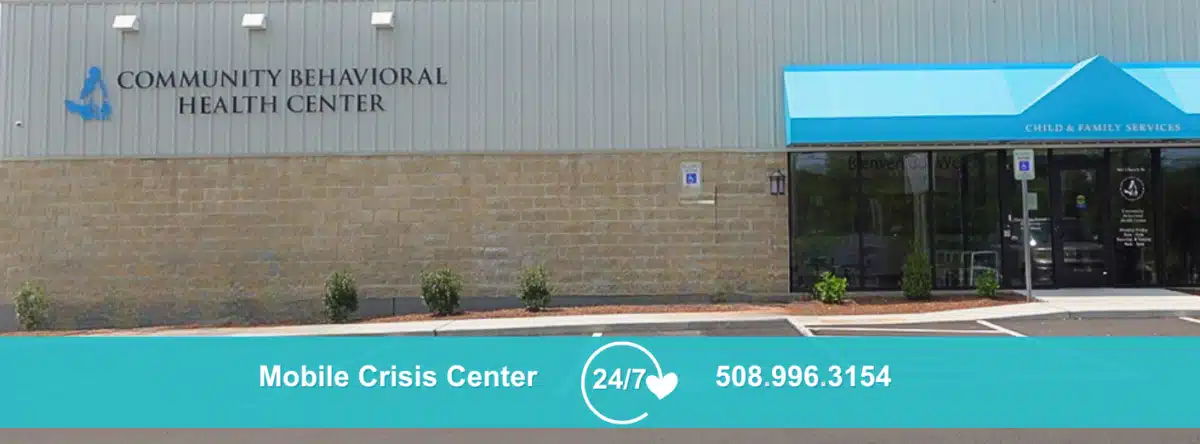
Child and Family Services, situated in New Bedford, MA, provides outpatient treatment for substance use aimed at both adults and seniors. The facility is adept at addressing co-occurring substance use disorders in conjunction with significant mental health issues or emotional challenges that children may face. Their approach incorporates a variety of evidence-based methods, including cognitive behavioral therapy, brief intervention, and anger management. Emphasizing personalized care, the center develops specialized programs designed for adult men and women, as well as individuals experiencing both mental health and substance use disorders. This commitment ensures that all clients receive comprehensive treatment within a nurturing and supportive environment.

Clearbrook Treatment Center MA LLC, located in Baldwinville, MA, provides a full range of addiction treatment services designed for adults and young adults. The facility features long-term residential programs, outpatient options, and residential detoxification services, each tailored to meet the specific needs of individuals seeking help. The center integrates techniques such as 12-step facilitation, anger management, and brief intervention strategies, ensuring that each client receives a customized treatment plan. Focusing on the treatment of co-occurring substance use and mental health disorders, Clearbrook is committed to delivering high-quality care with an emphasis on individualized programs. Welcoming both male and female clients, the center strives to support individuals on their journey toward lasting recovery.

Commonwealth Collaborative, situated in Great Barrington, MA, provides a wide array of substance use treatment services designed for both adults and children. This facility specifically addresses the needs of individuals facing co-occurring severe mental health disorders. Among the treatment options available are intensive outpatient programs, outpatient day treatment, and partial hospitalization programs. The center emphasizes a personalized approach to care, utilizing methods such as 12-step facilitation, anger management, and brief interventions to address the unique circumstances of each person. In addition to its general offerings, Commonwealth Collaborative features specialized programs tailored to the needs of adolescents, adult men, and adult women. By accommodating both genders, the center strives to deliver effective treatment and support for those on their journey toward recovery and greater well-being.
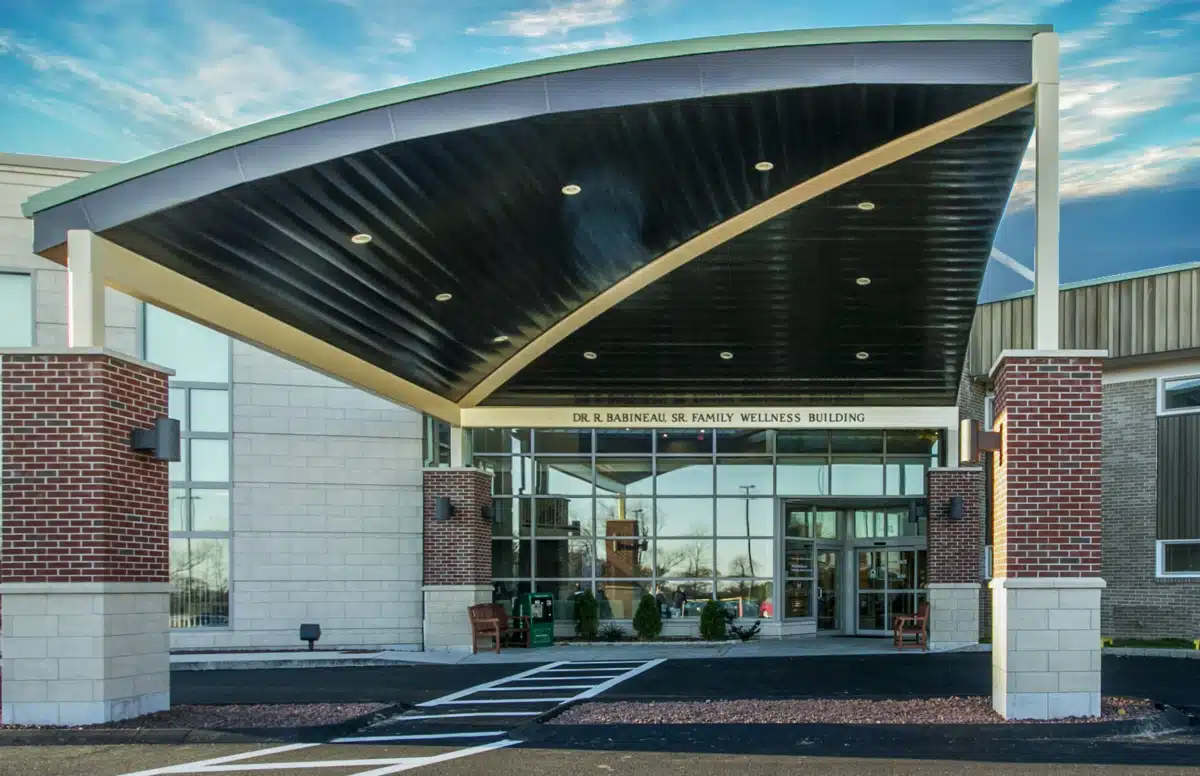
Community Health Connections Inc, located in Leominster, MA, delivers specialized outpatient care for both substance use disorders and co-occurring mental health issues in individuals of all ages, including adults and children. The facility employs a range of therapeutic methods, such as cognitive behavioral therapy and community reinforcement strategies, to create personalized treatment plans. Their programs are designed to accommodate clients facing challenges related to mental health alongside substance use, as well as individuals contending with pain and addiction. This center provides a variety of comprehensive treatment options, including outpatient services utilizing methadone, buprenorphine, or naltrexone, and serves a diverse demographic, including adults and seniors of all genders. Emphasizing quality care and tailored support, Community Health Connections Inc aims to be a reliable resource for individuals pursuing their path to recovery.
Community Health Connections Inc, located in Fitchburg, MA, provides a wide range of outpatient services designed to support both adults and children facing substance use challenges, particularly those with co-occurring mental health disorders. The center's specialized programs address the complex needs of individuals dealing with substance use issues alongside serious emotional disturbances. Among the services offered are outpatient treatment utilizing methadone or buprenorphine, as well as cognitive behavioral therapy, both of which incorporate evidence-based methodologies. This facility employs strategies such as brief intervention and community reinforcement with vouchers to enhance treatment outcomes. The center also recognizes the unique requirements of clients who experience simultaneous pain and substance use disorders, extending its services to adults and seniors across all genders. Community Health Connections Inc prioritizes the delivery of personalized rehabilitation care, aiming to foster recovery and overall wellness for its clients.
Community Health Connections Inc, situated in Fitchburg, MA, provides extensive outpatient treatment for substance use that caters to both adults and children who are dealing with serious mental health conditions that occur alongside substance use issues. The facility features targeted programs designed for individuals living with HIV/AIDS, those facing co-occurring mental and substance use disorders, and individuals managing pain combined with substance use concerns. Emphasizing treatment methods such as cognitive behavioral therapy and community reinforcement approaches, the center also administers outpatient options for methadone, buprenorphine, or naltrexone. By serving adults and seniors of all genders, this facility focuses on delivering personalized care and support to individuals navigating their journey towards recovery from addiction and mental health difficulties.
Community Health Connections Inc., located in Gardner, MA, provides outpatient services specifically designed for individuals dealing with substance use and co-occurring disorders. The facility addresses the needs of both adults and children, offering specialized programs that support those experiencing mental health challenges and emotional difficulties, in addition to issues related to pain and substance use. The center utilizes evidence-based methods, including cognitive behavioral therapy and community reinforcement strategies, to deliver effective care tailored for men, women, and seniors. Emphasizing brief interventions and the development of personalized treatment plans, Community Health Connections Inc. is committed to assisting individuals as they navigate their recovery journey.
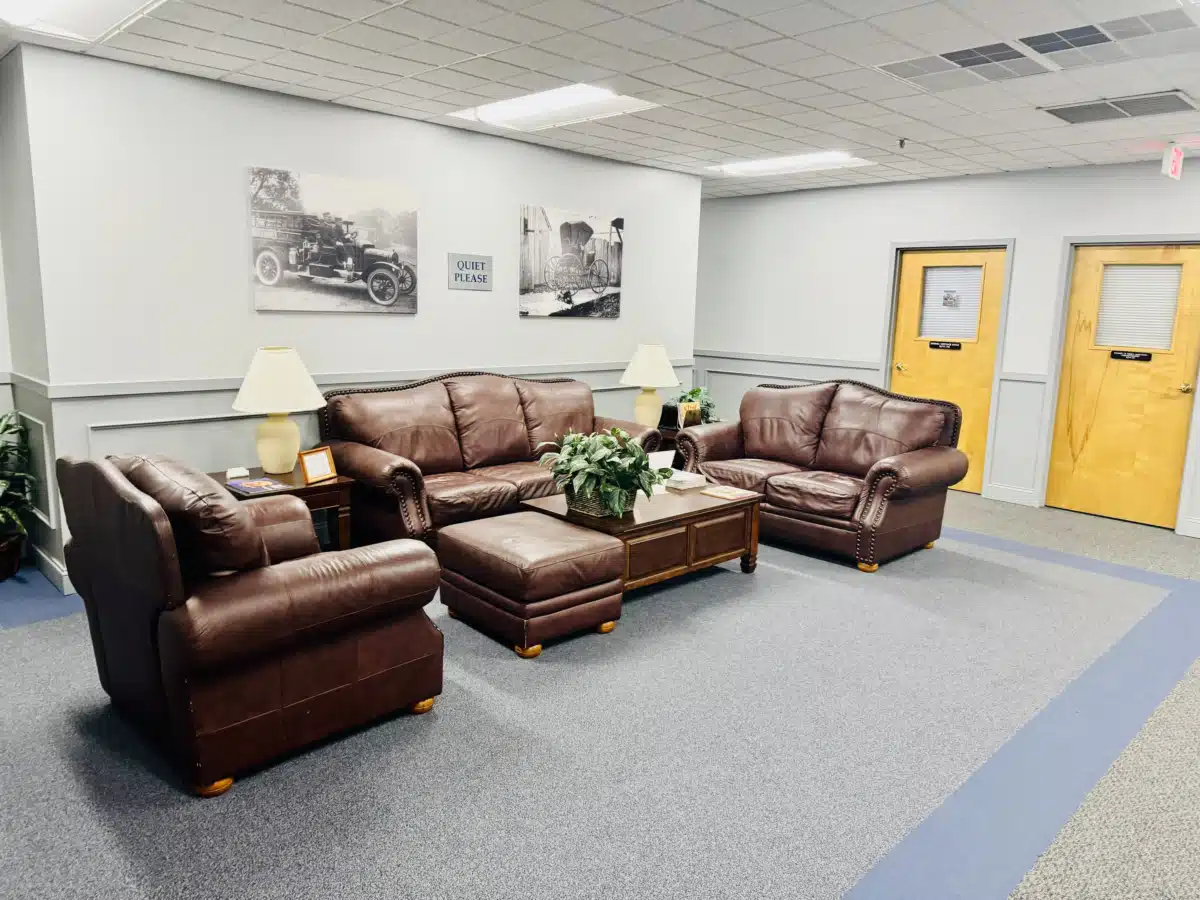
Situated in Amesbury, Massachusetts, the Center for Behavioral Health specializes in addressing substance use disorders among both adults and young adults who are also facing significant mental health challenges. The facility offers a range of outpatient services, such as cognitive-behavioral therapy, brief interventions, and anger management, designed to meet the unique needs of its clients. By providing targeted programs for adult men, adult women, and individuals who have been through trauma, the center focuses on delivering personalized care. In addition to regular outpatient programs, the center offers treatment options that include outpatient use of methadone, buprenorphine, or naltrexone, ensuring that various treatment needs are met. With a commitment to quality care and ongoing support, the Center for Behavioral Health aims to assist individuals as they navigate their recovery journey.
Situated in Springfield, MA, Clinical and Support Options Inc provides a wide range of outpatient services aimed at individuals who are looking for detoxification and treatment for substance use issues. The facility has a particular emphasis on addressing co-occurring disorders, which allows it to offer outpatient detox programs alongside treatments involving methadone and buprenorphine. The therapeutic approaches employed at this facility include methods such as anger management and cognitive behavioral therapy, catering to the diverse needs of clients. Programs are specifically designed for adult men and women, including those who have faced intimate partner violence. The center prioritizes the care of both adults and seniors, offering gender-specific treatment options to enhance the personal relevance of the services provided. With a commitment to delivering quality care and individualized support, Clinical and Support Options Inc works to facilitate the journey toward sustainable recovery for its clients.

Situated in Gardner, MA, the Carl E Dahl House at Evergreen Grove provides long-term residential treatment for substance use specifically aimed at adult men who also deal with co-occurring mental health disorders. This facility is committed to delivering round-the-clock care, employing evidence-based strategies, including 12-step facilitation, anger management, and brief intervention. They offer customized programs catering to adult men and individuals facing both mental health and substance use challenges, accommodating clients across various age groups, including adults, seniors, and young adults. With an emphasis on high-quality care and personalized treatment plans, this center serves as a reliable option for those in need of comprehensive rehabilitation services.

Catholic Charities, situated in Leominster, MA, provides long-term residential treatment that emphasizes support for individuals facing challenges related to substance use, as well as those in need of transitional housing. The facility is equipped to address the needs of those who are dealing with co-occurring substance use disorders and serious mental health issues. With therapeutic approaches that include 12-step facilitation, anger management, and cognitive behavioral therapy, the center specializes in supporting adult women who have encountered intimate partner violence, domestic violence, or sexual abuse. The program is designed to cultivate a safe and supportive atmosphere, catering to adults, seniors, and young adults. By focusing exclusively on female clients, Catholic Charities offers a holistic approach to both recovery and emotional healing, ensuring that each individual receives the specialized care they require during their treatment journey.
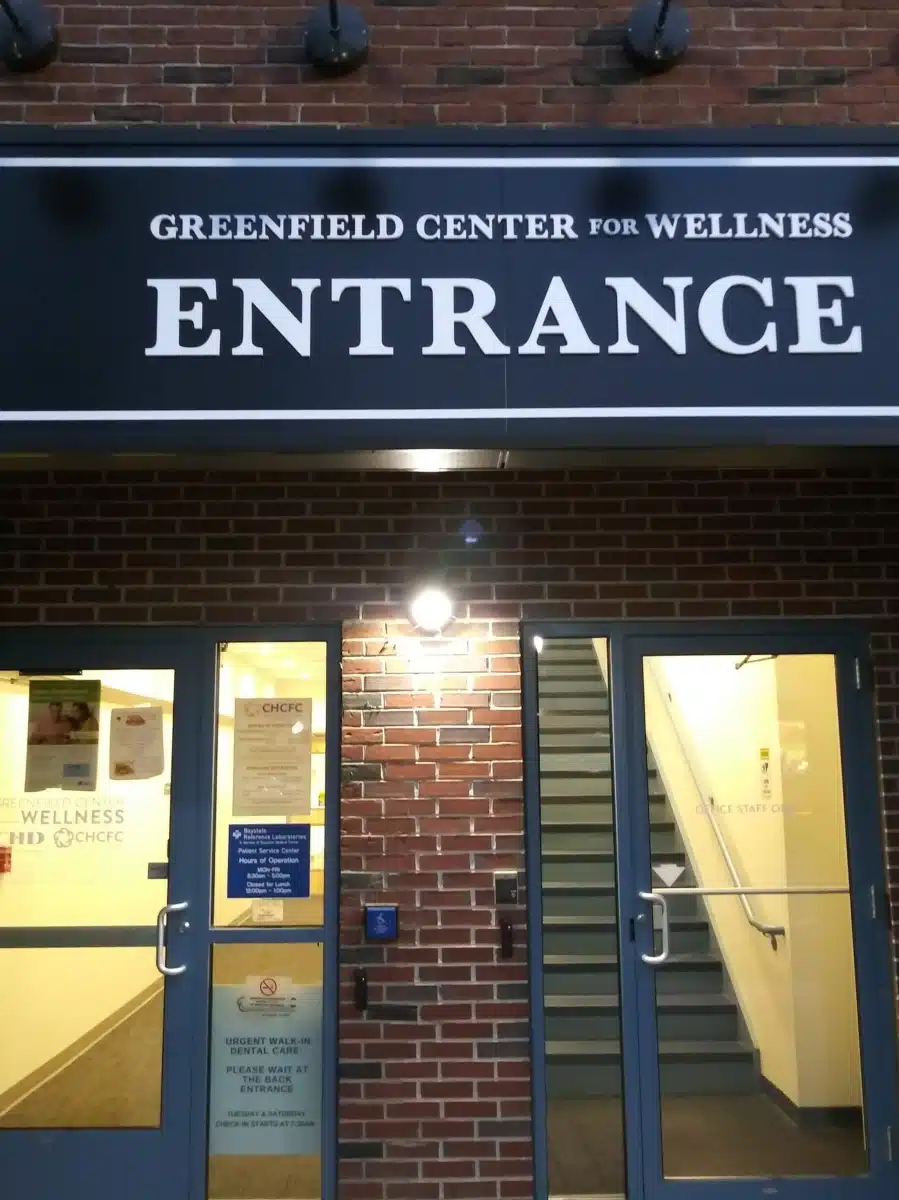
CHD, located in Greenfield, MA, provides specialized outpatient services for adults and children/adolescents dealing with substance use and co-occurring disorders. The facility employs a variety of evidence-based methods, including cognitive behavioral therapy and anger management, to address the unique needs of its clients. Both male and female individuals can access these services, and the center has specific programs designed for pregnant or postpartum women, as well as clients involved with the criminal justice system. Among the treatments offered at CHD are outpatient options for methadone, buprenorphine, or naltrexone, in addition to regular outpatient care. With a strong commitment to quality and individualized treatment plans, CHD serves as a reliable resource for those seeking rehabilitation services within the Greenfield community.
Located in Somerville, MA, Caspar Inc provides long-term and 24-hour residential treatment programs aimed at adult men who are managing both mental health issues and substance use disorders. The facility employs evidence-based methods, including 12-step facilitation, brief intervention, and cognitive behavioral therapy, to create customized care plans that address the unique needs of its residents. Catering to adults, including seniors and young adults, Caspar Inc emphasizes individualized treatment approaches to support each client effectively. The center is dedicated to delivering quality care through its specialized programs, making it a valuable option for individuals seeking comprehensive addiction treatment in a residential environment.
Located in Orange, Massachusetts, CHD serves as a rehabilitation facility that offers a variety of outpatient services designed to address substance use issues, co-occurring disorders, and significant mental health challenges in adults, as well as emotional disturbances in children. The center features specialized programs tailored to the needs of criminal justice and forensic clients, ensuring that care is appropriately customized for individuals of all genders. With a focus on evidence-based practices, CHD employs methods including cognitive behavioral therapy, anger management techniques, and brief interventions to provide effective support to both adults and children. For those in need of outpatient care or specific therapies using methadone, buprenorphine, or naltrexone, CHD is committed to assisting individuals as they navigate their recovery journeys.
Located in Athol, MA, Clinical and Support Options Inc provides outpatient services to address substance use disorders and co-occurring serious mental health issues in adults. Additionally, the center offers support for children and adolescents dealing with serious emotional disturbances. Their approach incorporates evidence-based methodologies, including anger management, cognitive behavioral therapy, and motivational interviewing, all designed to meet individual needs. Emphasizing personalized treatment, the programs are inclusive of all genders, ensuring that both adults and younger clients receive appropriate care. The facility is dedicated to delivering specialized treatment plans that reflect their commitment to quality care in a supportive rehabilitation environment.
About Dual Diagnosis Treatment
Dual diagnosis — also known as co-occurring disorders — refers to the simultaneous presence of a mental health disorder and a substance use disorder. According to the Substance Abuse and Mental Health Services Administration (SAMHSA), approximately 9.2 million adults in the United States have co-occurring disorders. In Massachusetts, where access to behavioral health services is a public health priority, specialized dual diagnosis programs offer integrated treatment that addresses both conditions together for the best chance at lasting recovery.
What Is Dual Diagnosis?
Dual diagnosis occurs when an individual experiences both a substance use disorder and a mental health condition at the same time. These conditions often interact with and worsen each other — substance use can trigger or intensify mental health symptoms, while untreated mental health disorders can drive individuals toward self-medication with drugs or alcohol.
The relationship between mental health and addiction can develop in several ways:
- Self-medication: Individuals use substances to cope with anxiety, depression, trauma, or other mental health symptoms
- Substance-induced disorders: Chronic substance use alters brain chemistry, triggering mental health conditions
- Shared risk factors: Genetic predisposition, childhood trauma, and environmental stress can increase risk for both conditions
- Mutual reinforcement: Each condition makes the other harder to treat, creating a cycle that is difficult to break without professional help
Common Co-Occurring Disorder Combinations
While any mental health disorder can co-occur with substance use, some combinations are particularly common:
- Depression and alcohol addiction: One of the most prevalent dual diagnosis combinations. Alcohol is a central nervous system depressant that can worsen depressive symptoms over time.
- Anxiety disorders and benzodiazepine abuse: Individuals prescribed benzodiazepines for anxiety may develop dependency, or those with untreated anxiety may use alcohol or other sedatives to self-medicate.
- PTSD and opioid/alcohol addiction: Trauma survivors frequently use substances to numb painful memories and hyperarousal symptoms.
- Bipolar disorder and substance use: Studies show that over 50% of individuals with bipolar disorder also develop a substance use disorder, often using stimulants during depressive episodes or alcohol during manic phases.
- ADHD and stimulant misuse: Individuals with undiagnosed or untreated ADHD may misuse prescription or illicit stimulants.
- Eating disorders and substance use: Eating disorders frequently co-occur with alcohol and stimulant use.
Integrated vs. Sequential Treatment
Historically, mental health and addiction were treated separately — often by different providers with different philosophies. This approach, known as sequential or parallel treatment, frequently led to poor outcomes because addressing only one condition left the other untreated and free to undermine recovery.
Integrated treatment is now recognized as the most effective approach for dual diagnosis. In integrated programs, both conditions are treated simultaneously by a coordinated team of professionals who understand the complex interplay between mental health and addiction.
Key elements of integrated dual diagnosis treatment include:
- Comprehensive assessment: Thorough evaluation of both mental health and substance use, including trauma history, family dynamics, and medical needs
- Unified treatment planning: A single treatment plan that addresses both conditions with coordinated goals
- Psychiatric medication management: Careful prescribing of medications for mental health conditions, with attention to addiction risk and drug interactions
- Cognitive Behavioral Therapy (CBT): Addresses distorted thinking patterns that contribute to both substance use and mental health symptoms
- Dialectical Behavior Therapy (DBT): Particularly effective for individuals with emotional regulation difficulties, borderline personality features, and self-destructive behaviors
- Trauma-informed care: Recognition that trauma often underlies both conditions, with specialized therapies like EMDR and Seeking Safety
- Peer support: Dual recovery groups and mutual aid programs designed for individuals with co-occurring disorders
Finding Dual Diagnosis Programs in Massachusetts
Massachusetts is a national leader in behavioral health services and has numerous treatment programs specializing in co-occurring disorders. When looking for a dual diagnosis program, consider:
- Staff qualifications: Look for programs with psychiatrists, licensed clinical psychologists, and addiction counselors who have specific training in co-occurring disorders
- Assessment process: Quality programs conduct thorough assessments for both mental health and substance use before developing a treatment plan
- Evidence-based practices: The program should use treatments supported by research, such as CBT, DBT, MAT, and trauma-informed therapies
- Level of care: From residential treatment to intensive outpatient, the appropriate level depends on symptom severity and functional impairment
- Aftercare planning: Strong programs include comprehensive discharge planning with connections to ongoing psychiatric care, therapy, support groups, and community resources
- Insurance coverage: Massachusetts law requires insurance parity for mental health and substance use treatment — verify coverage details with your provider
Treatment Approaches for Co-Occurring Disorders
Dual diagnosis treatment incorporates multiple therapeutic modalities to address the complexity of co-occurring conditions:
- Individual psychotherapy: One-on-one sessions with a therapist trained in both addiction and mental health treatment
- Group therapy: Specialized dual diagnosis groups where participants share experiences and learn from peers facing similar challenges
- Psychopharmacology: Medication management by psychiatrists experienced in treating co-occurring disorders, using non-addictive alternatives when possible
- Motivational interviewing: Helps resolve ambivalence about treatment and build commitment to change
- Mindfulness-based practices: Teach awareness and acceptance skills that benefit both mental health and addiction recovery
- Family therapy: Educates families about co-occurring disorders and helps rebuild relationships affected by both conditions
Frequently Asked Questions
How do I know if I have a dual diagnosis?
If you are struggling with substance use and also experience persistent mental health symptoms — such as prolonged sadness, anxiety, mood swings, difficulty concentrating, or trauma-related symptoms — you may have co-occurring disorders. A comprehensive evaluation by a qualified mental health and addiction professional can provide an accurate diagnosis.
Should I treat my mental health or addiction first?
Ideally, both should be treated simultaneously through an integrated program. Research consistently shows that treating only one condition while neglecting the other leads to higher relapse rates and poorer outcomes. If medical detox is needed, it may come first, but mental health treatment should begin as soon as it is safely possible.
Does insurance cover dual diagnosis treatment?
Yes. Under federal mental health parity laws and Massachusetts state law, health insurance plans must provide coverage for both mental health and substance use disorder treatment at the same level as medical and surgical care. MassHealth (Medicaid) covers comprehensive dual diagnosis services.
What if my loved one refuses treatment?
It is common for individuals with co-occurring disorders to resist treatment due to denial, shame, or the influence of their conditions. Family education, intervention services, and consultation with treatment professionals can help. Massachusetts also provides emergency psychiatric evaluation options (Section 12) for individuals who pose a danger to themselves.
How long does dual diagnosis treatment take?
Dual diagnosis treatment typically requires longer engagement than single-disorder treatment. Residential programs may last 30-90 days or longer, followed by step-down to outpatient care. Ongoing psychiatric care and therapy often continue for months or years. Recovery is a long-term process, and continued support is essential.
For authoritative information about co-occurring disorders:
- SAMHSA National Helpline — Free Treatment Referrals
- National Institute of Mental Health — Substance Use and Co-Occurring Mental Disorders
- NIDA — Comorbidity: Substance Use and Other Mental Disorders
Recovery from co-occurring disorders is absolutely possible with the right support. Browse our directory of Massachusetts treatment centers to find integrated dual diagnosis programs near you, or call the Massachusetts Substance Use Helpline at 1-800-327-5050 for confidential guidance.