
Depression Rehab Centers
Depression treatment in addiction recovery addresses co-occurring mental health conditions through therapy, medication management, and integrated care approaches.
Found 331 rehab centers specializing in depression across Massachusetts.
Last reviewed: March 27, 2026
Want us to find the perfect facility for you?
Call now - it's completely free!
Showing 20 of 331 depression rehab centers
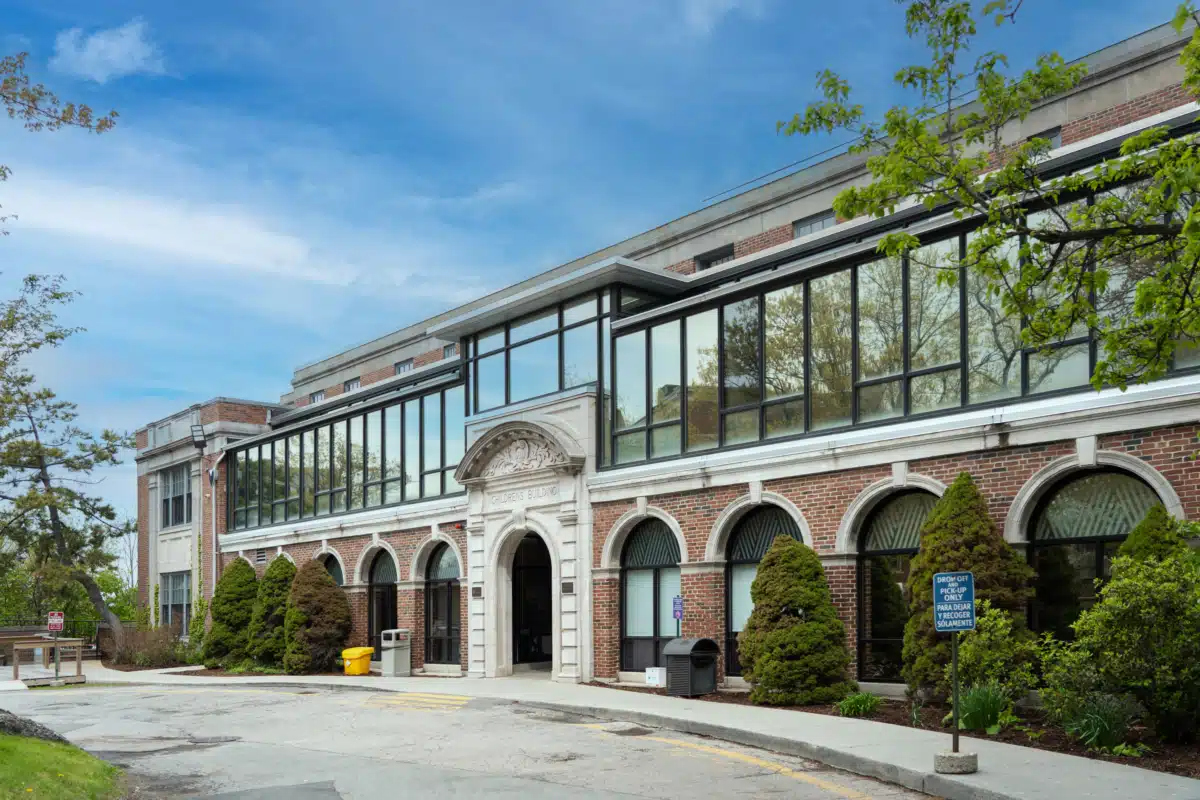
Situated in Roxbury, MA, the Dimock Center delivers a wide range of substance use treatment services, alongside specialized support for individuals facing both substance use disorders and serious mental health issues. The facility offers various programs including intensive outpatient treatment, outpatient services, and day treatment, incorporating evidence-based practices such as cognitive behavioral therapy, brief interventions, and anger management. Dimock Center is committed to addressing the unique needs of its clients by providing customized programs for adult men, women, and individuals who have experienced intimate partner violence. Serving a diverse population of adults and young adults across all genders, the center emphasizes personalized care and tailored treatment plans aimed at fostering effective recovery pathways.

Situated in Lowell, Massachusetts, Lowell Community Health Center Inc provides a wide range of outpatient services for adults dealing with substance use issues, particularly those who also face mental health challenges. This facility features tailored programs for adolescents as well as for adult men and women, employing evidence-based treatments that include anger management, cognitive behavioral therapy, and brief interventions. Committed to offering quality care, Lowell Community Health Center Inc also administers outpatient treatments with methadone, buprenorphine, or naltrexone, accommodating adults and seniors regardless of gender. For those looking for effective addiction treatment in a nurturing setting, this center strives to support individuals on their journey toward recovery.
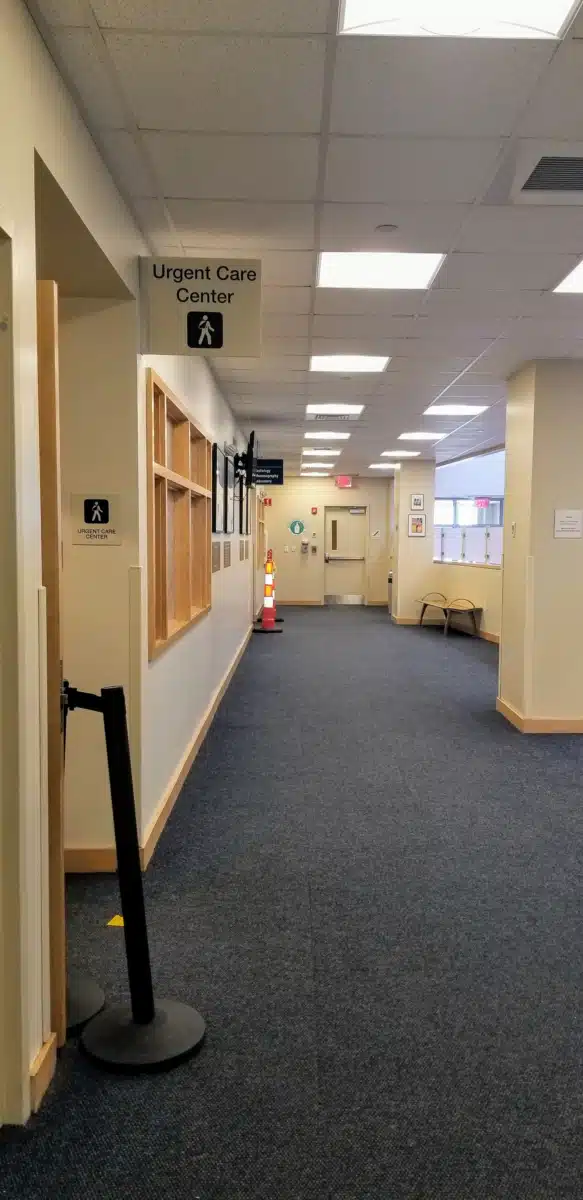
Situated in Lynn, Massachusetts, Lynn Community Health Center Inc provides a wide range of substance use treatment services for both adults and children who also face co-occurring mental health issues. The center's outpatient offerings include treatments such as methadone or buprenorphine therapy, alongside cognitive behavioral therapy. Emphasizing brief interventions and employing motivational incentives, the facility is dedicated to supporting adult men, individuals who have experienced trauma, and those managing dual diagnoses. The center serves adults and seniors of all genders, ensuring that care is high-quality and specifically tailored to meet the individual needs of each client.

Evolve Recovery Center at Millbury LLC, located in Millbury, MA, specializes in treating substance use disorders in adults, as well as addressing serious mental health conditions and emotional challenges in children. The center offers both residential and short-term residential treatment programs, emphasizing techniques such as 12-step facilitation, anger management, and brief interventions. Evolve Recovery Center adopts a distinctive approach that centers on individual needs, ensuring that care is customized for both adults and young adults. The facility is designed to support a diverse clientele, accommodating both male and female individuals, and is dedicated to delivering comprehensive treatment aimed at guiding clients through their recovery journey.
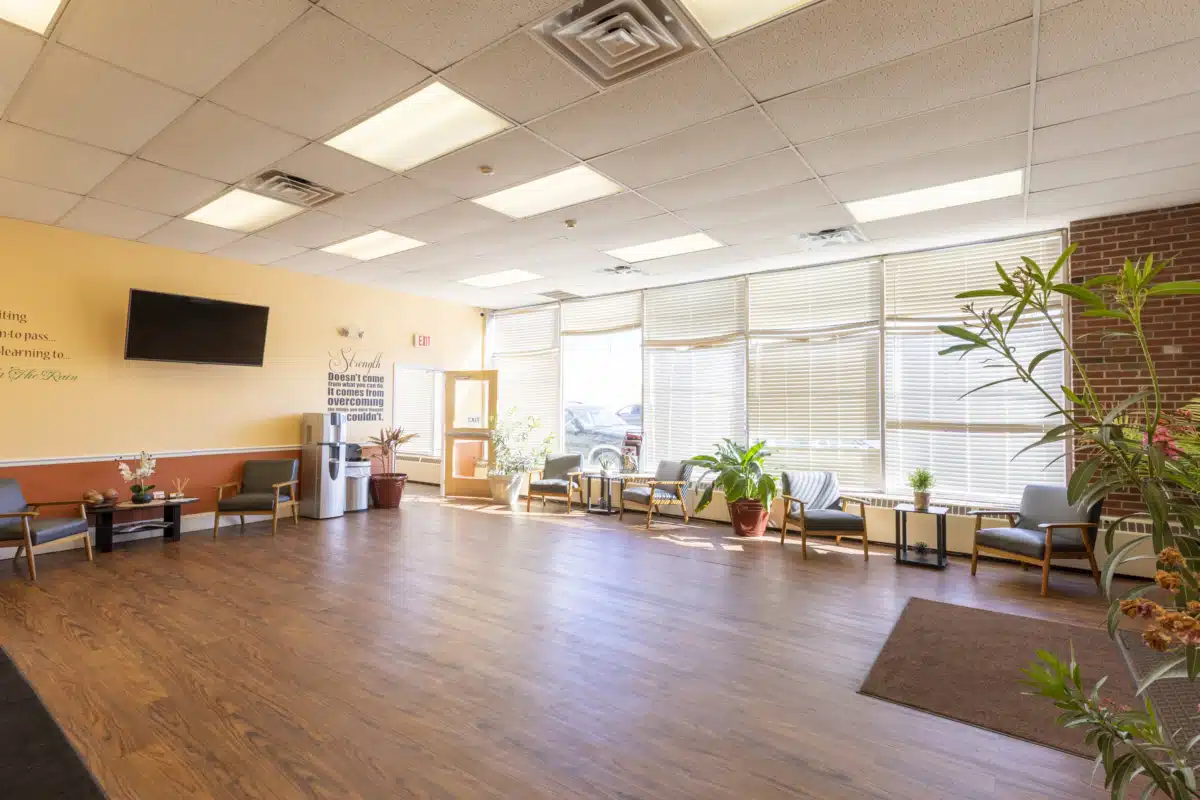
New Horizons Medical, situated in Quincy, MA, provides a wide array of outpatient rehabilitation services that focus on treating substance use disorders among adults and young adults. The facility is equipped to address both co-occurring substance use disorders and significant mental health conditions in adults, as well as serious emotional disturbances in children. With tailored programs available for diverse groups, including active duty military personnel, adult men, and adult women, New Horizons Medical supports a variety of individual needs. The center employs a range of treatment methodologies, incorporating strategies such as 12-step facilitation, anger management, and brief interventions to facilitate personalized care. They offer outpatient treatment options that include methadone, buprenorphine, and naltrexone, complemented by regular outpatient services. This approach underscores their commitment to delivering effective support for both male and female clients, ensuring that each person receives the appropriate level of care necessary for their recovery journey.
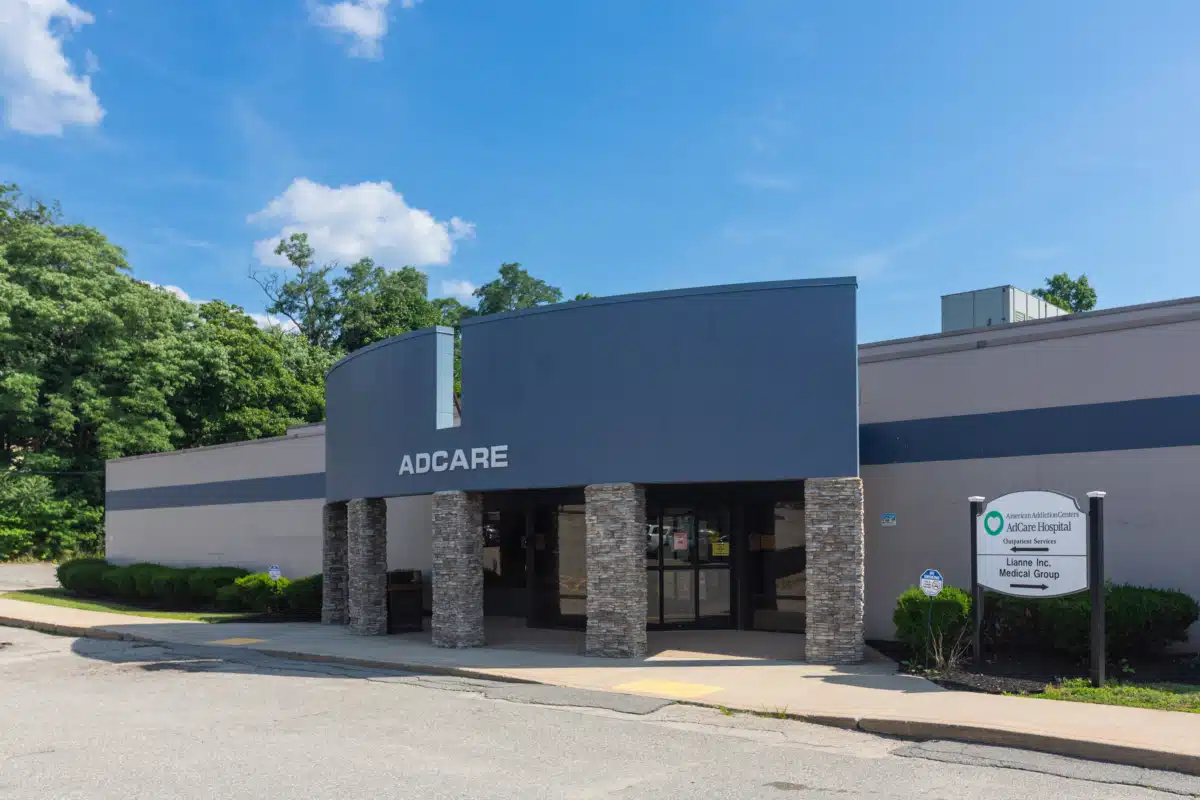
AdCare Outpatient, located in Worcester, MA, provides intensive outpatient services designed to address substance use issues along with co-occurring mental health conditions in both adults and young adults. Their programs are specifically designed for adult men, adult women, and individuals facing co-occurring disorders, focusing on tailored treatment options that meet diverse needs. The facility employs various treatment strategies, including 12-step facilitation, anger management, and brief interventions, to create comprehensive care plans. Patients can choose from options such as outpatient programs, day treatment, or partial hospitalization, all designed to deliver gender-sensitive support. AdCare Outpatient prioritizes evidence-based methodologies and individualized treatment plans to facilitate effective rehabilitation for those working through challenges related to addiction and mental health.
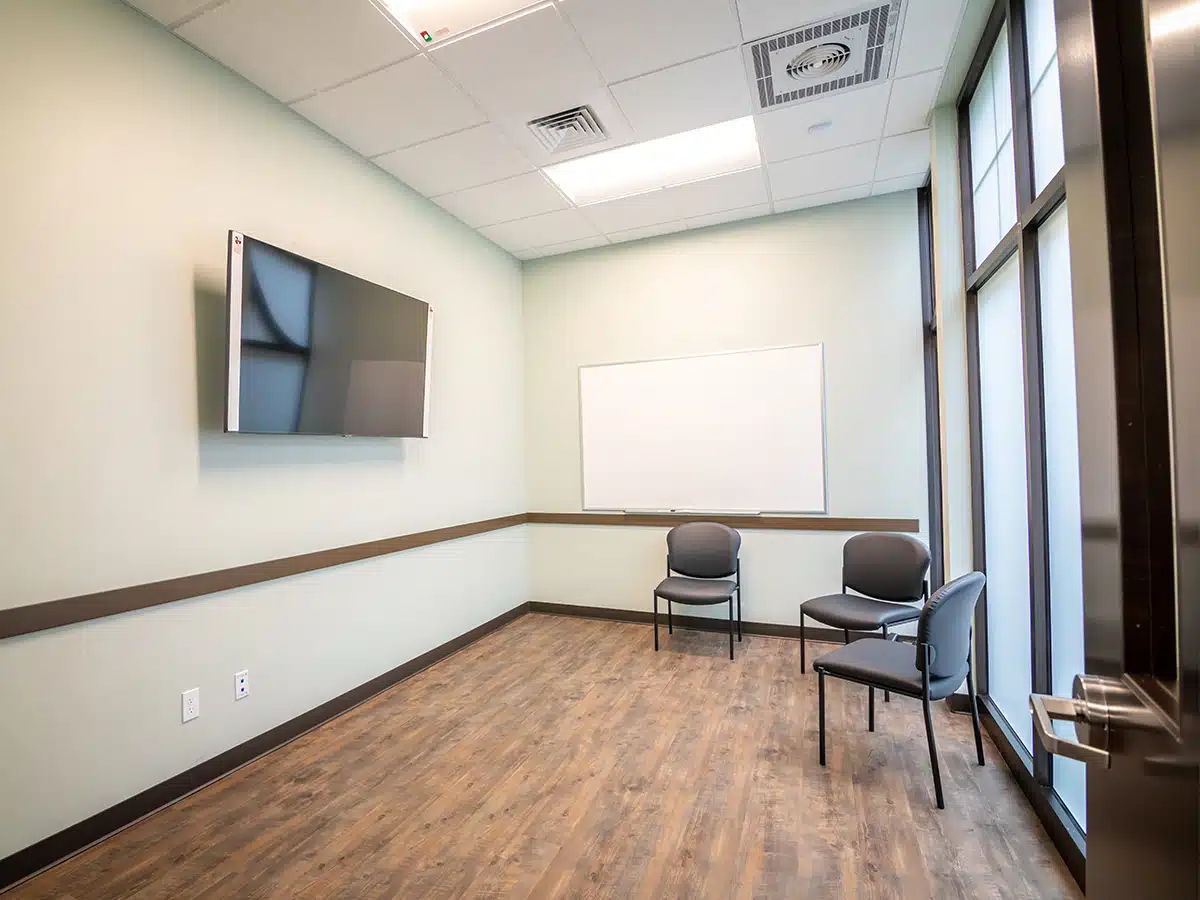
Gifford Street Comprehensive Treatment Center, located in New Bedford, MA, provides a wide array of outpatient services tailored for adults dealing with substance use disorders and concurrent serious mental health challenges. The facility also addresses emotional disturbances in children. Treatment methods employed here include anger management, brief intervention, and cognitive behavioral therapy, ensuring a comprehensive approach to care. This center serves adult men, women, and pregnant or postpartum individuals, offering targeted support for various needs. With a focus on creating personalized treatment plans, Gifford Street Comprehensive Treatment Center aims to facilitate long-term recovery for both adults and young adults, regardless of gender. It is recognized for its dedication to delivering quality care through specialized programming, making it a valuable resource for individuals seeking rehabilitation services.
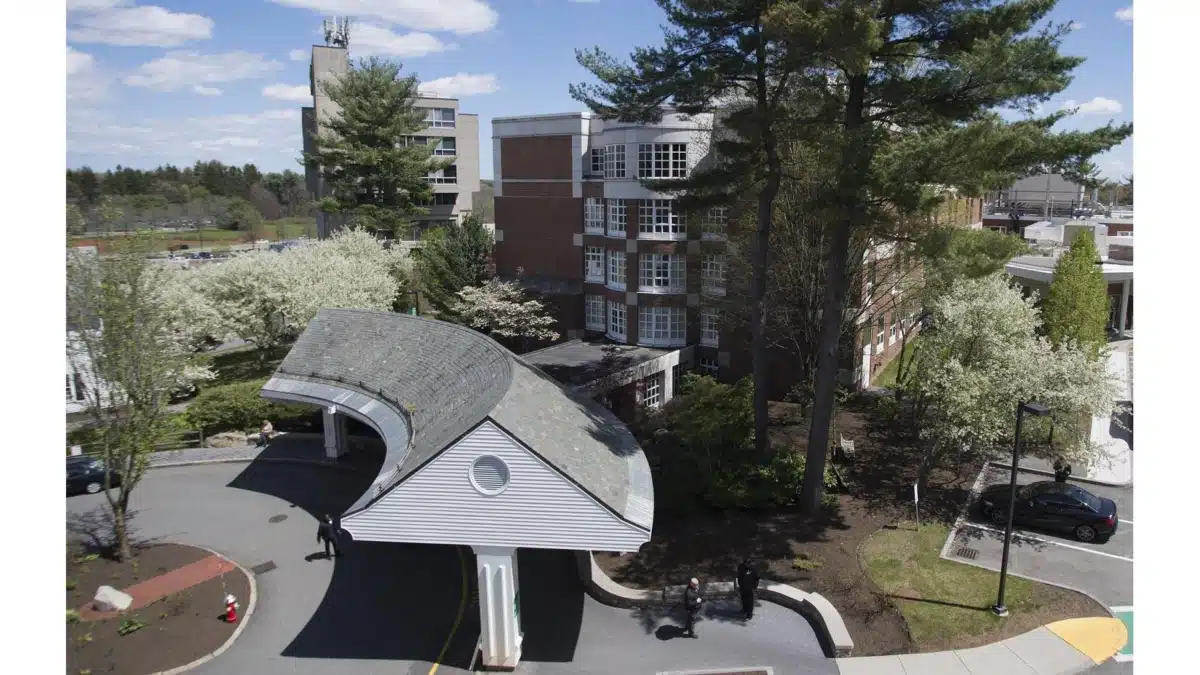
Emerson Hospital, situated in Concord, MA, provides a wide range of substance use treatment services designed for both adults and young adults. The facility is adept at addressing co-occurring substance use disorders alongside significant mental health issues in adults, while also assisting children dealing with serious emotional disturbances. The treatment options available include intensive outpatient programs, standard outpatient services, and day treatment. Emerson Hospital utilizes various therapeutic methods, including 12-step facilitation, cognitive behavioral therapy, and motivational interviewing, to deliver personalized care to adult men and women, as well as individuals facing co-occurring disorders. The hospital emphasizes a gender-specific approach, fostering a supportive atmosphere that caters effectively to the unique needs of both male and female clients.
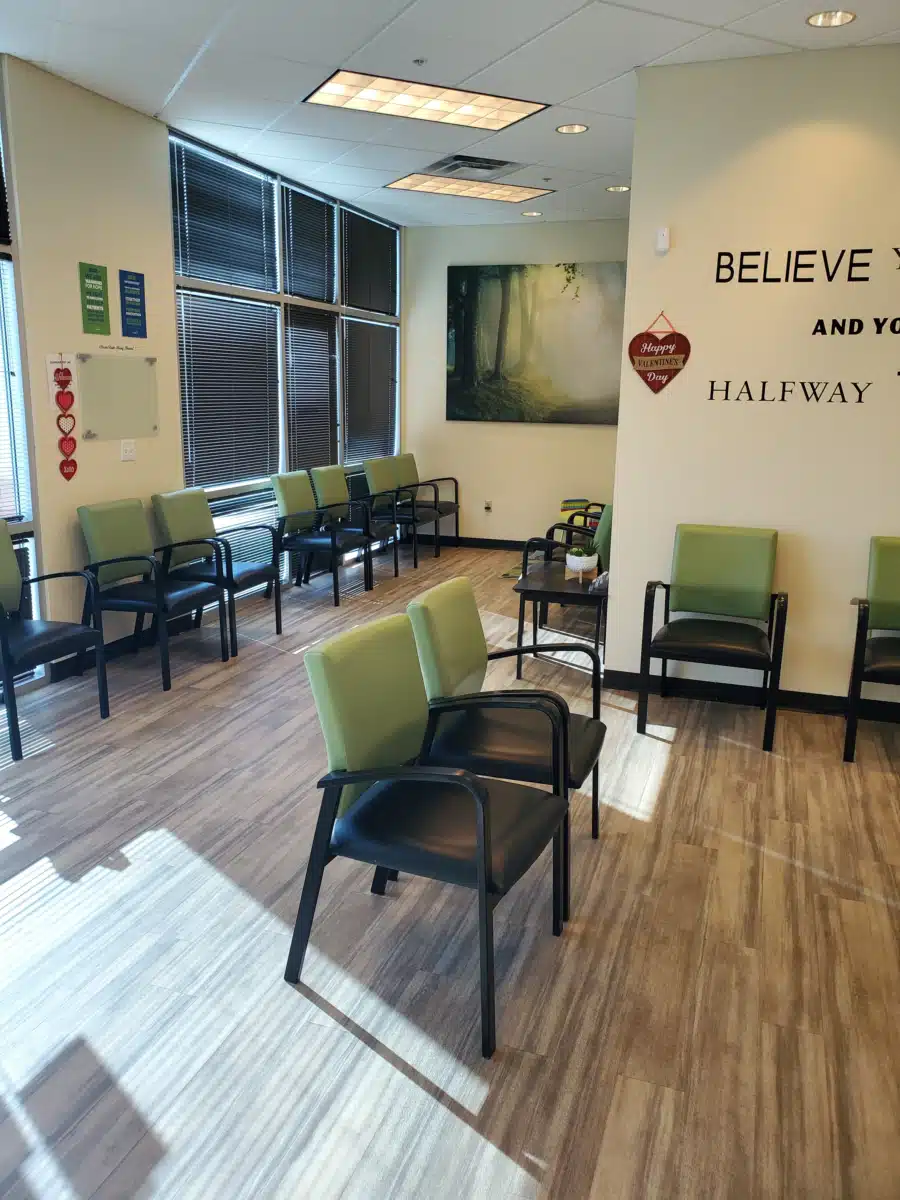
CleanSlate Centers, located in West Springfield, MA, provides outpatient treatment for those dealing with substance use disorders, emphasizing individualized care. Their program offers options such as outpatient methadone, buprenorphine, or naltrexone treatment tailored for both adults and young adults, regardless of gender. The center incorporates motivational interviewing, relapse prevention strategies, and counseling specifically focused on substance use disorders, adjusting its methods to meet the unique needs of each client. CleanSlate Centers demonstrates a commitment to quality care and personal support, making it a noteworthy option for individuals seeking assistance on their recovery journey in a compassionate setting.

Situated in Taunton, Massachusetts, the "Recovery From Addictions Program" presents a wide array of services for individuals aiming to address substance use disorders. This facility offers various options, including long-term residential programs, residential detoxification, and round-the-clock residential treatment specifically designed for adult men and women, as well as young adults. The staff at this center is well-equipped to handle co-occurring substance use disorders in adults, along with significant mental health issues, while also addressing serious emotional disturbances in children. Emphasizing techniques such as 12-step facilitation, anger management, and brief intervention, the program is particularly attentive to the needs of clients who have experienced trauma. The center is committed to providing quality care and support to facilitate individuals as they navigate their path to recovery.
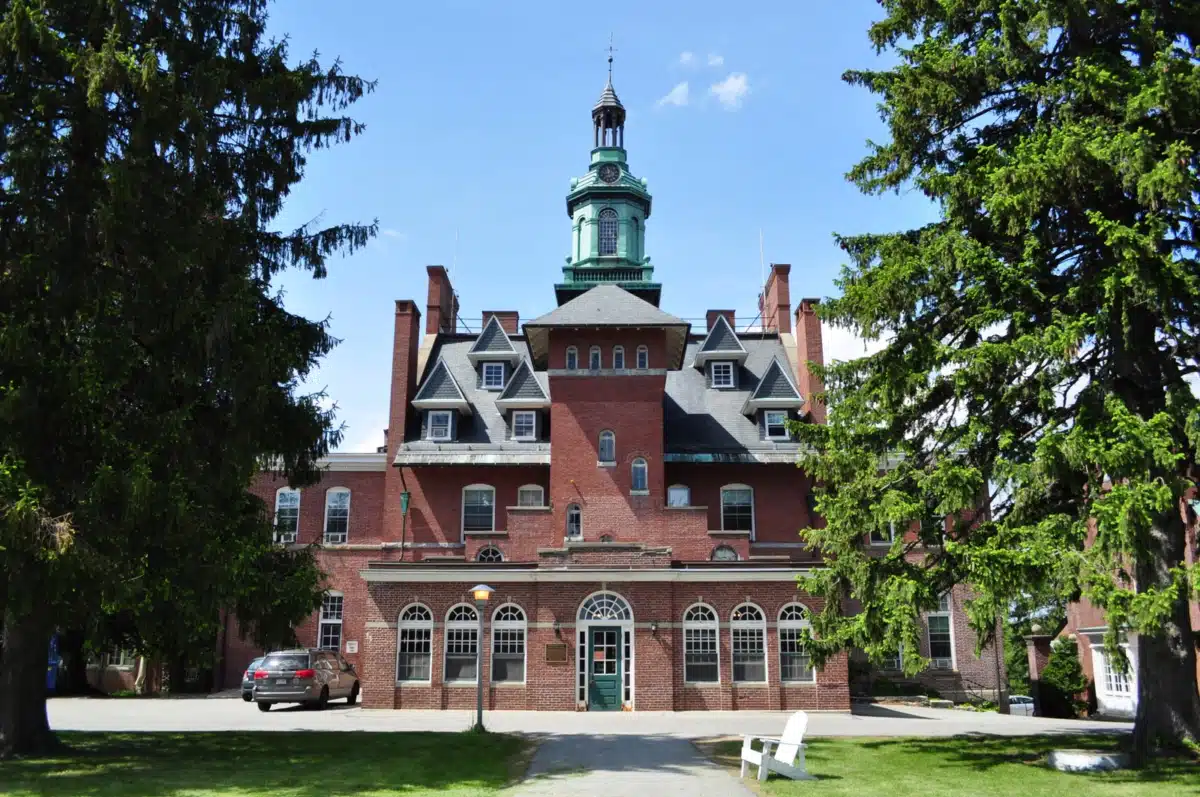
Middlesex Human Service Agency Inc., located in Tewksbury, MA, provides a range of substance use treatment options designed to meet various needs. Their services include hospital inpatient care, as well as residential and short-term residential programs. The agency employs specialized treatment methods such as 12-step facilitation, anger management, and brief intervention strategies to address the unique challenges faced by individuals in recovery. Programs are specifically designed for adult men and women, accommodating both adults and young adults. By emphasizing gender-specific care, the facility ensures that each patient receives personalized treatment plans tailored to their individual circumstances. Those seeking assistance can anticipate a supportive atmosphere that fosters recovery and promotes high-quality care.
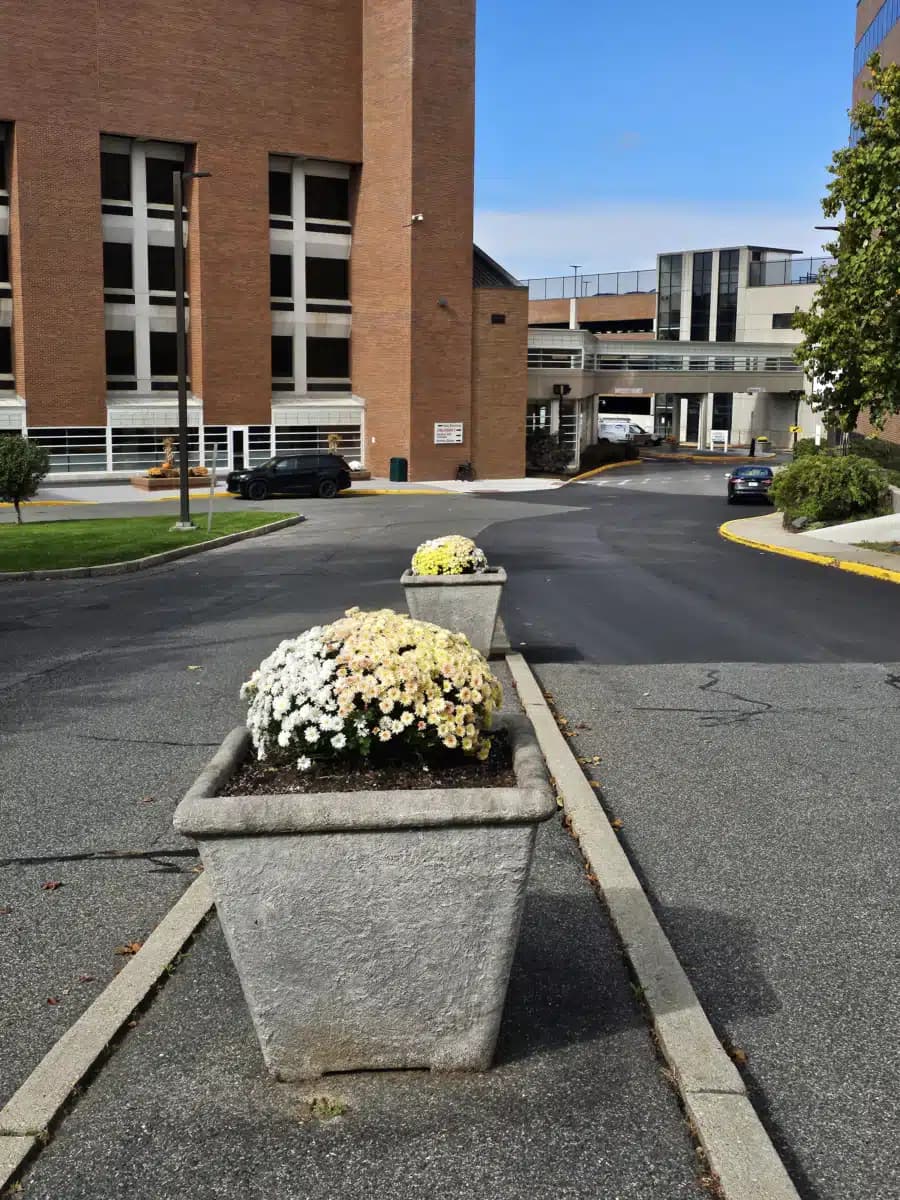
Berkshire Medical Center, situated in Pittsfield, MA, provides a range of addiction treatment services aimed at both adults and young adults. The facility focuses on detoxification and substance use treatment, offering hospital inpatient care with round-the-clock support. The center employs methods such as 12-step facilitation and motivational interviewing, catering specifically to individuals who may also have co-occurring mental health disorders. With programs designed for adult men, adult women, and young adults, Berkshire Medical Center emphasizes personalized care to meet the unique needs of each individual in their recovery journey. This commitment to quality treatment establishes the facility as a reliable option for those seeking compassionate support in addressing addiction.
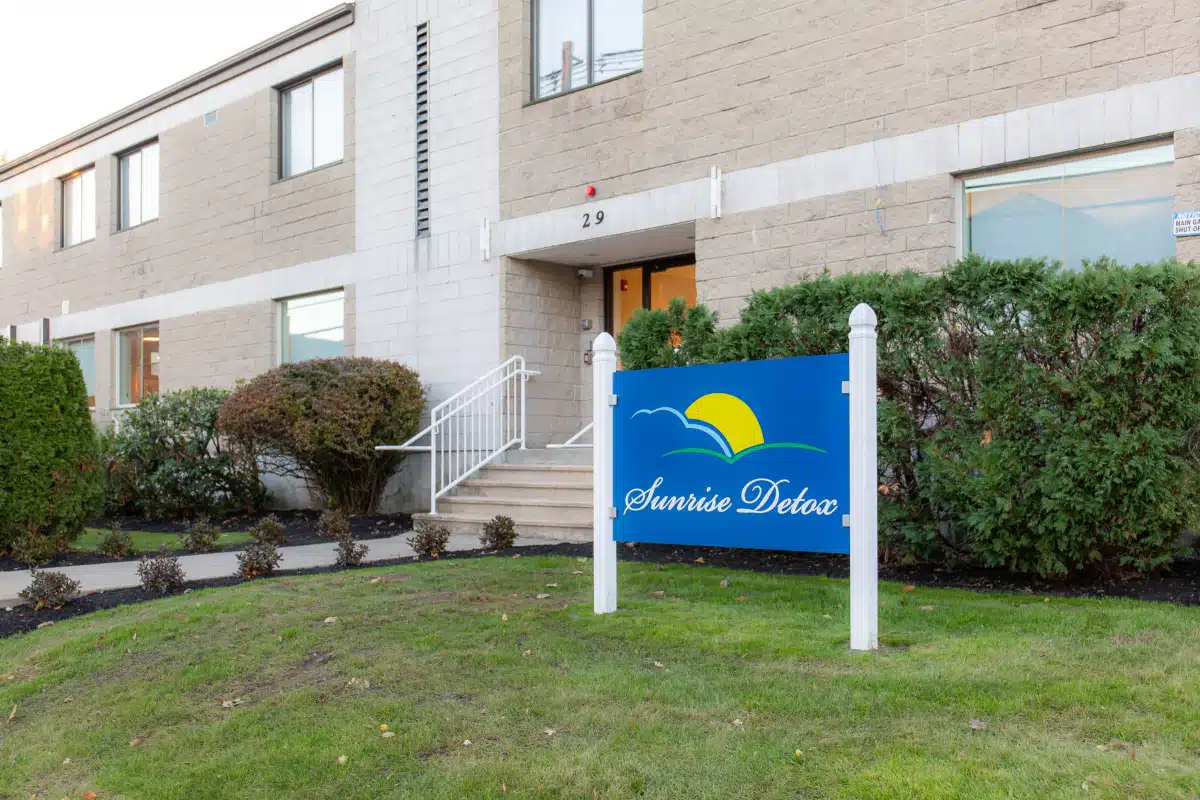
Located in Millbury, MA, Sunrise Detox Millbury LLC provides residential detox services and around-the-clock substance use treatment for both adults and young adults. The facility focuses on addressing co-occurring substance use disorders alongside significant mental health conditions or emotional challenges, particularly in children. Emphasizing personalized care, the treatment program integrates several methodologies, including 12-step facilitation, anger management, and brief intervention strategies. Catering to both male and female clients, Sunrise Detox Millbury LLC is dedicated to delivering a customized treatment experience designed to meet the unique needs of each person. Individuals looking for a thorough and individualized approach to addiction recovery can expect quality care and support at this center.
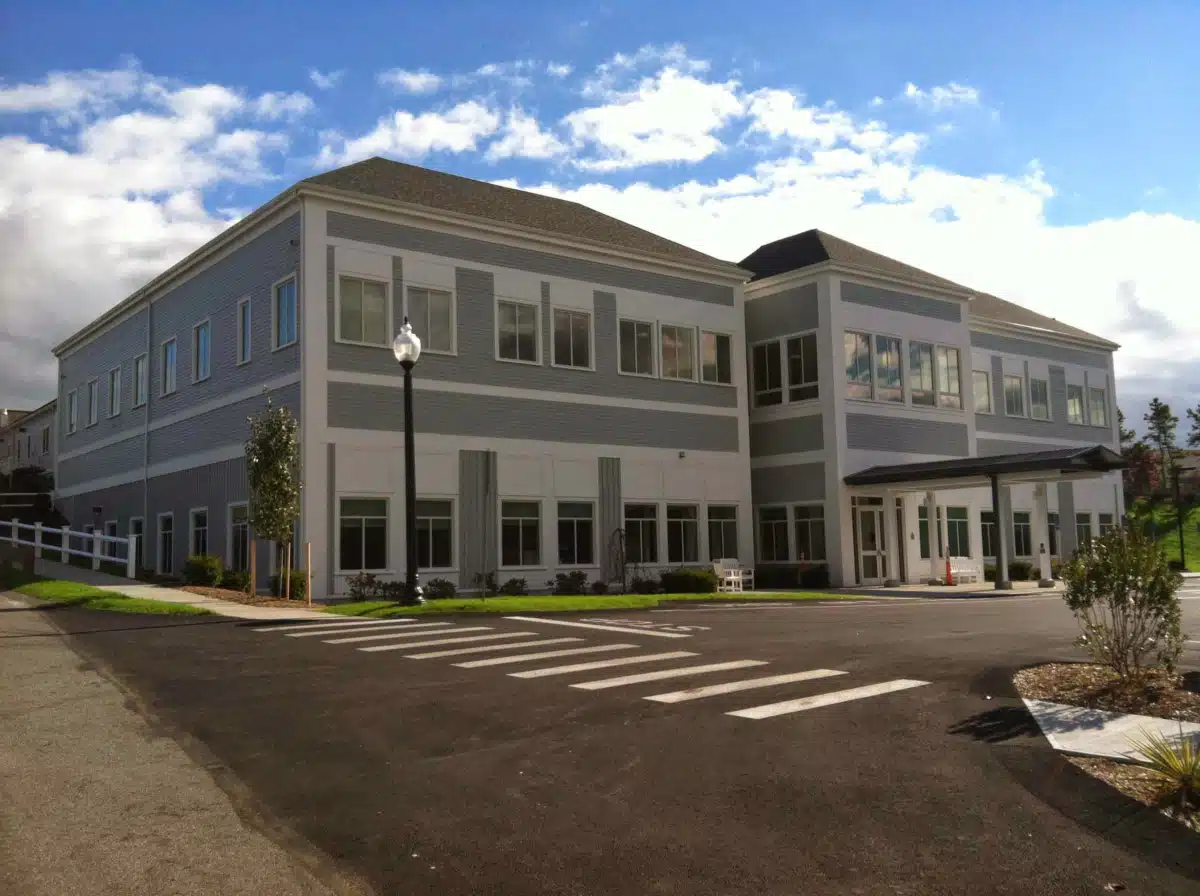
Situated in Mashpee, Massachusetts, the CHC of Cape Cod Addiction Program specializes in offering extensive treatment for adults dealing with substance use challenges, as well as those experiencing co-occurring mental health conditions. The facility provides outpatient services, which include both methadone and buprenorphine treatment, along with standard outpatient care options. The program employs various therapeutic methods, such as anger management and motivational interviewing, to address the specific needs of its clients, including active duty military personnel, adult men, and women. Designed to assist adults and seniors across all gender identities, this program focuses on delivering effective care that supports individuals as they navigate their recovery pathways.
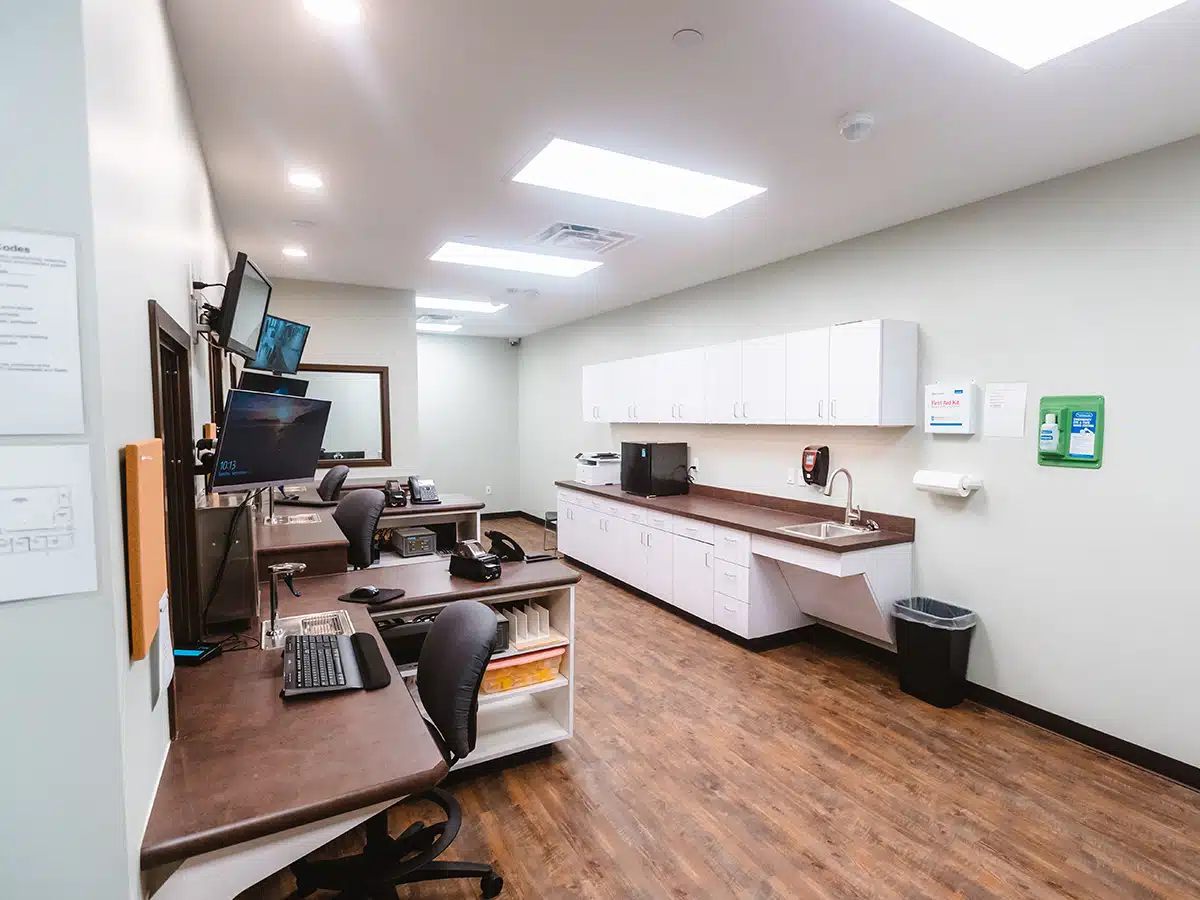
Fall River Comprehensive Treatment Center, located in Fall River, MA, specializes in providing comprehensive outpatient treatment for individuals dealing with substance use disorders. The facility offers tailored programs that address the needs of adult men, adult women, and clients who also experience mental health issues. Their treatment methods include techniques such as anger management, cognitive behavioral therapy, and brief interventions, accommodating both adults and young adults of any gender. With a commitment to delivering quality care, the center provides outpatient treatment options including methadone, buprenorphine, and naltrexone, as well as regular outpatient services designed to support individuals in their journey towards recovery.
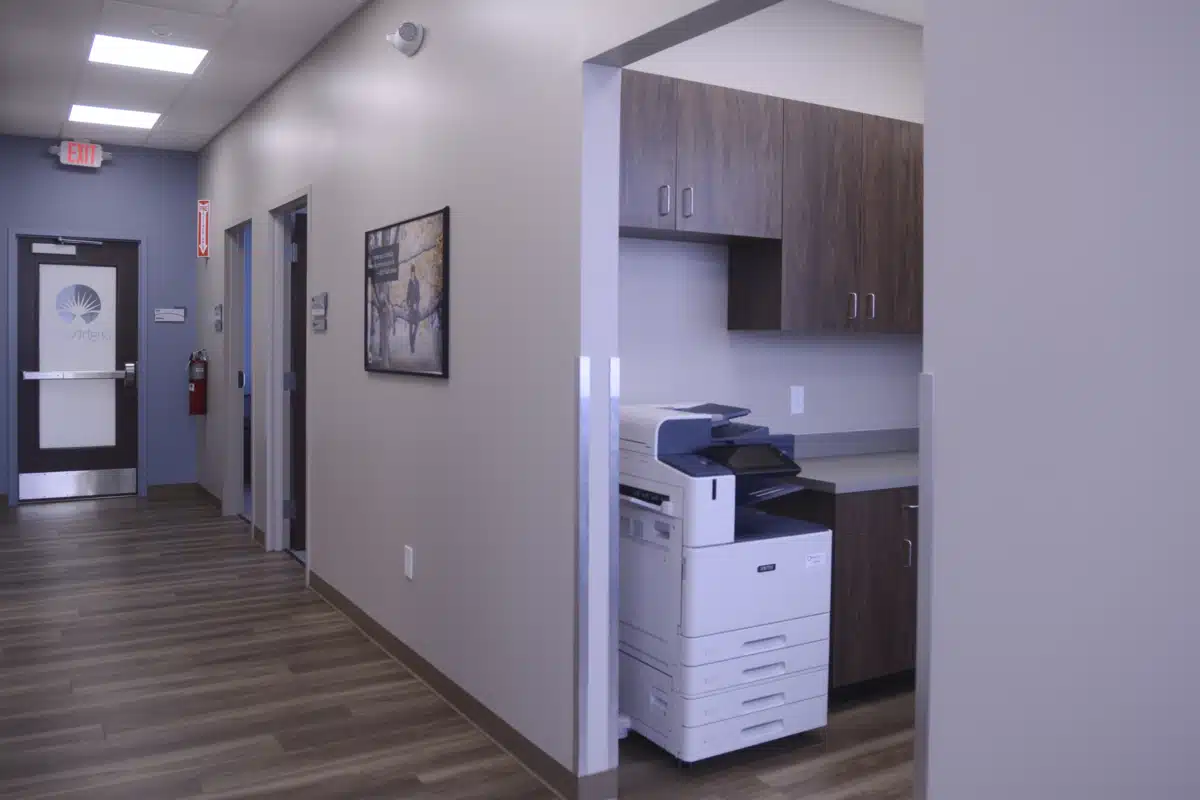
BrightView Health, located in Plymouth, MA, provides a range of addiction treatment services designed for both adults and young adults. The center offers detoxification as well as substance use treatment through various programs, including intensive outpatient, outpatient, and day treatment options. Adopting evidence-based methodologies such as cognitive behavioral therapy and the community reinforcement approach with vouchers, BrightView Health serves diverse populations, including adult men, adult women, pregnant and postpartum women, as well as individuals of all gender identities. The center emphasizes the importance of quality care and tailors treatment plans to meet the unique needs of each individual, aiming to foster a compassionate rehabilitation environment for those in the Plymouth community and beyond.
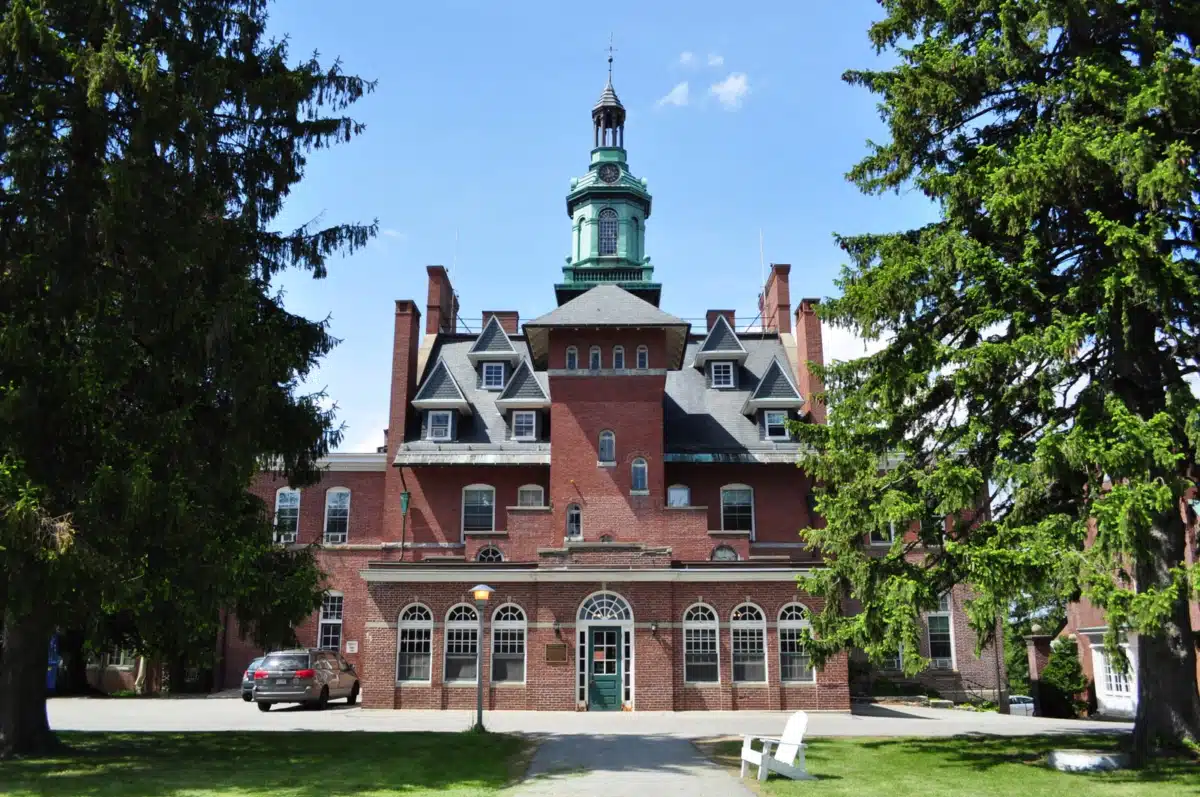
Situated in Tewksbury, Massachusetts, Conexiones provides a range of substance use treatment services designed to meet varying needs. They offer several formats of care, including hospital inpatient services, residential programs, and short-term residential options. By utilizing evidence-based methods like 12-step facilitation, anger management, and brief interventions, the facility focuses on delivering tailored support for each individual. Conexiones serves a wide array of populations, featuring specialized programs for active duty military members, as well as distinct services for adult men and women. The center creates a supportive atmosphere for both adults and young adults of all genders, emphasizing quality care and customized treatment plans to enhance the recovery process for those seeking assistance with addiction.
CleanSlate Centers, located in Lawrence, MA, provides outpatient treatment for individuals dealing with substance use issues, particularly those seeking methadone, buprenorphine, or naltrexone therapies. The programs offered at this facility incorporate motivational interviewing, relapse prevention strategies, and counseling specifically designed for substance use disorders. By prioritizing personalized care, CleanSlate Centers serves adults and young adults across all genders, ensuring that each individual receives support tailored to their unique needs. This facility creates an encouraging atmosphere for those pursuing recovery from addiction, highlighting their commitment to quality care and a customized approach to treatment. For anyone in need of comprehensive substance use support, CleanSlate Centers stands ready to assist with personalized, effective solutions.
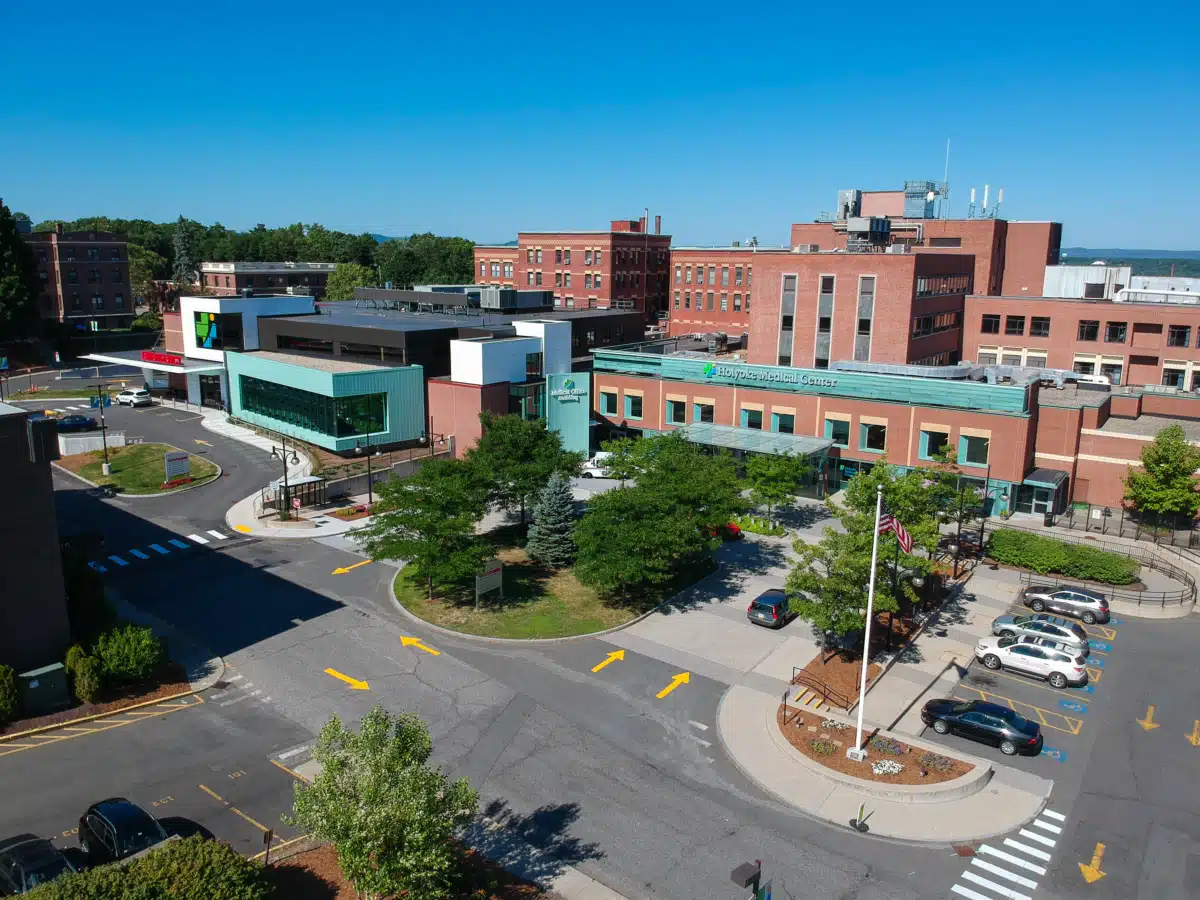
Holyoke Medical Center Inc, located in Holyoke, MA, provides a variety of specialized rehabilitation services tailored to meet the needs of its patients. The center offers intensive outpatient treatment, outpatient services, and a day treatment program that includes partial hospitalization, allowing access to care at different levels of intensity. Emphasizing therapeutic strategies such as 12-step facilitation, anger management, and brief intervention, the facility is well-equipped to address various challenges faced by individuals. In addition to its general programs, Holyoke Medical Center Inc has specialized offerings for active duty military personnel, as well as programs designed for adult men and women. The center addresses both substance use disorders and co-occurring issues, including serious mental health conditions in adults and serious emotional disturbances in children. Welcoming individuals of all genders, the facility is dedicated to providing comprehensive care and support for those seeking rehabilitation services.

Situated in Ashby, Massachusetts, Spring Hill Recovery Center provides a range of substance use treatment options designed for both adults and young adults. The facility fosters a supportive environment, offering residential and short-term residential programs specifically created for individuals facing both substance use challenges and serious mental health disorders. The center features targeted programs for active duty military members, as well as distinct services for adult men and women. Emphasizing methods such as 12-step facilitation, anger management, and brief interventions, Spring Hill Recovery Center is committed to delivering personalized care for both male and female clients, with the intent of promoting effective and sustained recovery.
About Depression Treatment
Depression and substance abuse are deeply interconnected, forming one of the most common dual diagnosis combinations in addiction treatment. The National Institute on Drug Abuse reports that individuals with mood disorders are roughly twice as likely to develop a substance use disorder compared to the general population. In Massachusetts, where mental health resources are a priority, specialized programs offer integrated treatment that addresses both depression and addiction simultaneously for the best outcomes.
The Depression and Substance Abuse Connection
Depression and addiction frequently fuel each other in a destructive cycle. People experiencing depression may turn to alcohol, opioids, or other substances to temporarily numb emotional pain, loneliness, or hopelessness. While substances may provide short-term relief, they ultimately worsen depression by disrupting brain chemistry, impairing sleep, damaging relationships, and creating additional life stressors.
The relationship between depression and substance use can manifest in several ways:
- Self-medication: Using substances to escape depressive symptoms like sadness, fatigue, and feelings of worthlessness
- Substance-induced depression: Chronic alcohol or drug use can cause depressive symptoms by altering neurotransmitter systems (serotonin, dopamine, norepinephrine)
- Shared neurobiology: Both conditions involve disruptions in the brain's reward and mood-regulation pathways
- Genetic vulnerability: Family history of depression increases risk for both mood disorders and substance use disorders
Types of Depression Treated in Addiction Recovery
Treatment centers in Massachusetts address several types of depressive disorders in the context of addiction recovery:
- Major Depressive Disorder (MDD): Persistent feelings of sadness, hopelessness, and loss of interest lasting two weeks or more, significantly impairing daily functioning
- Persistent Depressive Disorder (Dysthymia): A chronic, lower-grade form of depression lasting two years or more that may not be as severe but erodes quality of life over time
- Seasonal Affective Disorder (SAD): Particularly relevant in Massachusetts, where long winters can trigger seasonal depression that may increase substance use
- Postpartum Depression: Depression following childbirth that can complicate substance use recovery for new mothers
- Substance-Induced Depressive Disorder: Depression directly caused by the effects of drugs or alcohol on brain chemistry, which may improve with sustained sobriety but often requires treatment
Evidence-Based Treatments for Depression and Addiction
Effective treatment for co-occurring depression and substance use disorder requires an integrated approach that addresses both conditions together:
Psychotherapy
- Cognitive Behavioral Therapy (CBT): Helps identify negative thought patterns that contribute to both depression and substance use, developing healthier coping strategies
- Dialectical Behavior Therapy (DBT): Teaches emotional regulation, distress tolerance, and mindfulness skills — particularly effective for individuals with intense emotional pain
- Behavioral Activation: Gradually increases engagement in positive activities to counter depression's tendency toward withdrawal and isolation
- Interpersonal Therapy (IPT): Focuses on improving relationships and social functioning, which are often impaired by both depression and addiction
Medication Management
Antidepressant medications can be a critical component of dual diagnosis treatment. Psychiatrists experienced in addiction medicine carefully select medications that effectively treat depression without increasing addiction risk:
- SSRIs (Selective Serotonin Reuptake Inhibitors): First-line treatment for depression with low abuse potential — includes sertraline (Zoloft), fluoxetine (Prozac), escitalopram (Lexapro)
- SNRIs (Serotonin-Norepinephrine Reuptake Inhibitors): Effective for depression with anxiety features — includes venlafaxine (Effexor), duloxetine (Cymbalta)
- Bupropion (Wellbutrin): An antidepressant that also helps with smoking cessation and has low risk of weight gain or sexual side effects
- Mirtazapine (Remeron): May help with insomnia and appetite loss associated with early recovery
It is important to note that benzodiazepines, sometimes prescribed for anxiety associated with depression, carry significant addiction risk and are generally avoided in dual diagnosis treatment. Non-addictive alternatives are preferred.
Holistic and Complementary Approaches
Many Massachusetts treatment programs incorporate holistic therapies that benefit both depression and addiction recovery: mindfulness meditation, exercise therapy, yoga, art and music therapy, and nutritional counseling. Regular physical exercise has been shown to have antidepressant effects comparable to medication for mild to moderate depression.
Finding Depression Treatment in Massachusetts
Massachusetts offers a robust network of treatment programs for co-occurring depression and substance use disorders. When seeking treatment, look for:
- Programs with on-staff psychiatrists who specialize in addiction psychiatry
- Integrated treatment models that address both conditions in a coordinated treatment plan
- Multiple levels of care — from residential to intensive outpatient — to match the severity of your symptoms
- Evidence-based therapies (CBT, DBT) combined with medication management
- Aftercare planning that includes ongoing psychiatric care and therapy
Frequently Asked Questions
How do I know if I have depression or if it is caused by substance use?
It can be difficult to distinguish between independent depression and substance-induced depression. A thorough clinical evaluation is needed, and it may take several weeks of sobriety for an accurate diagnosis. Regardless of the cause, both conditions require treatment — depressive symptoms that persist after detox clearly indicate an underlying mood disorder.
Can antidepressants be taken during addiction treatment?
Yes. Non-addictive antidepressants like SSRIs and SNRIs are safe and often essential during addiction recovery. Treating depression with appropriate medication reduces the risk of relapse by addressing the emotional pain that may drive substance use.
Will my depression go away if I stop using drugs or alcohol?
Substance-induced depressive symptoms often improve with sustained sobriety, but this is not always the case. Many individuals have an underlying depressive disorder that predates their substance use and will persist without treatment. Professional evaluation and ongoing monitoring are essential.
Does insurance cover treatment for depression and addiction?
Yes. Massachusetts requires insurance parity for mental health and substance use disorders. MassHealth and most commercial plans cover integrated treatment for co-occurring depression and addiction, including therapy, medication, and all levels of care.
What if I am in crisis right now?
If you are experiencing suicidal thoughts, call or text 988 (Suicide and Crisis Lifeline) for immediate help. For substance use emergencies, call 911. The Massachusetts Substance Use Helpline (1-800-327-5050) also provides 24/7 support and referrals.
For more information about depression and co-occurring substance use:
- National Institute of Mental Health — Depression
- SAMHSA National Helpline — 1-800-662-4357
- NIDA — Comorbidity: Substance Use and Mental Disorders
You do not have to face depression and addiction alone. Browse our directory of Massachusetts treatment centers to find programs offering integrated dual diagnosis care, or call the Massachusetts Substance Use Helpline at 1-800-327-5050 for confidential assistance.