
Bipolar Disorder Rehab Centers
Bipolar disorder treatment provides specialized care for individuals with mood disorders alongside addiction, focusing on mood stabilization and recovery.
Found 331 rehab centers specializing in bipolar disorder across Massachusetts.
Last reviewed: March 27, 2026
Want us to find the perfect facility for you?
Call now - it's completely free!
Showing 20 of 331 bipolar disorder rehab centers
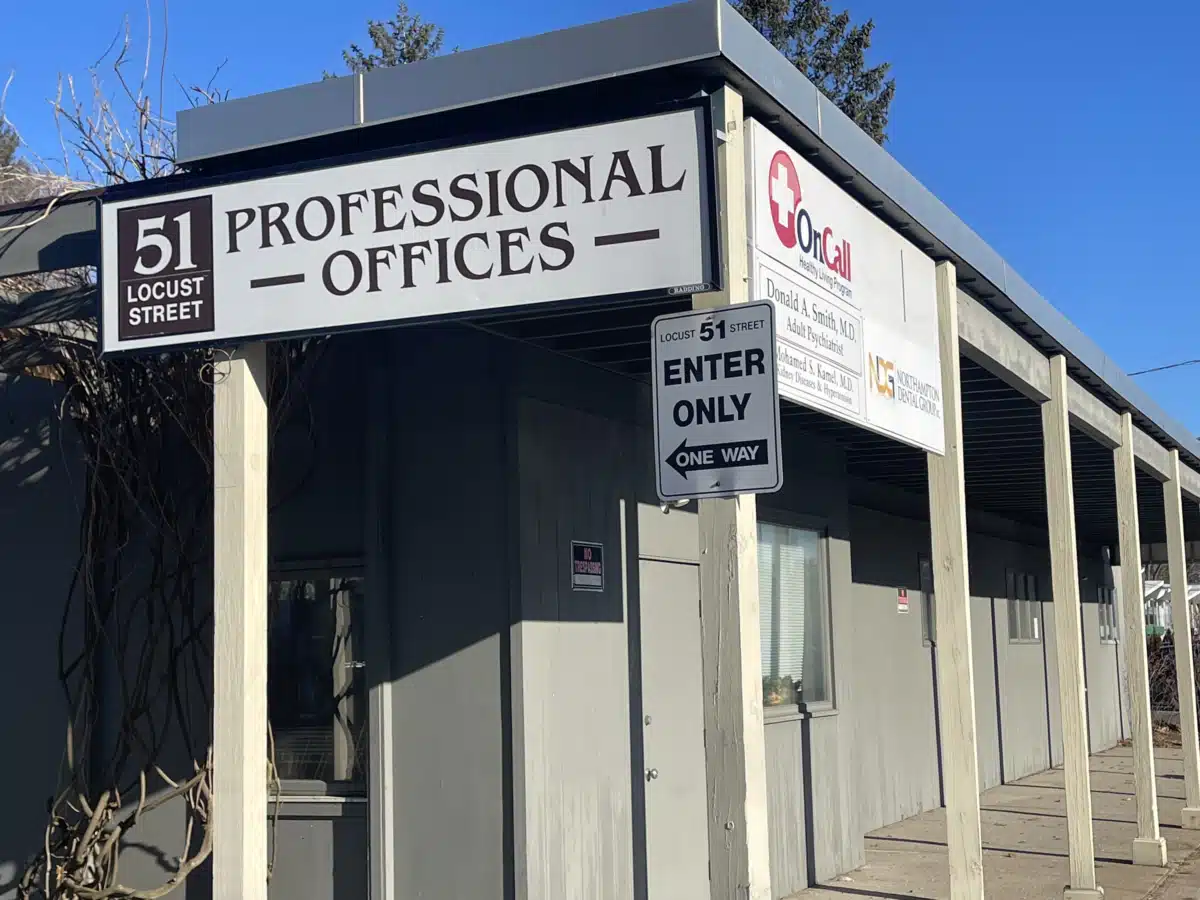
The OnCall Healthy Living Program, situated in Northampton, MA, provides a range of outpatient services including detoxification and treatment for substance use disorders, along with methadone, buprenorphine, or naltrexone options. This facility has a particular focus on brief interventions, cognitive behavioral therapy, and the use of contingency management techniques coupled with motivational incentives. Serving adults and young adults of all genders, the program pays special attention to the needs of pregnant and postpartum women. The center emphasizes personalized care within a supportive environment, aiming to assist individuals as they navigate their recovery process. If you or someone you know is in need of addiction treatment, the OnCall Healthy Living Program offers a commitment to supporting the pursuit of sustained sobriety.

Situated in Jamaica Plain, Massachusetts, Victory Programs Inc provides an extensive range of services for individuals facing substance use challenges, particularly through its long-term residential program. The facility features various housing options including transitional housing, a halfway house, and sober living arrangements for both men and women, with specific support for those who have encountered domestic violence. The center emphasizes a diverse approach to treatment that includes 12-step facilitation, anger management, and cognitive behavioral therapy, accommodating adults and young adults of all genders. Victory Programs Inc is notable for its tailored programs designed to meet the distinct needs of its clients, aiming to deliver effective care and encouragement during their recovery process.
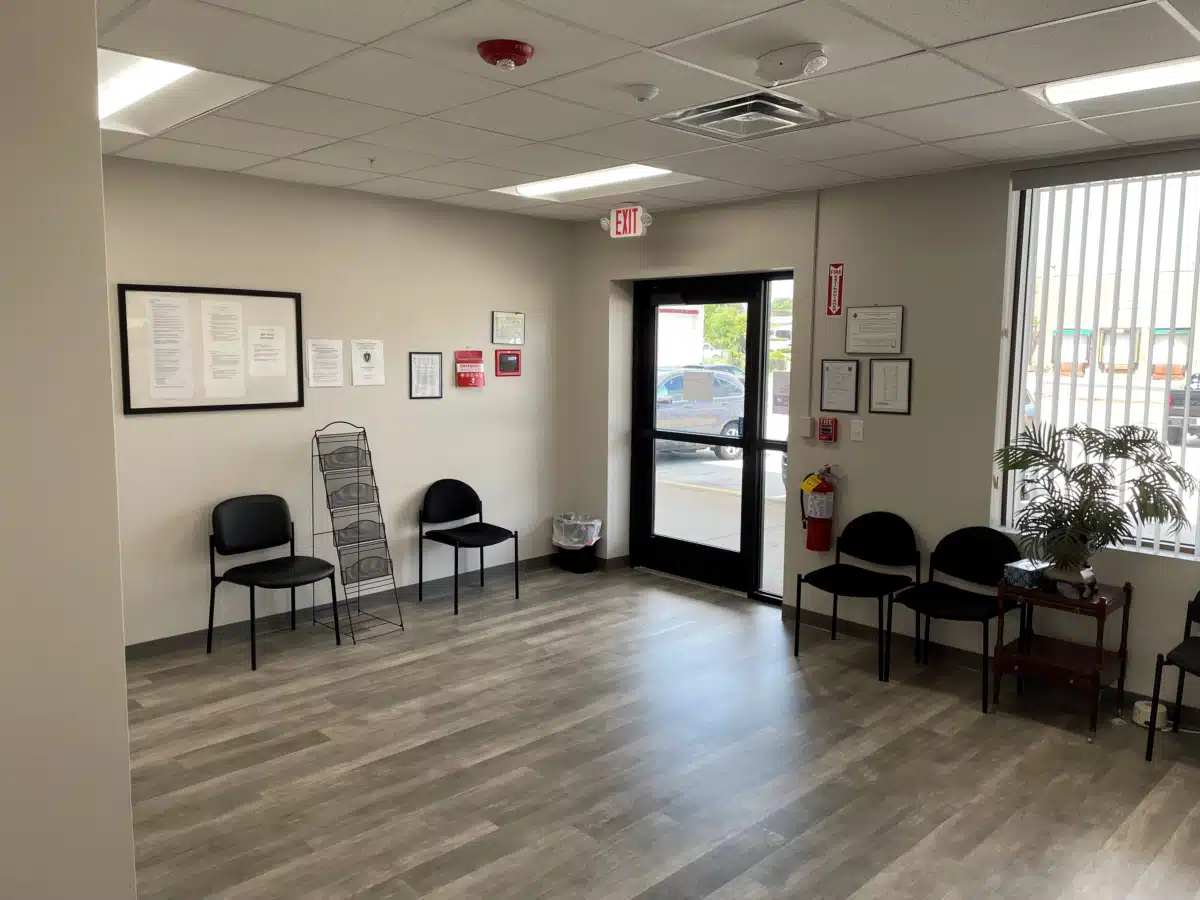
Old Colony Comprehensive Counseling, located in Brockton, MA, provides outpatient services for substance use treatment, as well as specialized support for those facing both substance use challenges and serious mental health issues or emotional disturbances. The facility employs evidence-based methodologies, including anger management, cognitive behavioral therapy, and motivational interviewing, to create personalized treatment plans that cater to the unique needs of each individual. Serving a diverse population of adults and seniors across all genders, Old Colony Comprehensive Counseling is recognized for its extensive and empathetic care approach. The center prioritizes quality and individualized attention, making it a reliable choice for individuals in the Brockton area who are in search of effective rehabilitation services.
Victory Programs Inc, situated in Boston, MA, provides a long-term residential treatment option for adult males struggling with substance use in a secure and nurturing setting. This facility places an emphasis on transitional housing and sober living for those who have encountered intimate partner violence, domestic violence, or sexual abuse. The program utilizes various therapeutic approaches, including 12-step facilitation, anger management, and cognitive behavioral therapy, to effectively meet the distinct needs of each individual. Victory Programs Inc serves a diverse clientele, including adults, seniors, and young adults, while focusing on personalized care specifically designed for male participants. With a strong dedication to delivering specialized services, this facility offers a thorough rehabilitation program aimed at fostering recovery and healing.
Victory Programs Inc, located in Dorchester, MA, focuses on delivering specialized treatment for substance use and transitional housing specifically for women ages 18 and older. The organization provides long-term residential support that emphasizes a variety of therapeutic techniques, including 12-step facilitation, anger management, and cognitive behavioral therapy. The facility addresses the needs of clients who have faced challenges such as intimate partner violence, domestic violence, and sexual abuse. Through its tailored programs, the facility serves a diverse age range of women, from young adults to seniors. Known for its dedication to providing quality care and personalized treatment strategies, Victory Programs Inc serves as a vital resource for women on their journey to recovery and emotional well-being.
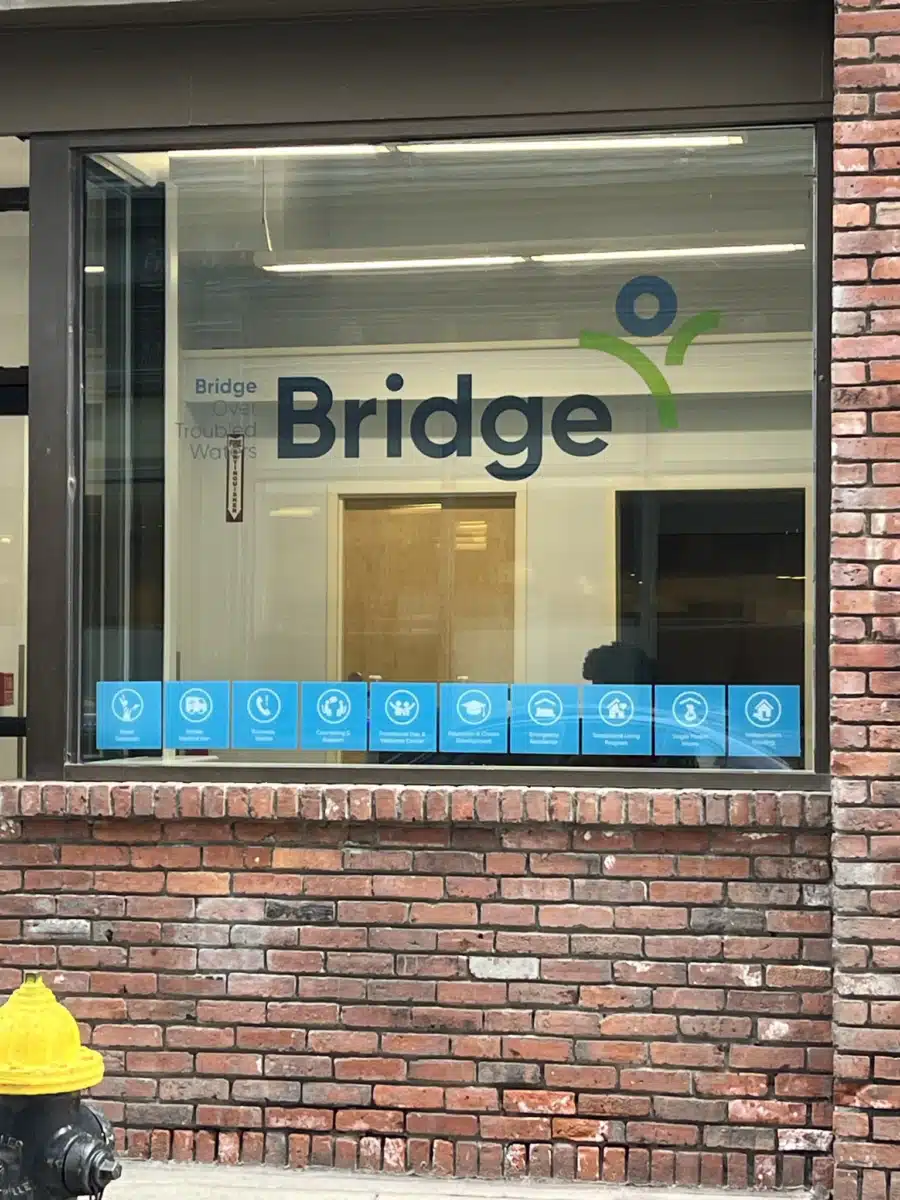
Bridge Over Troubled Waters Inc, situated in Boston, Massachusetts, provides outpatient therapy for both adults and children who are experiencing significant emotional challenges associated with substance use. The facility delivers consistent outpatient services, emphasizing methods such as 12-step facilitation, anger management, and brief intervention techniques. Specific programs are available to address the needs of clients who have both mental health and substance use disorders, as well as support for young adults. The organization offers services designed to meet the needs of a diverse clientele, including adults, seniors, and young adults across all genders, ensuring that each individual receives comprehensive and personalized treatment. This dedication to providing quality care positions the center as a viable option for individuals looking for effective rehabilitation solutions.
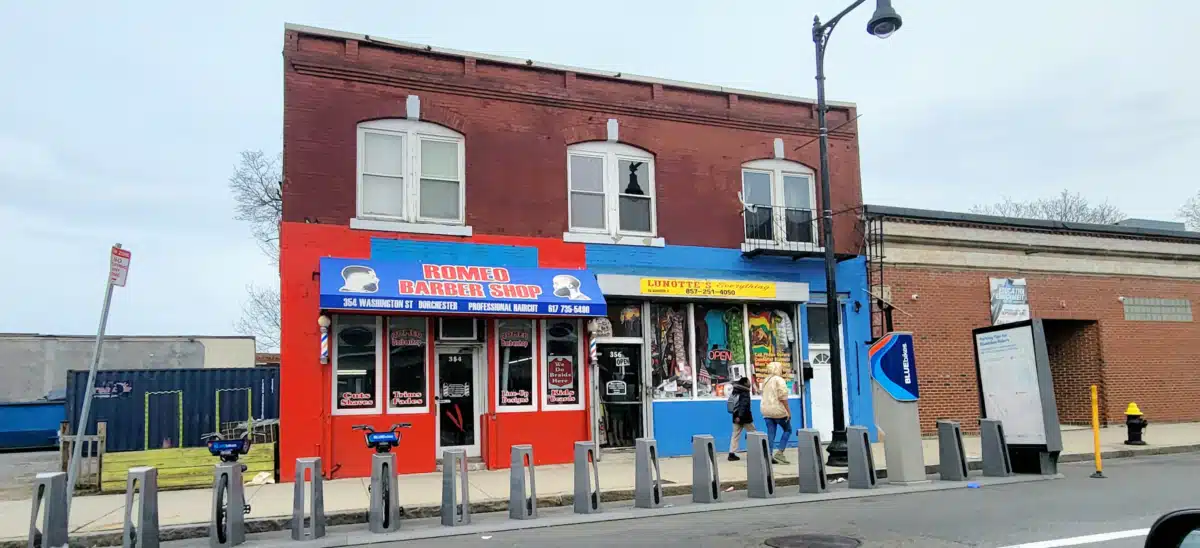
Out for Good Inc, situated in Dorchester Center, MA, provides outpatient treatment services for those grappling with substance use, catering to both adults and adolescents. The facility is equipped with a focus on various therapeutic methods, including anger management, brief intervention, and cognitive behavioral therapy. Out for Good Inc has developed specific programs aimed at adult men, adult women, and individuals impacted by intimate partner violence, creating a safe space conducive to healing. Their holistic approach ensures personalized care for both male and female clients, emphasizing the distinct needs of each individual. For anyone looking for addiction treatment that prioritizes specialized programs and evidence-based methodologies, this facility is committed to supporting individuals on their journey toward recovery.
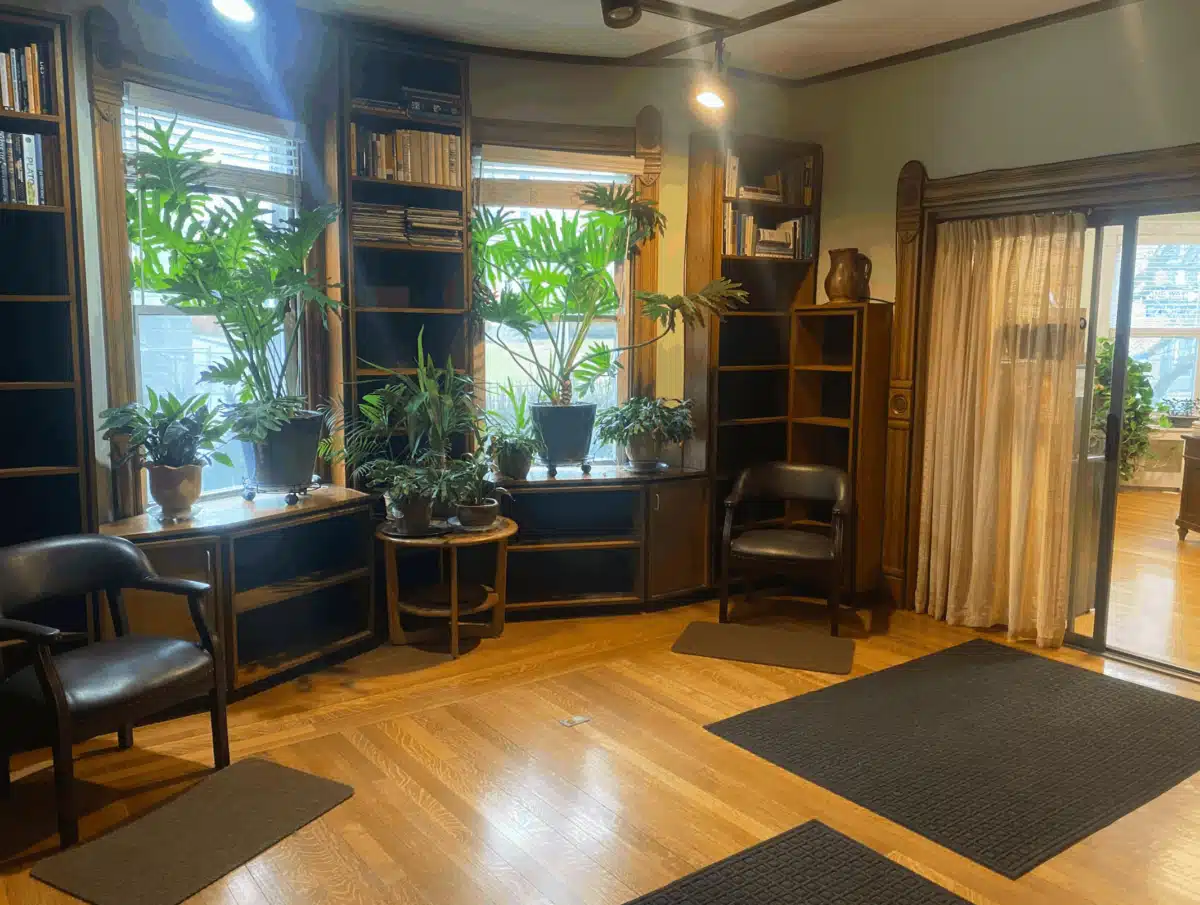
Middlesex Recovery PC, located in Stoughton, MA, provides specialized outpatient treatment programs aimed at addressing substance use concerns for both adults and young adults. The center employs a variety of evidence-based treatments, which include cognitive behavioral therapy, motivational interviewing, and counseling for substance use disorders. Prioritizing individualized care, Middlesex Recovery PC ensures that each client receives focused and personal attention tailored to their unique situation. Additionally, they offer outpatient options involving methadone, buprenorphine, and naltrexone to meet the varying needs of their clients. The facility is open to both men and women who are in search of effective and understanding support for their addiction recovery journeys. Middlesex Recovery PC is noteworthy for its dedication to delivering quality care and a comprehensive support system designed to assist individuals as they work toward recovery.
Situated in Springfield, MA, Clinical and Support Options Inc provides a wide range of outpatient services aimed at individuals who are looking for detoxification and treatment for substance use issues. The facility has a particular emphasis on addressing co-occurring disorders, which allows it to offer outpatient detox programs alongside treatments involving methadone and buprenorphine. The therapeutic approaches employed at this facility include methods such as anger management and cognitive behavioral therapy, catering to the diverse needs of clients. Programs are specifically designed for adult men and women, including those who have faced intimate partner violence. The center prioritizes the care of both adults and seniors, offering gender-specific treatment options to enhance the personal relevance of the services provided. With a commitment to delivering quality care and individualized support, Clinical and Support Options Inc works to facilitate the journey toward sustainable recovery for its clients.
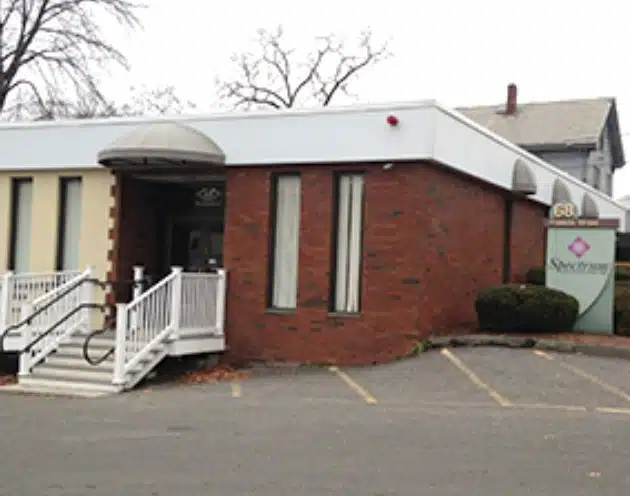
Spectrum Health Systems Inc, located in Worcester, MA, provides a wide range of substance use treatment options for both adults and children facing co-occurring mental health challenges. The facility offers outpatient care that includes methadone and buprenorphine treatments, as well as cognitive behavioral therapy. To meet the diverse needs of its clients, Spectrum Health has developed specialized programs specifically designed for active duty military personnel, adolescents, and adult men. The clinic employs various tailored approaches, such as anger management and brief interventions, to ensure that each individual receives the personalized care they require. Spectrum Health Systems Inc welcomes both male and female clients and is committed to offering effective, evidence-based treatment aimed at fostering recovery and promoting overall well-being.
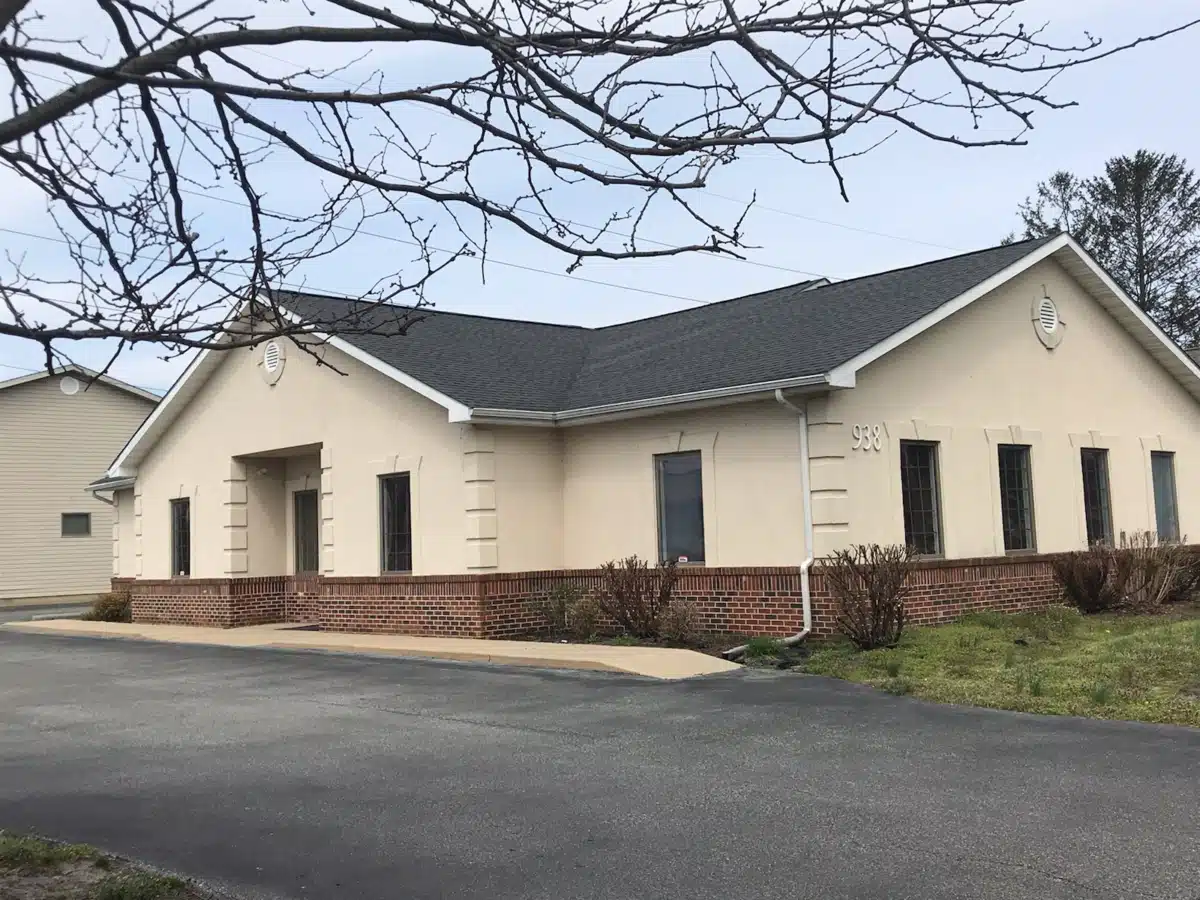
SaVida Health, located in Worcester, MA, specializes in outpatient treatment for substance use disorders, emphasizing high-quality care and effective treatment methodologies. The facility offers various services, including outpatient options featuring methadone, buprenorphine, or naltrexone therapies, along with standard outpatient treatment. They also provide specialized programs tailored for adult men and women, as well as those who have faced trauma. In addition to these services, SaVida Health includes offerings such as anger management, brief interventions, and cognitive behavioral therapy to support clients on their journey to recovery. This center is committed to serving adults and young adults of all genders, fostering a comprehensive and personalized approach to each individual's recovery process. For those in search of evidence-based treatment within a nurturing environment, SaVida Health focuses on helping clients attain sustained sobriety.
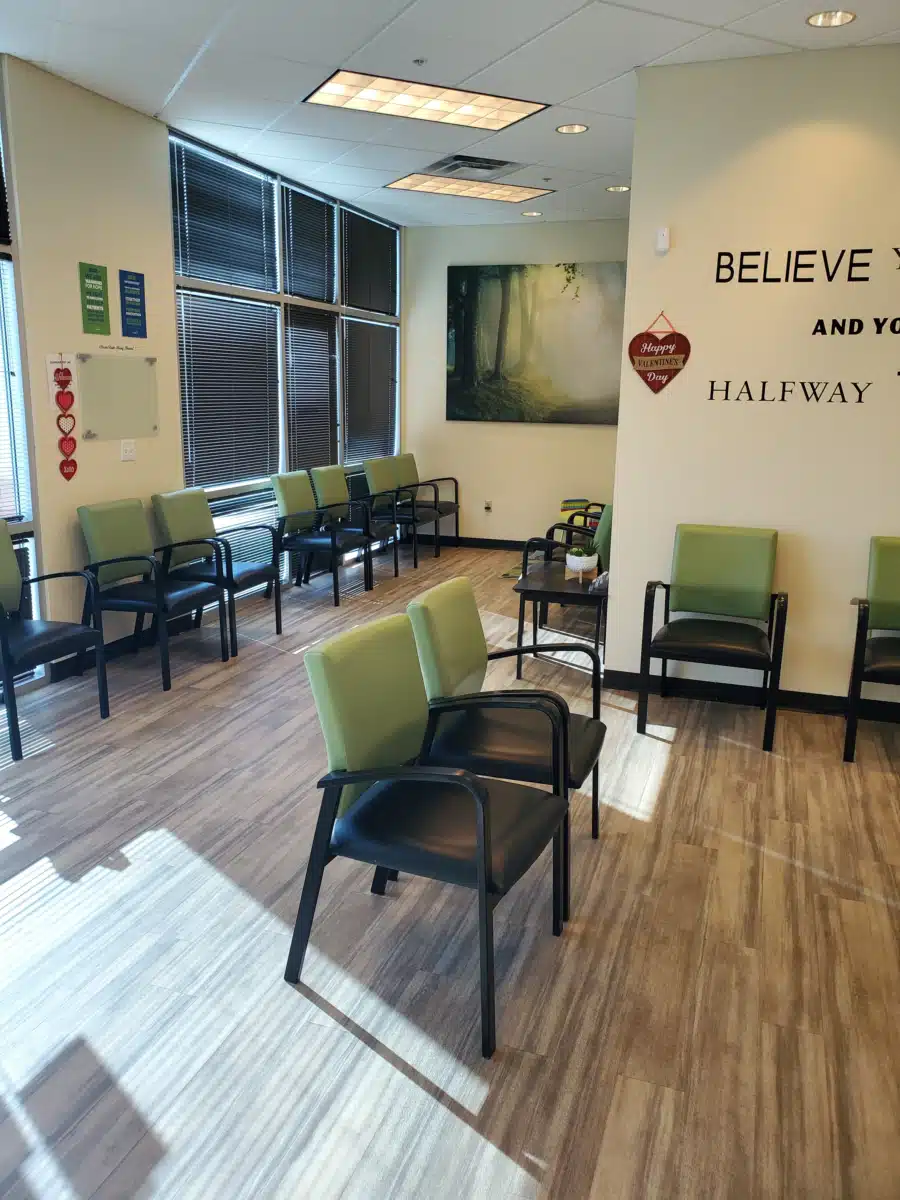
CleanSlate Centers, located in Leominster, MA, provides outpatient treatment for substance use disorders. The facility offers a range of services, including outpatient options involving methadone, buprenorphine, or naltrexone therapy. Emphasizing techniques such as motivational interviewing and relapse prevention, CleanSlate Centers develops personalized treatment programs aimed at both adults and young adults. The center accommodates clients of all genders, ensuring that each person receives care that meets their specific needs. With a focus on creating a supportive environment, the experienced staff at CleanSlate Centers is dedicated to delivering quality treatment to facilitate lasting recovery. If you're looking for specialized addiction treatment, CleanSlate Centers serves as a significant resource during your recovery process.
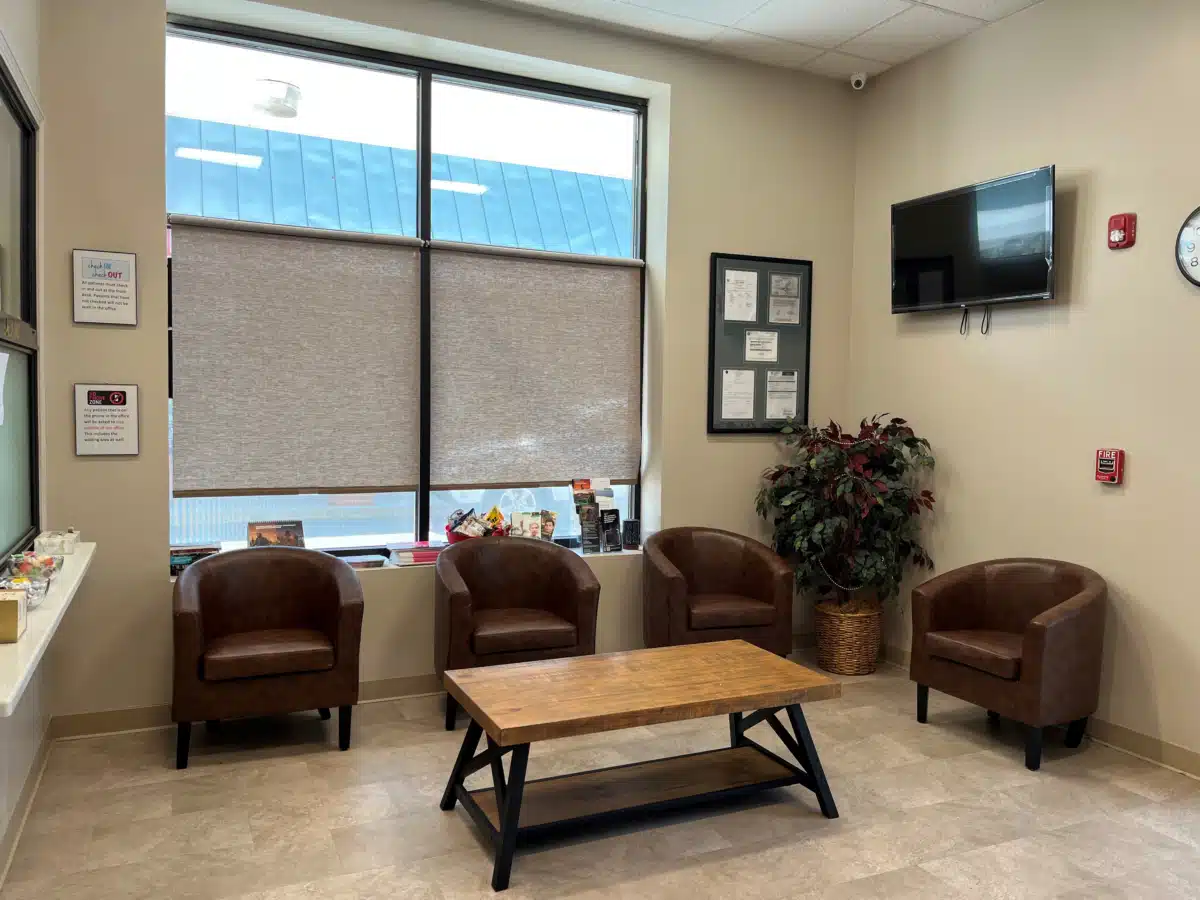
Elm Tree Clinic, situated in Malden, MA, provides targeted outpatient services for individuals dealing with substance use and co-occurring disorders, encompassing both adults and children. The clinic emphasizes relapse prevention and personalized care, offering a variety of services such as substance use counseling and telemedicine therapy. Elm Tree Clinic is distinctive for its customized treatment strategies, designed to meet the needs of adults and young adults across all genders. Clients can access regular outpatient services alongside methadone or buprenorphine treatment as part of a supportive framework aimed at fostering long-term recovery.
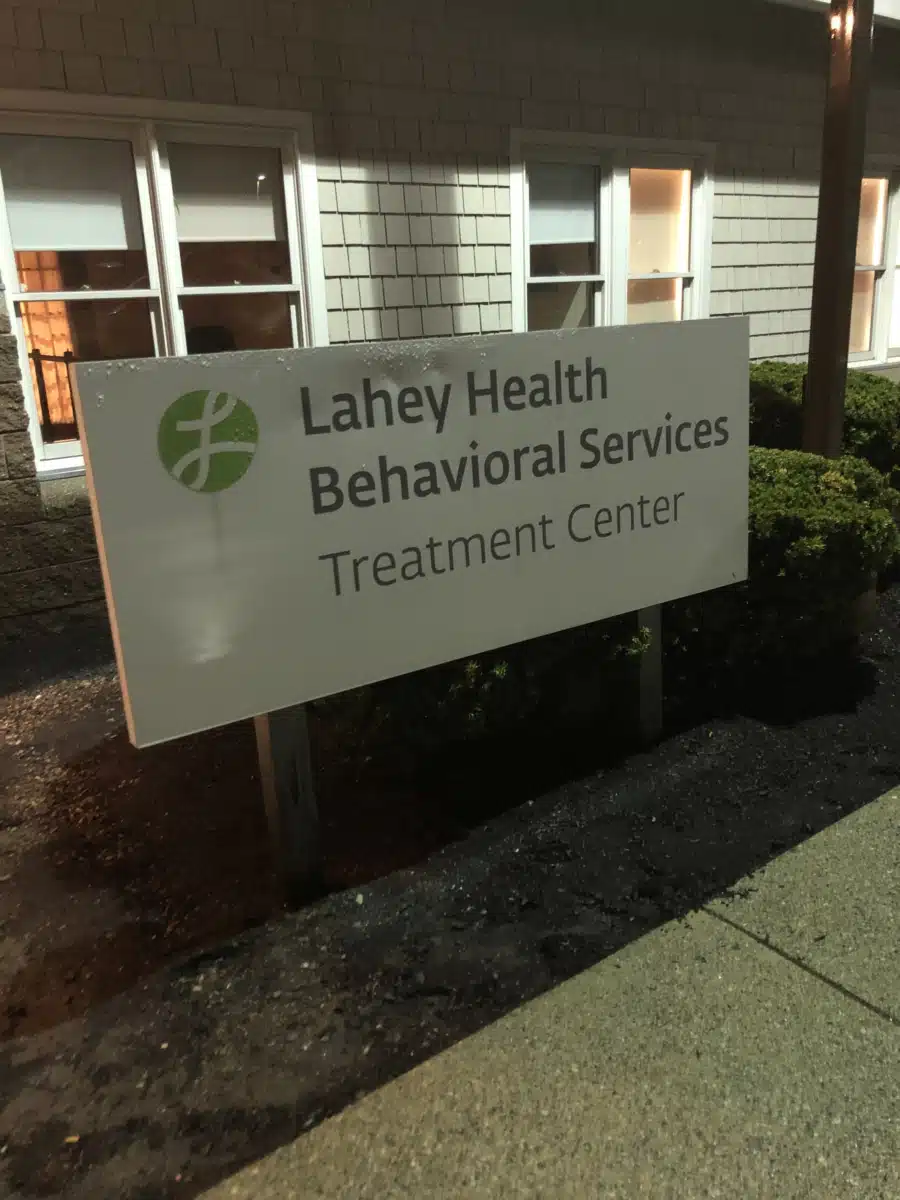
Situated in Tewksbury, MA, Lahey Health Behavioral Services delivers a range of detoxification programs designed for both adults and young adults. The facility emphasizes motivational interviewing, relapse prevention strategies, and counseling specifically for substance use disorders. It offers dedicated treatment options for adult men and women, as well as individuals who have encountered trauma. Clients benefit from hospital inpatient detoxification services and around-the-clock care in a supportive environment. Lahey Health Behavioral Services is committed to addressing the individual needs of each person, fostering a safe space for recovery while aiming to support clients in their journey toward sustained sobriety and overall well-being.
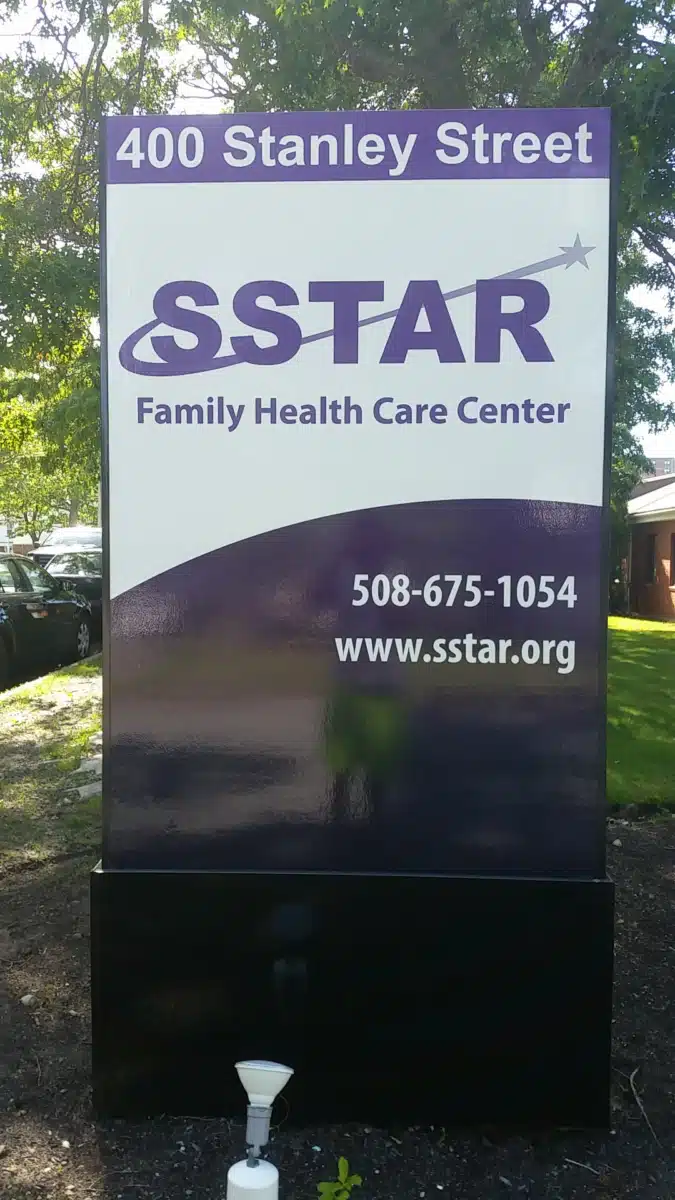
Located in Fall River, MA, the Family Healthcare Center at SSTAR provides an array of specialized treatment programs addressing substance use issues alongside co-occurring mental health disorders. Utilizing evidence-based methodologies, their outpatient and intensive outpatient services incorporate strategies such as cognitive behavioral therapy, motivational interviewing, and contingency management. The center has developed programs specifically designed for active duty military personnel, adolescents, and adult men, ensuring that individuals receive personalized care tailored to their unique needs. Catering to adults and seniors of all genders, the center emphasizes a commitment to quality care through its diverse array of treatment options, making it a significant resource for those pursuing comprehensive rehabilitation services in the Fall River community.
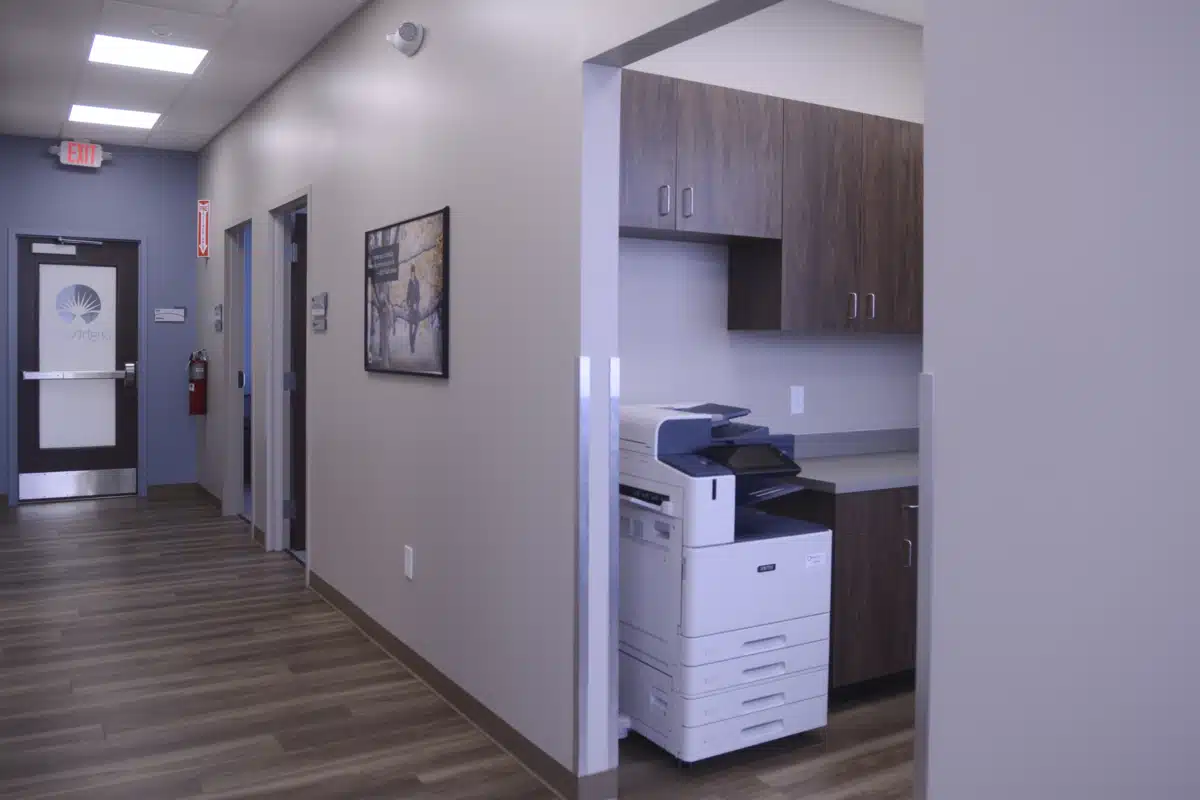
BrightView Health, located in Hyannis, MA, provides an extensive array of services designed for individuals struggling with addiction. The center offers detoxification and various substance use treatment options, including intensive outpatient, outpatient, and day treatment programs. Emphasizing evidence-based practices, BrightView employs techniques such as cognitive behavioral therapy and community reinforcement plus vouchers to create tailored treatment plans. These services are designed to accommodate diverse populations, including adult men and women, pregnant and postpartum women, as well as young adults. By focusing on individualized care, BrightView Health aims to cater to the unique needs of each person on their journey toward recovery, all within a nurturing environment dedicated to effective treatment.
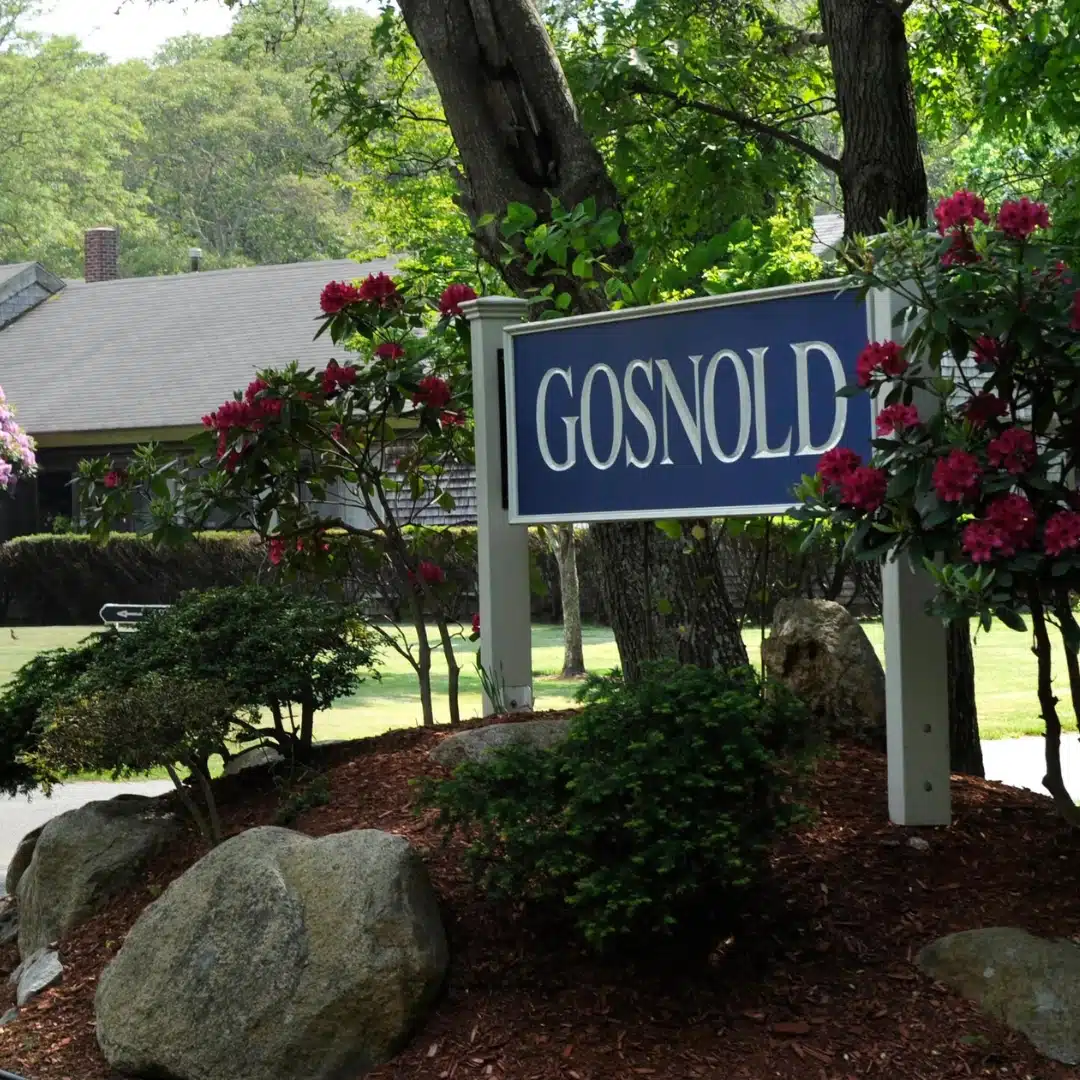
Located in Falmouth, Massachusetts, Gosnold Treatment Center serves as a vital resource for individuals in need of thorough addiction treatment. The center provides hospital inpatient detoxification and treatment services, with particular expertise in co-occurring substance use and mental health disorders for both adults and young adults. Emphasizing personalized care, Gosnold Treatment Center offers specific programs designed for adult women, those living with HIV/AIDS, and individuals facing co-occurring disorders. The facility employs evidence-based methodologies, including 12-step facilitation and anger management techniques, to cultivate a nurturing atmosphere conducive to recovery. Clients, regardless of gender, can anticipate high-quality care and customized treatment plans tailored to their unique needs at Gosnold Treatment Center.
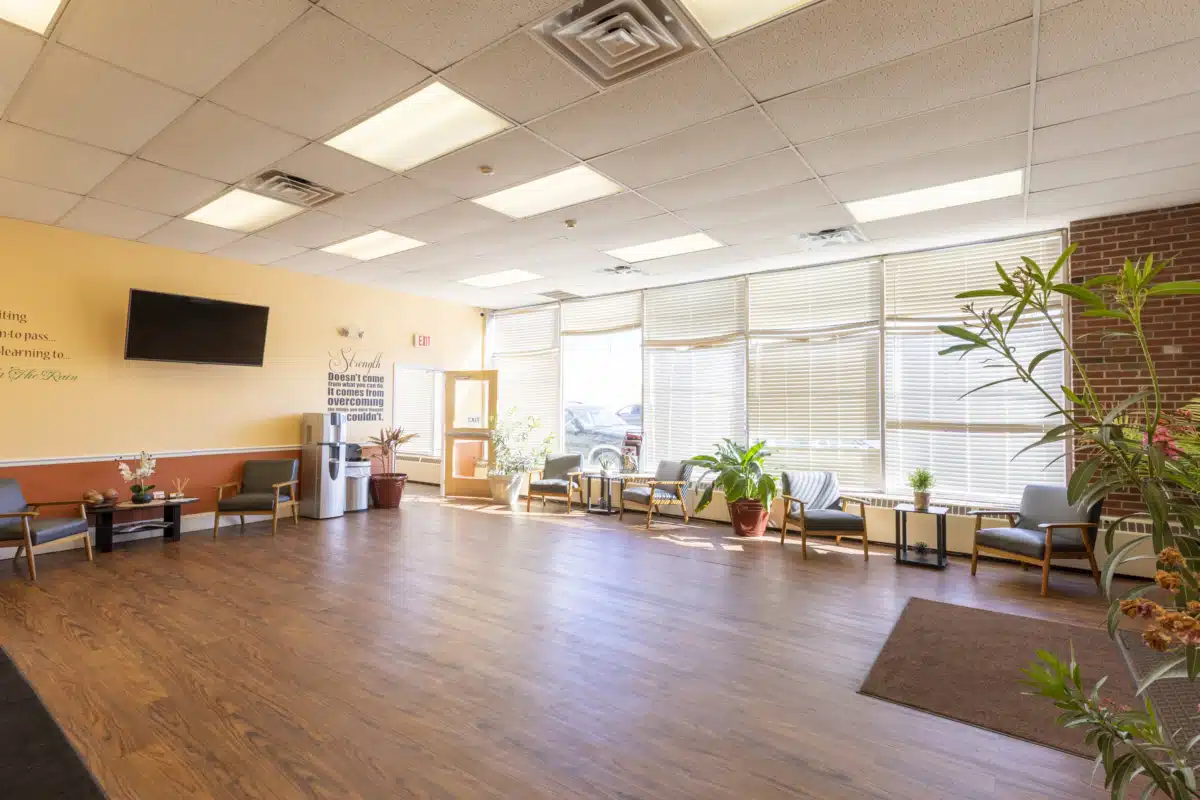
Situated in Haverhill, MA, New Horizons Medical provides an extensive array of focused rehabilitation services. This facility offers outpatient treatment tailored for adults grappling with substance use and co-occurring severe mental health disorders, as well as for children experiencing serious emotional disturbances. The available programs encompass 12-step facilitation, anger management, and brief interventions. Furthermore, New Horizons Medical has developed specialized programs for active duty military personnel, as well as distinct offerings for adult men and women, reflecting its commitment to serving a wide variety of individuals. With an emphasis on quality care, the center seeks to create personalized treatment plans to assist both adults and young adults of all genders on their paths toward recovery.
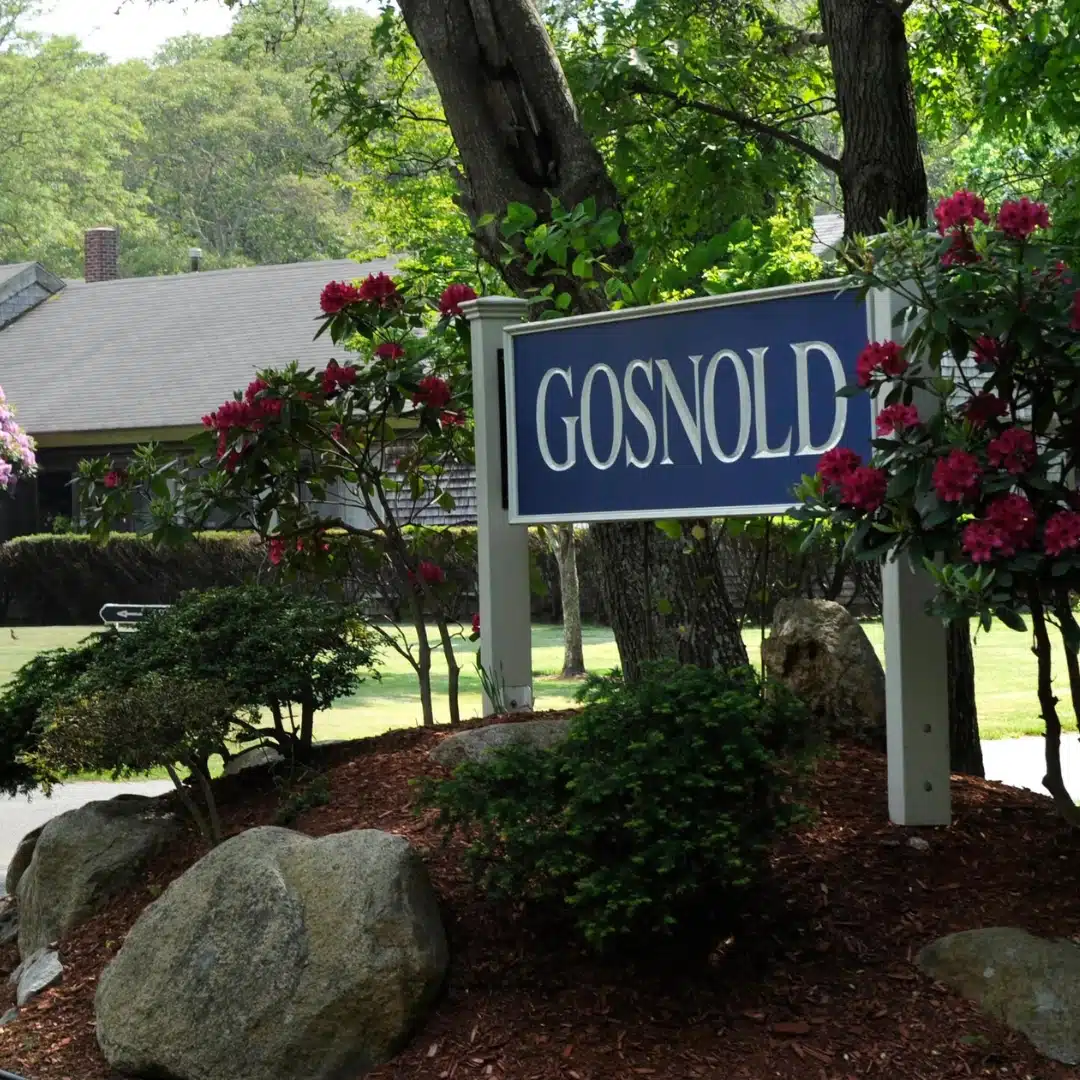
The Gosnold Counseling Center, situated in Falmouth, MA, provides extensive treatment for substance use disorders, catering to both adults and children who are also dealing with significant mental health challenges. The facility focuses on intensive outpatient and outpatient care, employing strategies such as 12-step facilitation, anger management, and brief interventions tailored to meet individual needs. The programs are specifically designed to support clients with dual diagnoses, as well as members of military families, serving adults and seniors across all genders. The center emphasizes delivering quality care and demonstrates considerable expertise in managing complex cases, making it a supportive choice for individuals in search of effective rehabilitation services.
JRI Lawrence is a rehabilitation center situated in Lawrence, MA, that provides extensive outpatient treatment options for adults facing substance use issues as well as co-occurring serious mental health disorders. The facility also addresses serious emotional disturbances in children. JRI Lawrence offers specialized programs designed for various demographics, including adolescents and adult men and women, and serves clients of all genders across different age groups, including seniors. The center places a strong emphasis on delivering care through customized treatment plans that are tailored to the individual requirements of each patient. With a focus on holistic healing, JRI Lawrence is dedicated to offering compassionate and effective support, aiming to assist individuals in their journey towards sustained recovery.
About Bipolar Disorder Treatment
Bipolar disorder and substance use disorders have one of the highest rates of co-occurrence among all psychiatric conditions. According to the National Institute of Mental Health, more than half of individuals diagnosed with bipolar disorder will develop a substance use disorder during their lifetime. This combination creates unique treatment challenges, but Massachusetts offers specialized dual diagnosis programs that address both conditions with integrated, evidence-based care.
Bipolar Disorder and Addiction: Understanding the Connection
Bipolar disorder is characterized by dramatic shifts in mood, energy, and activity levels — cycling between manic (or hypomanic) highs and depressive lows. These mood episodes create powerful drives toward substance use:
- During manic episodes: Impulsivity, poor judgment, and a feeling of invincibility lead to risky behaviors including drug and alcohol use. The euphoria of mania can drive seeking of stimulants, cocaine, or excessive alcohol consumption.
- During depressive episodes: The crushing weight of bipolar depression drives self-medication with alcohol, opioids, marijuana, or other substances to escape despair, hopelessness, and emotional pain.
- During mixed episodes: The combination of high energy and depressive thoughts creates intense distress that individuals may desperately try to manage with substances.
- Medication non-compliance: Some individuals use substances instead of prescribed medications, or stop medications during manic episodes when they feel "fine."
Types of Bipolar Disorder
Understanding the specific type of bipolar disorder is essential for effective treatment planning:
- Bipolar I Disorder: Characterized by full manic episodes lasting at least seven days (or requiring hospitalization) and depressive episodes lasting at least two weeks. Bipolar I has the highest rate of co-occurring substance use.
- Bipolar II Disorder: Features hypomanic episodes (less severe than full mania) and major depressive episodes. The depressive episodes are often more prominent and debilitating, and may drive substance use for relief.
- Cyclothymic Disorder (Cyclothymia): A milder form with chronic fluctuating mood involving periods of hypomanic and depressive symptoms lasting at least two years. While less severe, cyclothymia can still significantly impact functioning and increase substance use risk.
Integrated Treatment Approach
Treating bipolar disorder alongside addiction requires a carefully coordinated approach. Each condition can destabilize the other — substance use can trigger mood episodes, while mood episodes can trigger relapse. Integrated treatment addresses both simultaneously:
Mood Stabilization
Psychiatric stabilization is often the first priority. This involves establishing effective medication regimens while simultaneously addressing substance use through medical detox when needed.
Psychotherapy
- CBT: Adapted for bipolar disorder, CBT helps identify early warning signs of mood episodes, challenge distorted thinking, and develop relapse prevention strategies for both conditions
- DBT: Teaches emotional regulation skills critical for managing the intense emotions of bipolar disorder without resorting to substances
- Interpersonal and Social Rhythm Therapy (IPSRT): Specifically designed for bipolar disorder, IPSRT focuses on stabilizing daily routines and sleep patterns — disruptions to which can trigger mood episodes
- Psychoeducation: Understanding bipolar disorder, its symptoms, triggers, and treatment helps individuals and families become active partners in recovery
Medication Management
Medication is a cornerstone of bipolar disorder treatment. For individuals with co-occurring addiction, medication selection requires expertise in both conditions:
- Mood stabilizers: Lithium and valproic acid (Depakote) are primary treatments for bipolar disorder and do not carry addiction risk
- Atypical antipsychotics: Quetiapine (Seroquel), olanzapine, aripiprazole, and others help manage mania and may have mood-stabilizing properties
- Lamotrigine (Lamictal): Particularly effective for bipolar depression with minimal side effects and no abuse potential
- Antidepressants: Used cautiously in bipolar disorder (risk of triggering mania), always paired with a mood stabilizer
- Medications to avoid: Benzodiazepines and stimulants are generally avoided due to addiction risk, though careful, supervised use may sometimes be necessary short-term
For individuals with co-occurring opioid or alcohol addiction, MAT medications (naltrexone, buprenorphine, acamprosate) can be safely combined with mood stabilizers under proper psychiatric supervision.
Levels of Care for Bipolar Disorder and Addiction
The appropriate level of care depends on symptom severity and safety needs:
- Hospital inpatient: For acute mania, suicidal ideation, psychotic features, or medical detox requiring close monitoring
- Residential treatment: Structured 24/7 care for stabilization and intensive therapy, typically 30-90 days
- PHP: Intensive day treatment (20+ hours/week) with psychiatrist access, suitable for stable individuals transitioning from residential
- IOP: 9-19 hours per week for ongoing treatment while maintaining daily responsibilities
- Standard outpatient: Long-term medication management, individual therapy, and support groups
Frequently Asked Questions
Can substance use trigger a bipolar episode?
Yes. Stimulants like cocaine and methamphetamine can trigger manic episodes. Alcohol and depressants can worsen or trigger depressive episodes. Even marijuana can destabilize mood in individuals with bipolar disorder. Achieving sobriety significantly improves mood stability.
Will I need to take medication for the rest of my life?
Bipolar disorder is a chronic condition, and long-term medication is typically recommended to prevent mood episodes. Stopping medication — especially abruptly — is one of the most common triggers for mood episodes and relapse. Any medication changes should be made gradually under psychiatric supervision.
How can I tell if I have bipolar disorder or if substances are causing my mood swings?
Distinguishing between bipolar disorder and substance-induced mood instability requires careful assessment, often after a period of sobriety. A qualified psychiatrist will evaluate your mood history, family history, symptom patterns, and timeline relative to substance use to make an accurate diagnosis.
Does insurance cover bipolar and addiction treatment?
Yes. Massachusetts law and federal mental health parity laws require insurance coverage for both mental health and substance use disorders at the same level as physical health conditions. MassHealth provides comprehensive coverage for dual diagnosis treatment.
What should family members know?
Family involvement is crucial in bipolar disorder recovery. Learning about the condition, recognizing early warning signs of mood episodes, understanding medication importance, and participating in family therapy can significantly improve outcomes. Organizations like NAMI (National Alliance on Mental Illness) Massachusetts offer family support groups and education.
For more information about bipolar disorder and co-occurring substance use:
- National Institute of Mental Health — Bipolar Disorder
- NAMI — Bipolar Disorder
- SAMHSA National Helpline — 1-800-662-4357
Living well with bipolar disorder and addiction is possible with proper treatment. Browse our directory of Massachusetts treatment centers to find programs with integrated psychiatric and addiction care, or call the Massachusetts Substance Use Helpline at 1-800-327-5050.