
Anxiety Disorders Rehab Centers
Anxiety disorder treatment provides specialized care for individuals with co-occurring anxiety conditions alongside substance use disorders.
Found 331 rehab centers specializing in anxiety disorders across Massachusetts.
Last reviewed: March 27, 2026
Want us to find the perfect facility for you?
Call now - it's completely free!
Showing 20 of 331 anxiety disorders rehab centers
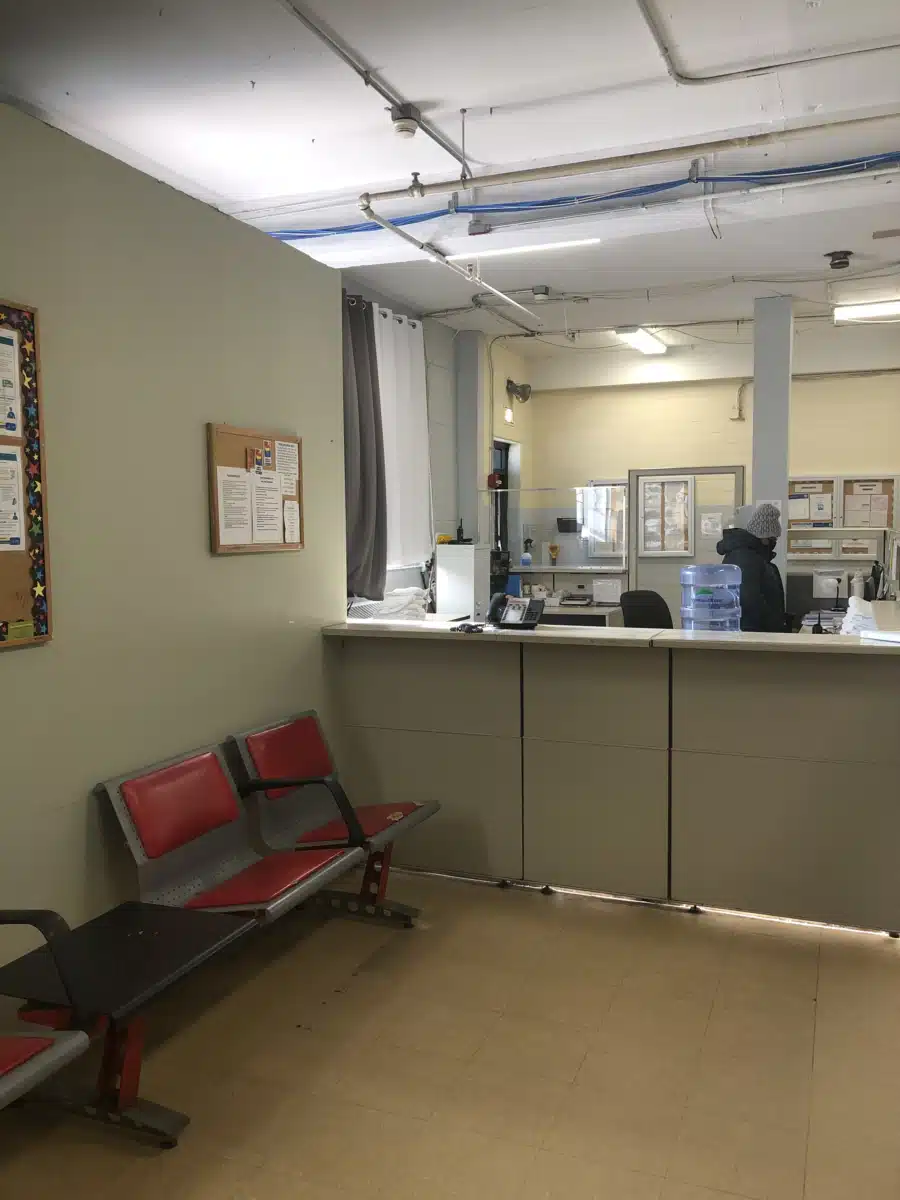
Situated in Jamaica Plain, MA, Pine Street Inn focuses on providing substance use treatment specifically for adult men dealing with co-occurring mental health disorders. The facility offers both intensive outpatient and outpatient programs that integrate various therapeutic approaches, such as 12-step facilitation, anger management, and brief intervention techniques. Additionally, Pine Street Inn is dedicated to delivering specialized care for individuals who have faced trauma. With an emphasis on clients who experience co-occurring disorders, including significant mental health issues, this center serves adults and seniors in search of comprehensive and personalized treatment options. Pine Street Inn is recognized for its individualized programs and commitment to high-quality care, aiming to effectively support clients as they progress through their recovery journey.
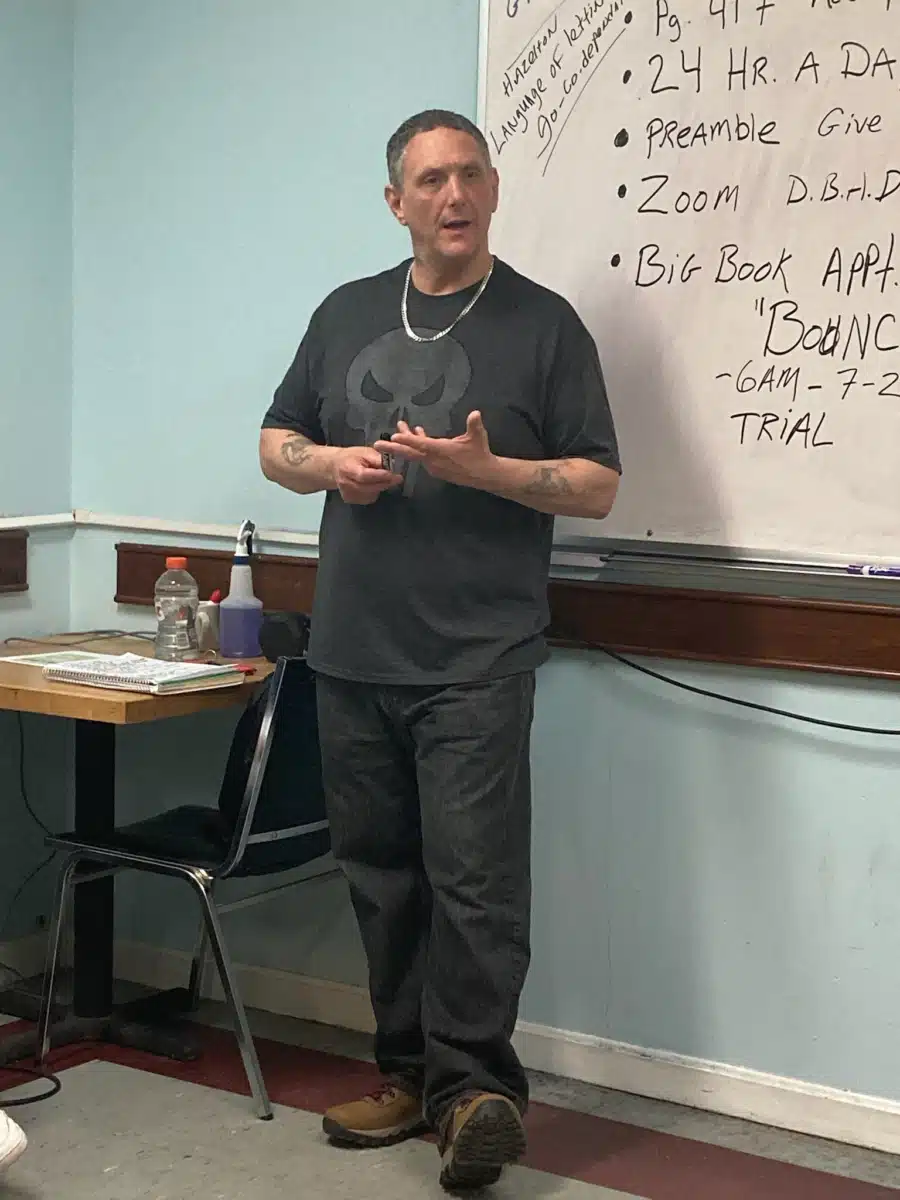
The Gavin Foundation, situated in Boston, MA, provides a wide array of treatment services for individuals dealing with substance use issues, encompassing both adults and children/adolescents. The facility is equipped to offer intensive outpatient treatment alongside various outpatient programs, including options for methadone, buprenorphine, or naltrexone treatment. Emphasizing a variety of therapeutic approaches, such as 12-step facilitation, anger management, and brief intervention strategies, the center specifically addresses the needs of individuals who are managing co-occurring substance use disorders along with serious mental health conditions or emotional challenges. Recognizing the unique needs of different populations, special programs are designed for both adult men and women, ensuring that care is tailored to the distinct requirements of each gender. The Gavin Foundation is committed to providing effective, gender-specific support as individuals navigate their paths to recovery.
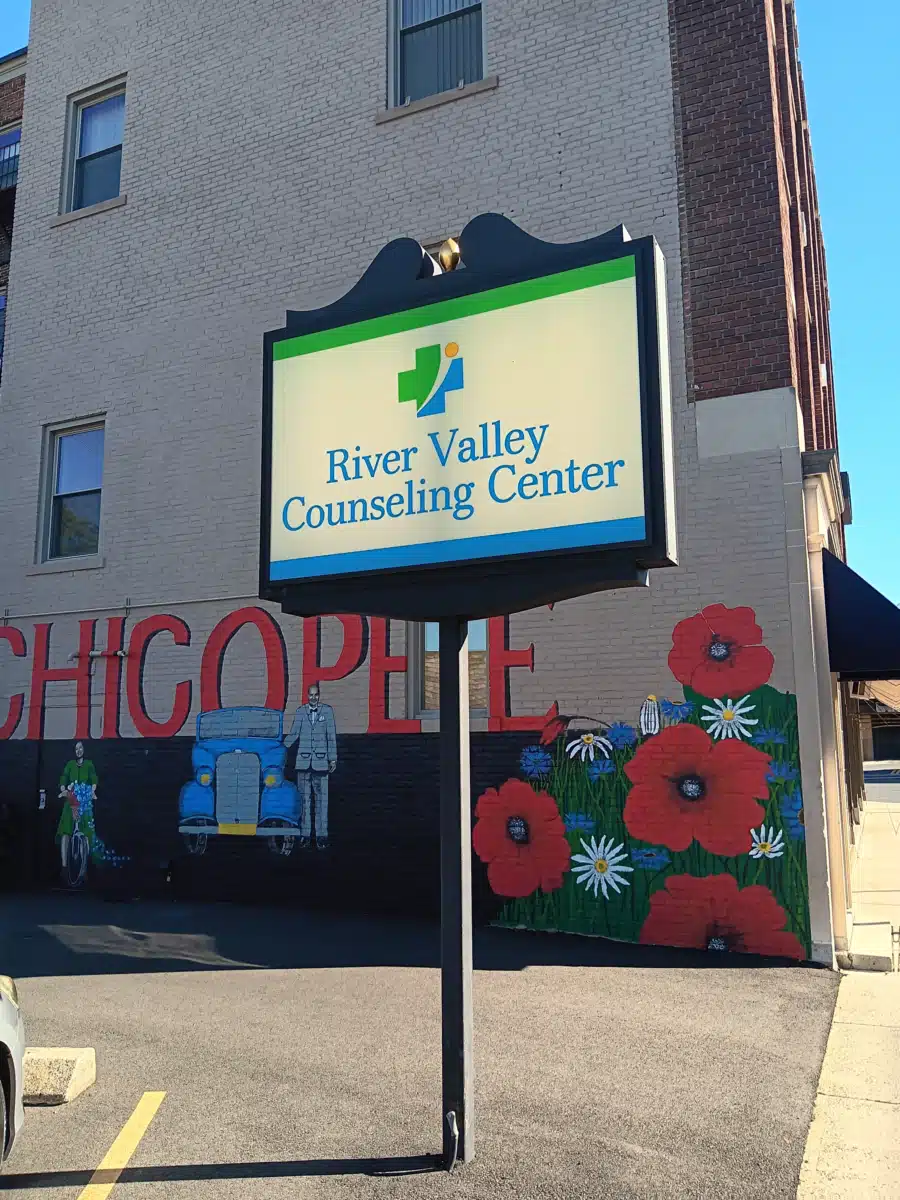
River Valley Counseling Center, located in Westfield, MA, provides outpatient services for individuals, including both adults and children, who are facing substance use issues in conjunction with significant mental health conditions or emotional challenges. The center emphasizes various therapeutic approaches, including anger management, brief interventions, and cognitive behavioral therapy, to support clients who are navigating co-occurring pain and substance use disorders. With specialized programs designed specifically for adolescents and young adults, River Valley Counseling Center serves both male and female clients who are looking for thorough and thoughtful rehabilitation care. Their commitment to individualized treatment and comprehensive support distinguishes this facility in the realm of mental health and substance use recovery.
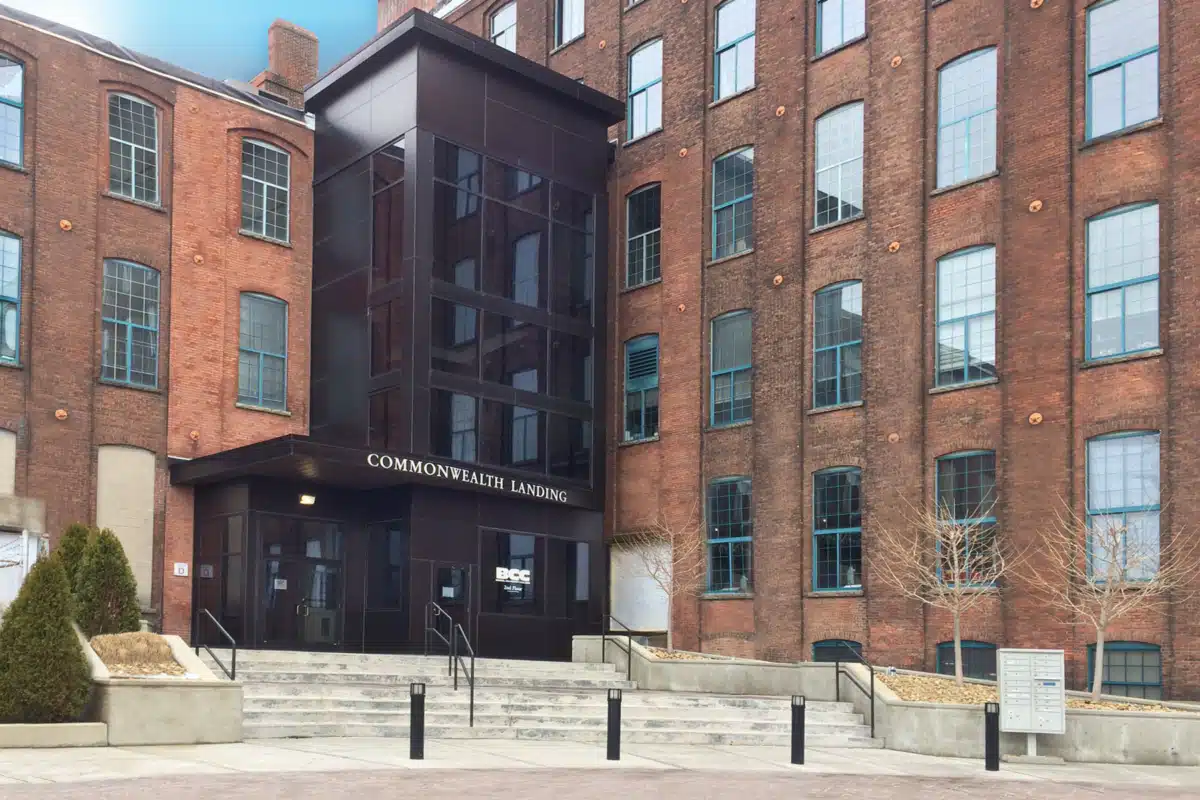
Arbour Counseling Services, located in Jamaica Plain, MA, provides a variety of evidence-based treatment options aimed at addressing substance use issues and co-occurring mental health disorders for both adults and children. The facility offers several program formats, including intensive outpatient, outpatient, and day treatment, ensuring flexibility to meet patients' needs. Therapies such as cognitive behavioral therapy and motivational interviewing are utilized to create a personalized care experience for each individual. The center also features specialized programs designed for adult men, trauma survivors, and individuals facing co-occurring conditions. Emphasizing quality care, Arbour Counseling Services supports adults and young adults of all genders in their journey toward comprehensive rehabilitation.

Hurley House, situated in Waltham, MA, provides long-term residential treatment designed for adult men facing challenges related to substance use and co-occurring serious mental health conditions. The facility emphasizes 12-step facilitation and anger management within a nurturing environment that addresses the complex needs of its clients. Their programs are specifically tailored to serve adults, seniors, and young adults, ensuring that care is appropriate for each age group. Notably, Hurley House is dedicated to supporting individuals who are involved with the criminal justice system as well as those experiencing co-occurring disorders. The center’s commitment to high-quality care is reflected in its use of evidence-based methods, including brief interventions, aimed at fostering sustained recovery for those who seek assistance.
Located in Easthampton, Massachusetts, River Valley Counseling Center offers a range of outpatient services specifically designed for adults dealing with substance use issues. Additionally, the center addresses co-occurring substance use and serious mental health disorders, extending its services to both adults and children. The facility places a strong emphasis on therapeutic techniques such as anger management, brief intervention, and cognitive behavioral therapy. It also features specialized programs targeting adolescents, clients who experience both chronic pain and substance use disorders, as well as young adults. By accommodating both male and female clients of varying ages, River Valley Counseling Center is committed to providing personalized care that caters to the unique needs of each individual.
Situated in Gloucester, Massachusetts, the JRI Behavioral Health Center provides outpatient services for individuals dealing with substance use and co-occurring disorders, encompassing both adults and children. The center emphasizes a variety of therapeutic approaches, including anger management, brief interventions, and cognitive behavioral therapy, ensuring that care is customized to meet the unique needs of each patient. Their programs are designed to support adolescents, adults, and seniors across all genders, reflecting a commitment to delivering quality care. The comprehensive approach taken by the JRI Behavioral Health Center effectively addresses the complexities of substance use and mental health challenges, positioning it as a resource for those in search of personalized rehabilitation options.
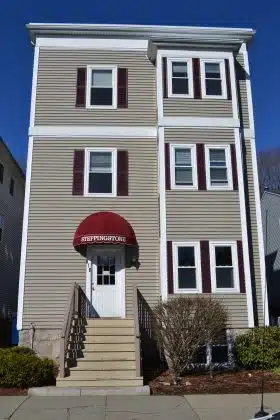
Steppingstone Inc, located in New Bedford, MA, provides focused addiction treatment services within a residential environment designed for support and recovery. This facility offers long-term residential care specifically for adult women, including those who have encountered intimate partner violence. The center's programs are tailored to meet individual needs and utilize various methods, such as 12-step facilitation, anger management, and brief interventions, allowing for a comprehensive approach to treatment. The services at Steppingstone Inc extend to active duty military personnel and seniors, reflecting a commitment to addressing the needs of varied age groups. The facility places a strong emphasis on transitional housing and sober living, prioritizing the overall well-being and recovery of its clients. Steppingstone Inc serves as a significant resource for individuals seeking structured and supportive addiction treatment options.
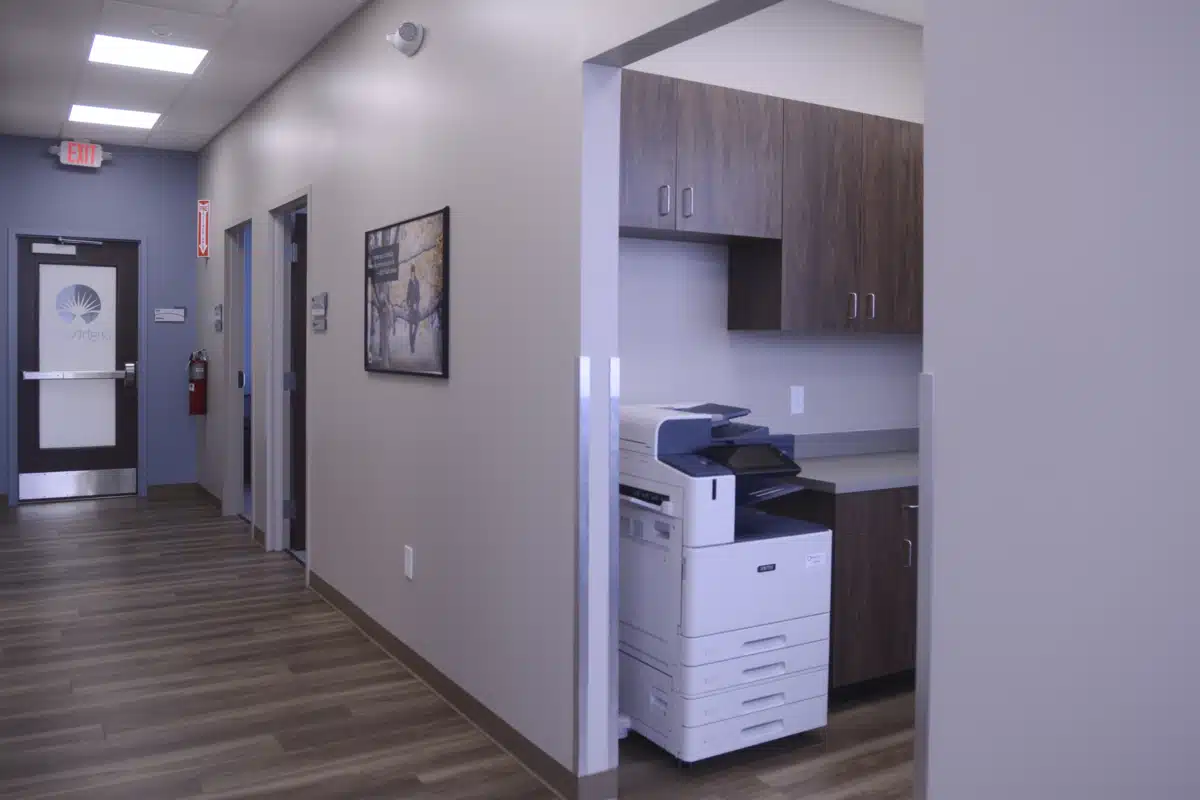
BrightView Health, located in Stoughton, MA, provides an extensive selection of addiction treatment services designed for both adults and young adults. The center offers detoxification and substance use treatment through various programs, including intensive outpatient, outpatient, and day treatment options. Emphasizing evidence-based methodologies such as cognitive behavioral therapy and community reinforcement plus vouchers, BrightView Health is dedicated to delivering individualized care. This approach caters to diverse client needs, including adult men, adult women, pregnant and postpartum women, as well as male and female clients. The facility’s focus on personalized treatment plans and high-quality care supports individuals in their journey toward effective rehabilitation.
Situated in Lawrence, Massachusetts, BrightView Health delivers a wide range of addiction treatment services designed to meet various needs. The facility offers detoxification alongside several levels of substance use treatment, which include intensive outpatient, outpatient, and outpatient day treatment programs. Employing strategies such as brief interventions, cognitive behavioral therapy, and community reinforcement with vouchers, the center provides support to adult men and women, including clients who have encountered intimate partner or domestic violence. BrightView Health is dedicated to serving adults and young adults across all genders, emphasizing the importance of individualized care and tailored treatment plans to assist individuals on their path to recovery.
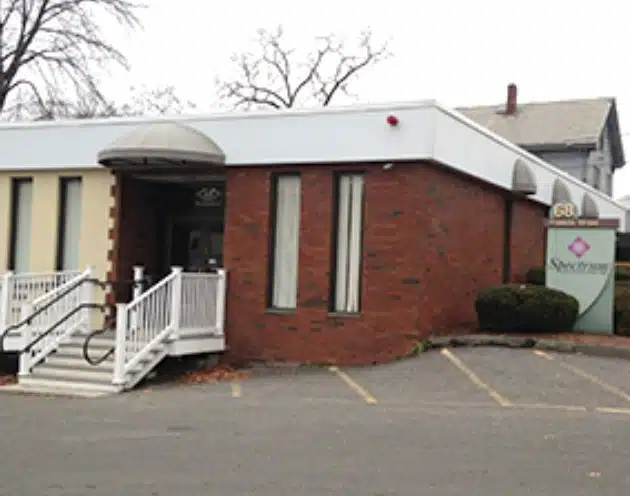
Spectrum Health Systems Inc, located in North Adams, MA, provides a wide range of addiction treatment services aimed at both adults and young adults. The facility specializes in detoxification, treatment for substance use, and addressing co-occurring disorders. It offers outpatient care that encompasses detoxification as well as methadone and buprenorphine treatment. Additionally, Spectrum Health Systems Inc employs various therapeutic strategies, including 12-step facilitation and anger management, to support recovery. The organization has developed tailored programs to meet the unique needs of different populations, including active duty military personnel and adult men and women. By focusing on individualized treatment plans, Spectrum Health Systems Inc strives to deliver quality care that is responsive to the diverse requirements of those seeking rehabilitation services in the North Adams community.
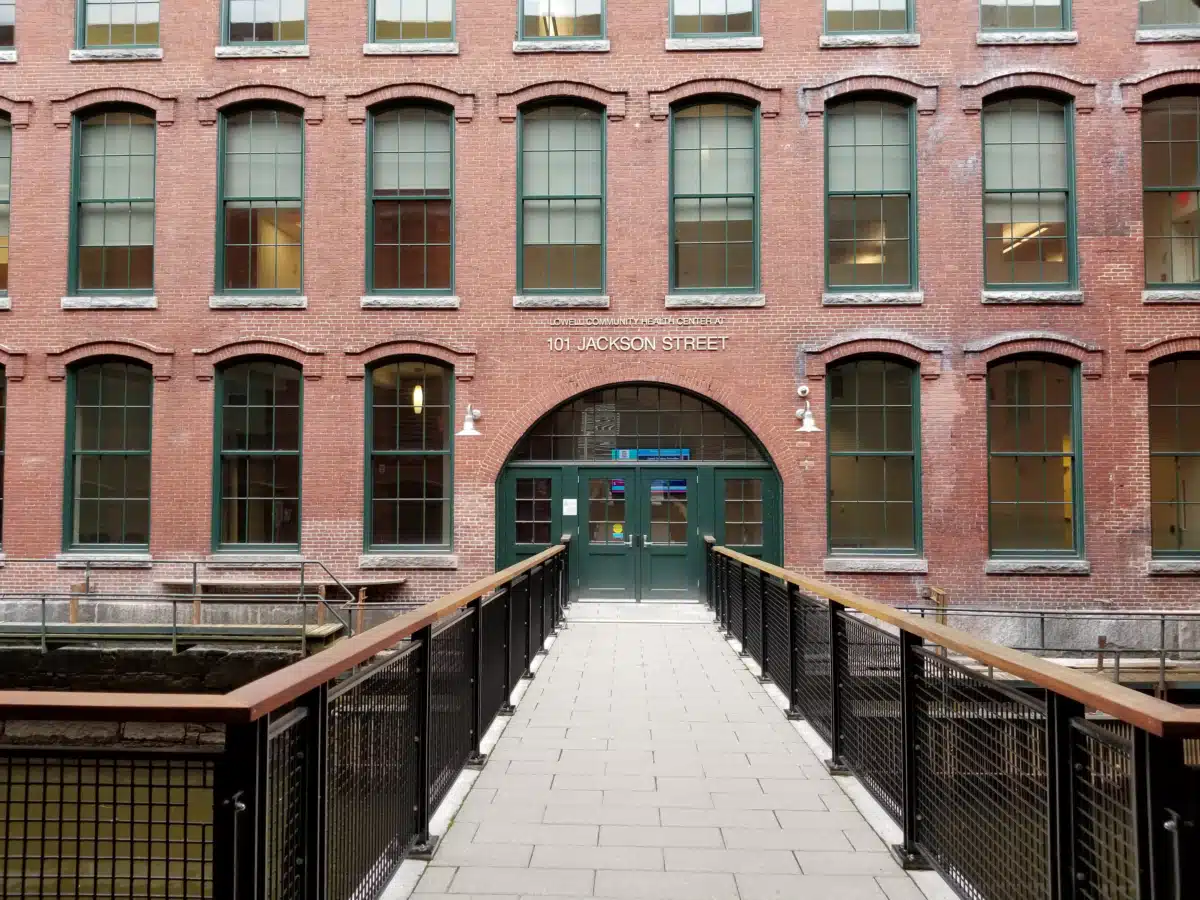
Lowell House Inc, located in Tewksbury, MA, provides targeted substance use treatment within a nurturing setting. The facility features both long-term residential and 24-hour residential programs specifically designed for adult men. The treatment approach incorporates methods such as 12-step facilitation, anger management, and cognitive behavioral therapy, emphasizing a holistic perspective on recovery. There are specialized programs available for populations including active duty military personnel, adult men, and those who have experienced intimate partner violence. Serving adult, senior, and young adult males, Lowell House Inc is committed to offering comprehensive care that aids individuals in their pursuit of sobriety.
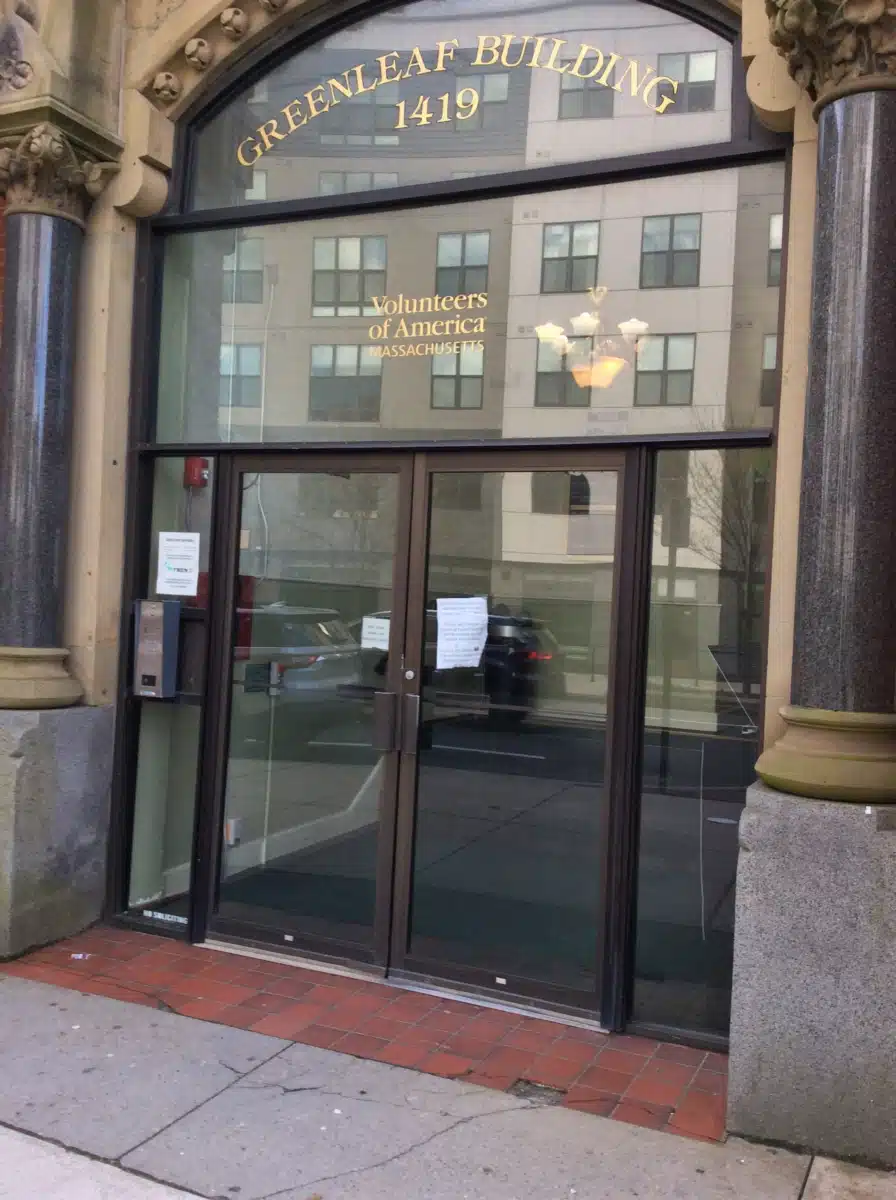
Situated in Quincy, Massachusetts, VOA Behavioral Health Services provides a wide array of outpatient treatment options targeting substance use and co-occurring disorders for both adults and children. The center offers a variety of specialized services, such as anger management, cognitive behavioral therapy, and brief intervention strategies. Emphasizing personalized care, their programs cater to adolescents as well as adult men and women. VOA Behavioral Health Services is particularly notable for its dedication to delivering quality treatment grounded in evidence-based practices, accommodating adults and seniors of all genders. Individuals looking for regular outpatient care, as well as those in need of methadone, buprenorphine, or naltrexone treatment, can access supportive and compassionate services at this facility.
Arbour Counseling Services, located in Worcester, MA, provides a range of outpatient programs designed to address substance use and co-occurring disorders for both adults and children. The facility offers multiple treatment options, including outpatient day treatment, regular outpatient care, and partial hospitalization. By employing evidence-based methods, such as cognitive behavioral therapy and anger management, the center develops personalized programs that cater to the specific needs of each client. Committed to delivering quality care, Arbour Counseling Services is equipped to support adults and seniors of all genders. For those seeking specialized treatment within a nurturing environment, this facility may be a suitable option for your path to recovery.

New England Aftercare Ministries Inc, situated in Framingham, MA, provides long-term residential treatment for adult men dealing with substance use issues. This facility emphasizes a supportive atmosphere through its transitional housing, employing strategies such as 12-step facilitation, cognitive behavioral therapy, and community reinforcement, alongside the use of vouchers. The programs at this center are specifically designed to meet the needs of adult men, while also extending care to seniors and young adults who are pursuing thorough treatment options. By concentrating on male clients, New England Aftercare Ministries Inc adopts a focused approach to the recovery process. As a provider of residential care available around the clock, the organization is committed to delivering quality treatment for those on a structured path toward sobriety.
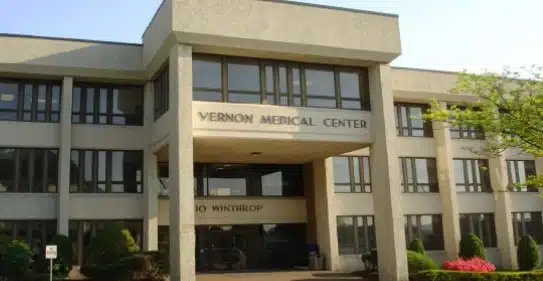
Multicultural Wellness Center Inc, located in Worcester, MA, provides outpatient treatment services for adults dealing with substance use disorders and co-occurring serious mental health issues. They also address serious emotional disturbances in children. The center employs various therapeutic methods, including anger management, cognitive behavioral therapy, and motivational interviewing, to deliver regular outpatient care. With an emphasis on customized treatment plans, Multicultural Wellness Center Inc serves a diverse population of adults and seniors, regardless of gender. Its focus on personalized programs and dedication to quality care positions it as an important option for individuals in need of effective rehabilitation services.

ServiceNet OP Behavioral Center, located in Northampton, MA, provides outpatient treatment for substance use disorders affecting both adults and children who also face significant mental health challenges. The center employs therapeutic methods such as cognitive behavioral therapy and motivational interviewing to facilitate regular outpatient care and offer brief interventions that are customized to meet the unique needs of each client. Specific programs are available for individuals who are coping with trauma, navigating co-occurring disorders, or are involved in the criminal justice system. With a commitment to delivering quality care, the center accommodates both male and female clients seeking support in their behavioral health journeys within a nurturing environment.
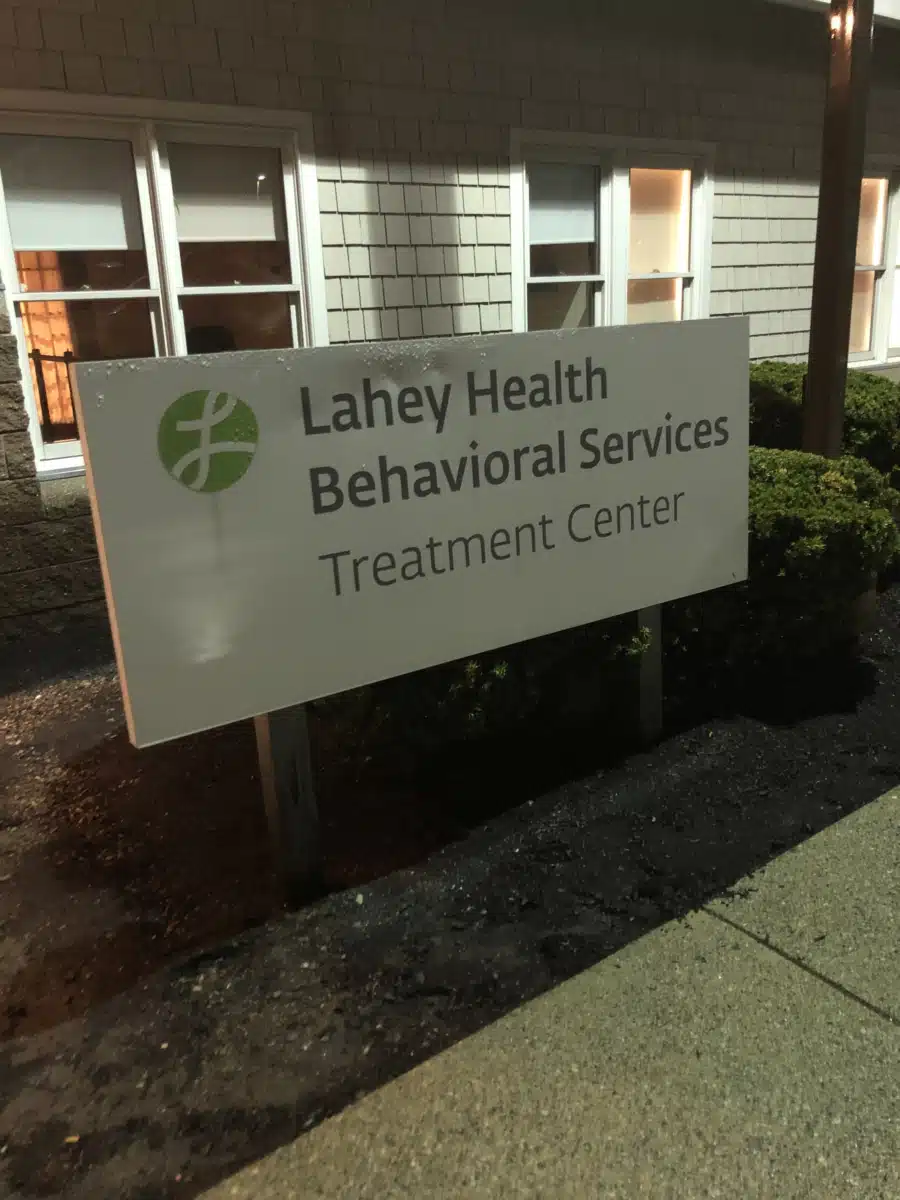
Lahey Health Behavioral Services, located in Danvers, MA, provides a range of addiction treatment options, which encompass hospital inpatient detoxification, around-the-clock inpatient care, and residential detox programs. The facility is equipped to serve adult men and women, including young adults, and offers customized programs designed to meet the specific needs of each demographic. Their treatment strategies include methods such as 12-step facilitation, brief intervention, and cognitive behavioral therapy, aimed at delivering personalized care for every individual. Committed to employing quality, evidence-based practices, Lahey Health Behavioral Services focuses on assisting individuals as they navigate their recovery journey from substance use disorders.

Located in Worcester, MA, "Motivating Youth Recovery" provides a range of addiction treatment services designed for adults, children, and young adults. The facility offers hospital inpatient detoxification and treatment tailored to those struggling with substance use disorders, while also addressing co-occurring mental health issues. To enhance the recovery process, the center employs evidence-based methods, including 12-step facilitation, cognitive behavioral therapy, and brief interventions. In addition, the center features specialized programs aimed at adolescents, individuals who have suffered sexual abuse, and those with a history of trauma. By prioritizing quality care, "Motivating Youth Recovery" aims to support both male and female clients in a nurturing environment conducive to meaningful recovery and healing.
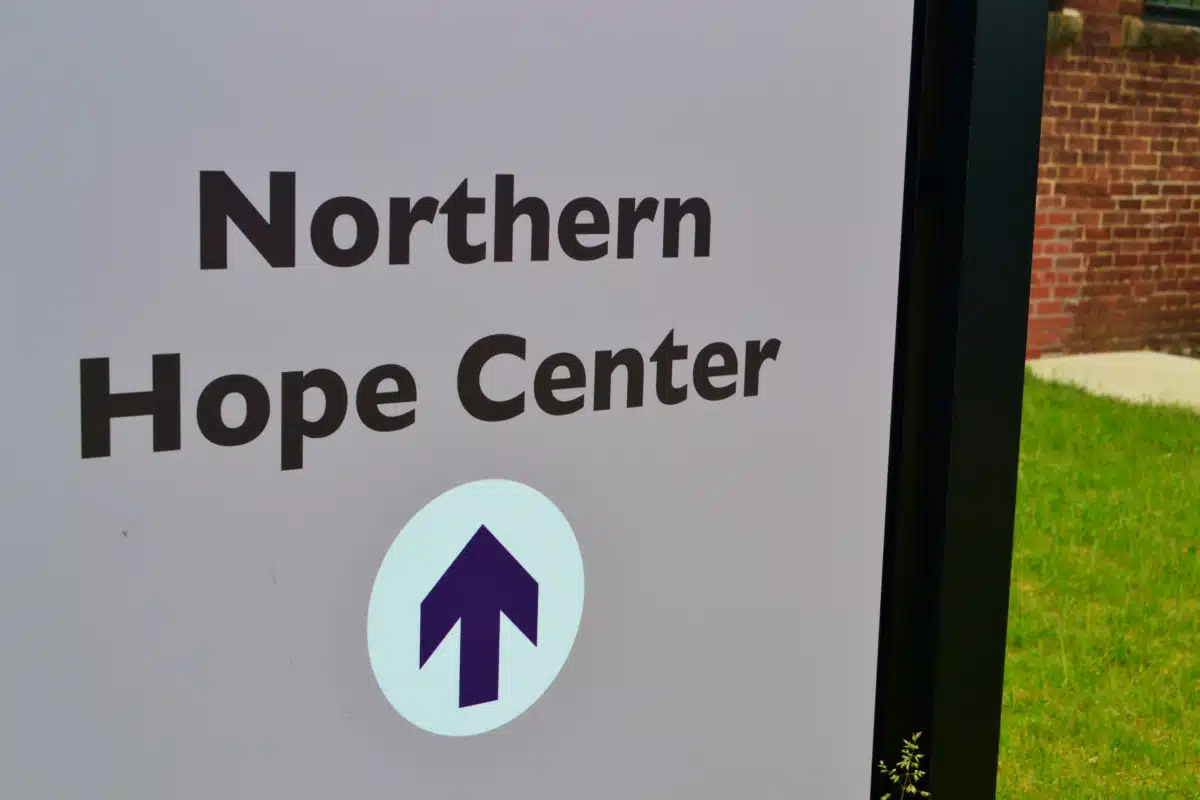
Behavioral Health Network (BHN), situated in Westfield, MA, provides outpatient treatment for substance use aimed at both adults and children experiencing significant mental health challenges. The center employs therapeutic approaches such as cognitive behavioral therapy, motivational interviewing, and anger management to create individualized care plans tailored for its male and female clients. BHN places particular emphasis on co-occurring disorders, servicing adults and seniors who are in search of well-rounded treatment options within a standard outpatient environment. By focusing on personalized programs, the facility addresses the unique needs of each individual, striving to deliver quality care and support throughout their recovery process.
About Anxiety Disorders Treatment
Anxiety disorders are among the most common mental health conditions in the United States, affecting approximately 40 million adults each year according to the Anxiety and Depression Association of America. When anxiety co-occurs with substance use disorder — a frequent combination — it creates a challenging cycle where substances provide temporary relief but ultimately worsen anxiety symptoms. Massachusetts treatment centers offer specialized programs that address both conditions simultaneously through integrated, evidence-based care.
The Anxiety and Addiction Link
Anxiety and substance use disorders share a complex, bidirectional relationship. Individuals with untreated anxiety often turn to alcohol, benzodiazepines, marijuana, or other substances to calm their nervous system and manage overwhelming fear and worry. While these substances may temporarily reduce anxiety, they ultimately make the condition worse through several mechanisms:
- Rebound anxiety: As substances wear off, anxiety returns stronger than before, driving continued use
- Neurochemical changes: Chronic substance use alters the brain's stress-response system (the HPA axis), making individuals more reactive to anxiety triggers
- Withdrawal-induced anxiety: Withdrawal from alcohol, benzodiazepines, and other depressants can cause severe anxiety, panic attacks, and even seizures
- Life consequences: Substance use creates additional stressors — relationship problems, financial issues, job loss — that increase anxiety
- Avoidance reinforcement: Using substances to avoid anxiety prevents development of healthy coping mechanisms
Types of Anxiety Disorders
Anxiety is not a single condition but a family of related disorders, each with distinct features that influence treatment approach:
- Generalized Anxiety Disorder (GAD): Persistent, excessive worry about multiple areas of life (health, finances, relationships, work) lasting six months or more. GAD is strongly associated with alcohol use disorder.
- Social Anxiety Disorder: Intense fear of social situations and being judged by others. Many individuals with social anxiety use alcohol or drugs to function in social settings, which can quickly develop into dependency.
- Panic Disorder: Recurrent, unexpected panic attacks — sudden episodes of intense fear with physical symptoms like racing heart, chest pain, shortness of breath, and dizziness. Panic disorder is commonly associated with benzodiazepine and alcohol misuse.
- Specific Phobias: Extreme, irrational fears of specific objects or situations. While phobias alone less commonly lead to substance use, they may complicate treatment when co-occurring.
- Agoraphobia: Fear of situations where escape might be difficult, often leading to avoidance of public places. Substance use may become a coping mechanism for individuals who feel trapped by agoraphobic symptoms.
Treatment Approaches for Anxiety and Addiction
Effective treatment for co-occurring anxiety and substance use requires an integrated dual diagnosis approach. Massachusetts treatment programs combine multiple evidence-based modalities:
Cognitive Behavioral Therapy (CBT)
CBT is the gold standard treatment for anxiety disorders. It teaches individuals to identify anxious thoughts, evaluate them rationally, and develop healthier responses. For co-occurring addiction, CBT also addresses substance-related triggers, cravings, and relapse prevention strategies.
Exposure Therapy
A specialized form of CBT, exposure therapy gradually introduces individuals to feared situations in a safe, controlled environment. This process reduces the power of anxiety triggers over time and eliminates the need to use substances for avoidance. Exposure therapy is particularly effective for panic disorder, social anxiety, and specific phobias.
Dialectical Behavior Therapy (DBT)
DBT teaches four core skill sets that directly benefit individuals with anxiety and addiction: mindfulness (present-moment awareness), distress tolerance (surviving crisis without substances), emotion regulation (managing intense feelings), and interpersonal effectiveness (communicating needs without avoidance).
Medication Management
Psychiatric medication can be an important component of treatment, but careful selection is essential for individuals with substance use history:
- SSRIs/SNRIs: First-line medications for anxiety with low abuse potential — sertraline, escitalopram, venlafaxine, duloxetine
- Buspirone: A non-addictive anti-anxiety medication that can be used safely in individuals with substance use disorders
- Hydroxyzine: A non-addictive antihistamine used for short-term anxiety relief
- Beta-blockers: Propranolol can help with physical anxiety symptoms (rapid heartbeat, trembling) without addiction risk
- Important note: Benzodiazepines (Xanax, Klonopin, Valium) are generally avoided in dual diagnosis treatment due to their high addiction potential and dangerous interactions with alcohol and opioids
Mindfulness and Relaxation Techniques
Mindfulness-based practices — including meditation, progressive muscle relaxation, deep breathing exercises, and yoga — teach the nervous system to return to a calm state naturally, without substances. These skills provide lasting anxiety management tools that support long-term recovery.
Self-Help and Coping Strategies
While professional treatment is essential for co-occurring anxiety and addiction, these evidence-based self-help strategies support recovery:
- Regular exercise: 30 minutes of moderate exercise most days significantly reduces anxiety symptoms
- Sleep hygiene: Maintaining a consistent sleep schedule and creating a restful environment
- Caffeine reduction: Limiting caffeine intake, which can trigger or worsen anxiety
- Structured daily routine: Predictability and structure reduce anxiety and support recovery
- Social connection: Attending 12-step meetings or SMART Recovery groups provides both accountability and social support
- Journaling: Writing about worries can externalize anxious thoughts and reduce their intensity
- Grounding techniques: Using the five senses to anchor to the present moment during anxiety episodes
Frequently Asked Questions
Will my anxiety get worse when I stop using substances?
Initially, yes. Withdrawal from alcohol, benzodiazepines, and other substances commonly causes increased anxiety. This is temporary. With medical support during detox and ongoing treatment, anxiety levels typically stabilize and improve as the brain heals. Many people find their baseline anxiety is much lower after achieving sustained sobriety.
Can I take anxiety medication during addiction treatment?
Yes, but the type of medication matters. Non-addictive options like SSRIs, buspirone, and hydroxyzine are safe and effective during recovery. Your treatment team will avoid prescribing benzodiazepines and other potentially addictive medications whenever possible.
How long does treatment for co-occurring anxiety and addiction take?
Treatment duration varies, but dual diagnosis conditions typically require longer engagement. Residential programs may last 30-90 days, followed by step-down to outpatient care. Ongoing therapy and medication management often continue for a year or more.
Is my anxiety a separate condition or caused by substance use?
Both scenarios are common, and a thorough clinical assessment is needed to determine this. Substance-induced anxiety often improves with sobriety, while independent anxiety disorders persist and require ongoing treatment. In either case, integrated treatment is recommended.
For authoritative information on anxiety disorders and co-occurring substance use:
- National Institute of Mental Health — Anxiety Disorders
- Anxiety and Depression Association of America
- SAMHSA National Helpline — 1-800-662-4357
Anxiety does not have to control your life. Browse our directory of Massachusetts treatment centers to find programs specializing in co-occurring anxiety and addiction treatment, or call the Massachusetts Substance Use Helpline at 1-800-327-5050 for guidance.